













































As South Africa enters its busiest trading period, businesses across both formal and informal sectors are once again reminded that cash remains at the heart of daily commerce.
Despite the growing adoption of digital payments, many consumers, particularly in townships and informal markets, continue to rely on cash for convenience, accessibility, and affordability.
According to Standard Bank’s SME client data, over 59 percent of daily transactions are still conducted in physical currency.
Dwain Breedt, Head of Cash and Distribution at Standard Bank South Africa, sums up the importance of structured cash management.
“The festive season offers strong trading opportunities, but it requires businesses to be intentional about how they manage both front-of-house and back-office cash activities with risk in mind. Managing cash smartly on-site reduces risk and drives efficiency in daily operations,” he said.
For business owners, managing large volumes of cash during the festive season is more than just an operational task, but a strategic priority. Higher foot traffic, extended trading hours, and increased sales create additional handling points which, without proper management, can expose businesses to errors, delays, and even theft.
At the heart of South Africa’s township economy, which contributes approximately R900 billion annually, cash remains a lifeline. Local spaza shop owner Thandi Mokoena who is based in Pretoria North, said the festive season is both a blessing and a challenge.
“This is the time of year when sales go through the roof. Most of my customers pay with cash, so I have to make sure I have enough change and that I deposit the money safely. Last year, I partnered with a cash in transit service, and it made a huge difference. I felt more secure and it saved me time,” she said.
Similarly, catering entrepreneur Lindi Mkhize, who owns an informal roadside business Lindi Eats highlighted the importance of cash management.
“Digital payments are growing, but cash is most important to me. During the festive period I make more. It’s all about being intentional and managing risk,” she said.
December has historically seen spikes in cash-related robberies, making security a major concern for businesses handling large cash flows. To mitigate risks, financial institutions and cash management providers offer tailored services including secure cash in transit, smart deposit devices, digital reconciliation tools, and cash forecasting support.
Providers such as Standard Bank, G4S Cash Solutions, iZi Cash, Cash Connect, and Fidelity Cash Solutions offer businesses of all sizes, from high volume retailers to smaller township shops, options to handle cash safely and efficiently. These solutions help reduce operational stress, protect revenue, and allow owners to focus on growth.
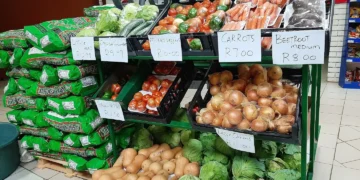
Township spaza shops, small retail outlets, salons, and micro-manufacturers remain heavily cash dependent, often because their customers lack banking access or prefer cash transactions.
Although digital tools are slowly being adopted, many informal traders still operate primarily in physical currency. Even as informal traders rely on cash, larger retail stores and SMEs are increasingly integrating digital payment options to complement cash handling. Point of sale systems, mobile payment platforms, and real time reconciliation tools help reduce errors, improve operational efficiency, and enhance financial planning.
Breedt summed up the importance of structured cash management.
“Businesses should limit holding excess amount of cash on-site as far as possible, schedule regular banking of cash deposits, and use secure banking channels to reduce risk,” he said.
Azwi@vutivibusiness.co.za