































South African consumers are facing rising meat and dairy prices as the country deals with an ongoing outbreak of foot-and-mouth disease (FMD) in cattle. The disease has disrupted production, halted livestock sales, and threatens food security.
According to Statistics South Africa, meat prices in urban areas rose 12.6% in December 2025 compared to the same month a year earlier. This is the fastest increase since January 2018, when meat inflation stood at 13.4%. Beef is the main contributor, while mutton and pork prices also climbed sharply.
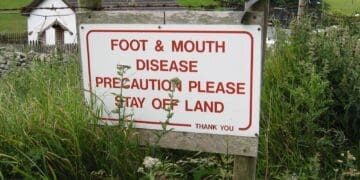
FMD affects cloven-hoofed animals and causes painful blisters on the feet and mouth. The outbreak has been difficult to control due to vaccine shortages and poorly regulated animal movement. In 2025, major feedlots were forced into quarantine, and live cattle auctions were temporarily closed.
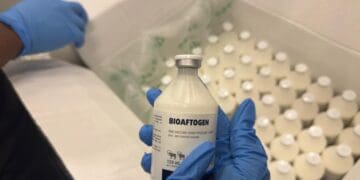
The Minister of Agriculture John Steenhuisen has announced plans to import vaccines from Argentina, Turkey, and Botswana, and is seeking to declare the outbreak a national state of disaster. A 10-year plan for livestock disease management and biosecurity is also underway.
Farmers have suffered significant losses. Kwanalu Vice-President Angus Williamson highlighted the scale.
“The losses are each in the millions, and some dairy farmers have lost between six and eight million rands. That is monstrous.”
“With the new wave of foot-and-mouth, some beef farmers have lost up to 2 250 calves from tiger heart syndrome, a secondary infection caused by FMD. Calves under three months literally have a massive heart attack and die. You can increase minerals or vaccinate, but losses continue.”
“I’ve known a farmer in the Free State who lost over 2 250 calves about 2.8 million rands in lost calves that cannot be sold.”
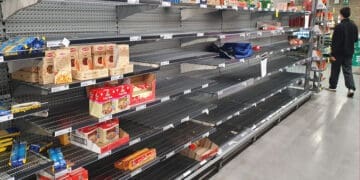
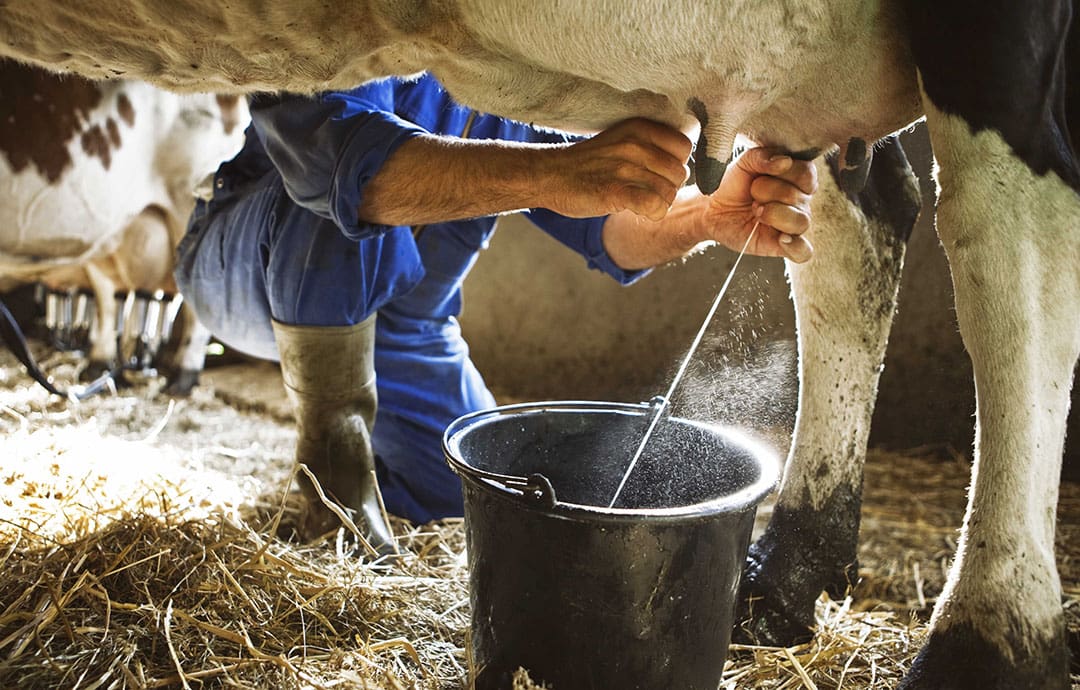
Williamson also explained the projected impact on consumers, “The price of red meat is going to go up. Milk will become more scarce. You cannot expect production to drop 30 to 40 percent on the milk side without affecting dairy products. Red meat is going to become more scarce.”
“We cannot sell animals because sales have closed due to FMD and biosecurity. Meat will become expensive. Until the government changes protocols and legislation, farmers are financially constrained for the next 12 to 18 months.”
“I have FMD on my farm and am under quarantine, I cannot sell cattle until vaccination comes in. There’s a lot of scepticism about the vaccine outbreaks can still occur three months after vaccination.”
“Government must start listening and reacting to organised agriculture. For too long, they haven’t acted on our advice.”
Piet van Rensburg, a dairy farmer from Howick, KwaZulu-Natal, said,
“This FMD outbreak is destroying our farm. Milk production has dropped a lot, and we cannot sell our cows because of quarantine rules. Every day we lose more money, and the uncertainty is very stressful. Costs are going up feed, electricity, and medical care for sick animals and our staff are exhausted”
“We’ve already lost millions, and there is no clear plan from authorities about when vaccines will arrive or if they will work. Prices for milk and meat will keep rising, but farmers like us are left to deal with all the losses. It’s frustrating and worrying, we need urgent action to save our farms and the food supply.”
The FMD outbreak underscores the urgent need for coordinated government action, effective vaccination strategies, and practical support for farmers to stabilise production and protect South Africa’s food supply.
“We are working with government and industry to secure vaccines, open safe markets for affected livestock, and lift restrictive regulations. We are also pushing for clear timelines, better communication, and practical support that reflects the realities farmers face on their farms,” said Sandy La Marque, Chief Executive Officer for Kwanala.