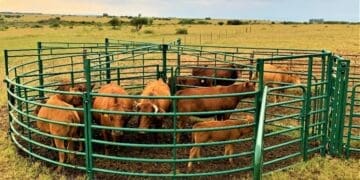




























Small livestock farmers in several provinces say ongoing foot-and-mouth disease controls are continuing to erode their income, weeks after the festive season demand that many rely on to stabilise their finances has passed.
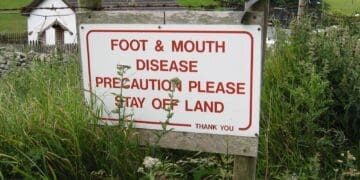
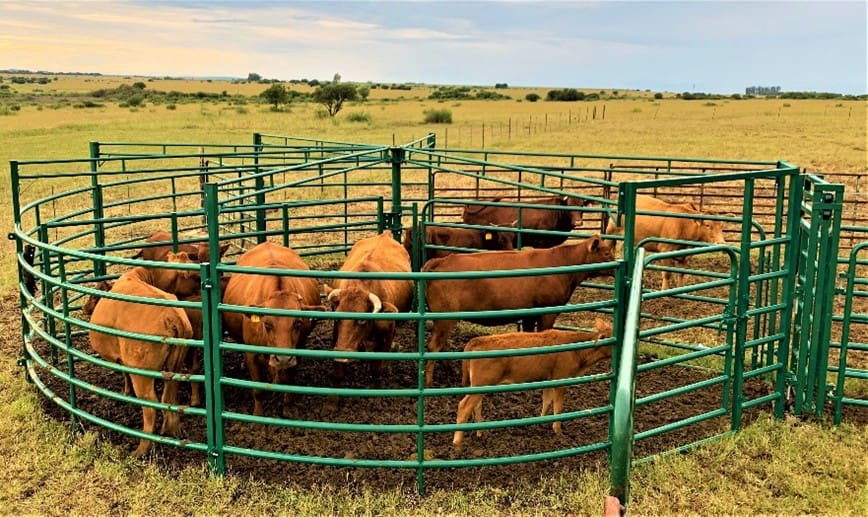
While containment measures have slowed the spread of the disease, movement restrictions on cattle remain in place in parts of the Eastern Cape, KwaZulu-Natal and Limpopo, limiting farmers’ ability to sell animals through formal channels such as auctions, feedlots and abattoirs. For emerging producers, the disruption has extended well into January, a period that is typically marked by weaker cash flow.
Eastern Cape cattle farmer Sipho Madikane said the restrictions prevented him from meeting demand during peak ceremonial and festive trading.
“December is when families usually buy livestock for weddings, rituals and year-end gatherings,” he said. “This year I could not move my cattle at all. Now those sales are gone, but the costs remain.”
Madikane said holding animals for longer than planned has increased feed and care expenses, while prices in permitted zones have softened due to oversupply.
“You cannot pause feeding because the market is closed,” he said. “For small farmers, that is where the losses become serious.”
Provincial veterinary services say movement controls remain necessary to prevent further outbreaks. Dr Nomsa Khumalo from the KwaZulu-Natal Department of Agriculture said restrictions are based on surveillance data and risk assessments.
“Relaxing controls too early would increase the risk of wider spread and prolong the disruption for the entire sector,” she said, adding that vaccination and monitoring programmes remain active in affected areas.
The financial impact is uneven across the livestock industry. Agri-economist Wandile Sihlobo said emerging farmers are carrying the heaviest burden.
“Small livestock producers rely on open market access and seasonal demand,” he said. “They generally do not have insurance, feed reserves, cold storage or long-term off-take contracts. When movement is restricted, they absorb the full shock.”
Sihlobo warned that delayed market access can have lasting effects even after restrictions are lifted.
“Extended holding periods affect animal condition and pricing. Farmers may not recover full value when sales resume,” he said.
Limpopo-based farmer Thabang Mokoena said the restrictions have also disrupted cultural and social economies that depend on livestock availability.
“People still need cattle, but they cannot access them legally, and farmers cannot supply them,” he said. “That breaks confidence on both sides.”
The government has previously indicated that compensation mechanisms exist during major disease outbreaks, but farmer organisations say many smallholders struggle to access relief. Emerging farmers often fall outside formal criteria because they operate informally or lack the documentation required to claim losses.
As a result, many small producers are now focused on managing costs rather than rebuilding herds or expanding operations. With movement controls still shaping trade conditions, farmers say clearer timelines and targeted support will be critical to preventing deeper financial damage in the months ahead.
lazola@vutivibusiness.co.za