
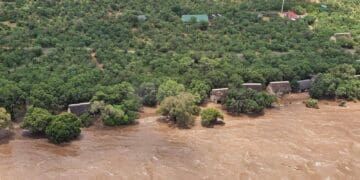



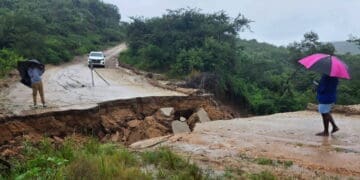




































The recent floods in Limpopo have left many small and informal businesses struggling. Heavy rainfall damaged roads, trading areas, and supply routes, causing disrupted operations, lost income, and rising recovery costs.
While early reports focused on emergency response, infrastructure damage, and the impact on tourism and agriculture, business owners now warn that the longer-term effects could threaten their ability to stay open.
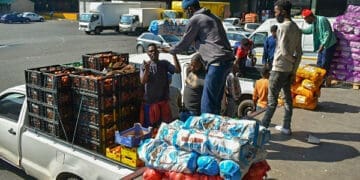
The floods brought business to a standstill for traders who rely on daily sales like Masindi Munyai, who sells fruit and vegetables at the Tshakhuma taxi rank near Thohoyandou.
“I lost a lot of fruit and vegetables because I could not go to the taxi rank. All my fresh stock spoiled,” Munyai said, adding that the disruption resulted in the loss of nearly all her trading stock.
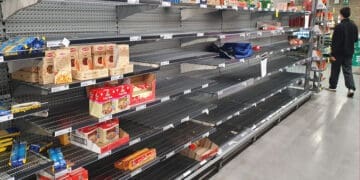
In Mahamatshena, supply chain disruptions affected small retail outlets that rely on regular deliveries.
Elvis Nesindande, who owns a spaza shop, said suppliers were unable to reach his business for several days following the floods.
“Cold drink deliveries stopped completely, and suppliers only started delivering again on January 28,” Nesindande said. “Even bread was affected because bakeries could not reach us.”
The delivery delays reduced customer traffic and sales, highlighting the vulnerability of small retailers to infrastructure damage and transport disruptions.
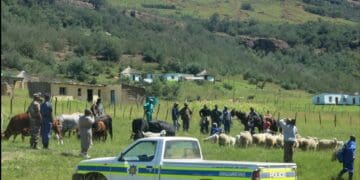
Small-scale farmers also faced mounting challenges. Derrick Makhubela said the impact extended beyond immediate livestock losses.
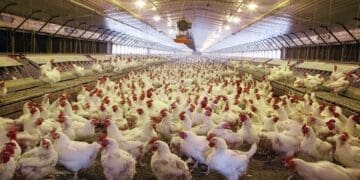
“The floods resulted in the loss of livestock, with many chickens dying, while cows and goats were affected by diseases because it was not possible to immunise them during the heavy rains,” Makhubela said.
“Our buffalo grass, lucerne, and planted seeds were washed away. This means there will not be enough feed during winter,” he added.
Transport disruptions further compounded the slowdown in economic activity.
Lutendo Mandinda, a taxi driver who travels between Dzwerani and Thohoyandou, said damaged roads forced drivers to suspend operations during heavy rainfall.
“We had to wait for the rain to stop, and when we could operate, we used longer routes, which increased transport costs. Passenger numbers were also lower because schools were closed and many businesses were not operating,” Mandinda said.
The reduced movement of people and goods limited economic activity and affected businesses that rely on daily foot traffic.
Tourism businesses were also hit hard. Dalavhuredzi Resort in Vhembe said in a statement that the floods damaged pools, walkways, and visitor areas, forcing temporary closures.
“Both the top section pools and riverside pools were affected. The stage and walkway at one of the pools were damaged and need renovation,” the statement said.
“Visitor numbers dropped significantly during the floods. Even though the waterfalls and pools are now open, we are still repairing areas to ensure safety for all guests,” it added.
Although disaster relief mechanisms exist for qualifying enterprises, informal businesses often fall outside these programmes due to lack of registration, tax compliance, or insurance. This leaves owners to manage losses on their own.
Business owners say the immediate priority is to secure trading areas, protect stock from further damage, and maintain supply lines wherever possible. Keeping records of losses, receipts, and photos of flood damage may help them apply for government assistance once eligibility rules are clarified.
With infrastructure repairs still underway, owners warn that without faster road repairs and clearer access to support, many informal enterprises may find it difficult to fully recover from the impact of the floods.