

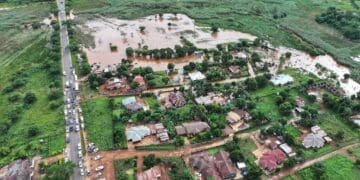
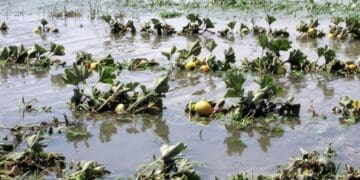
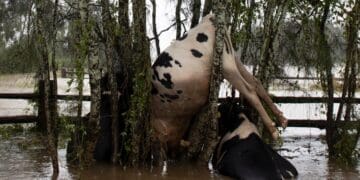



















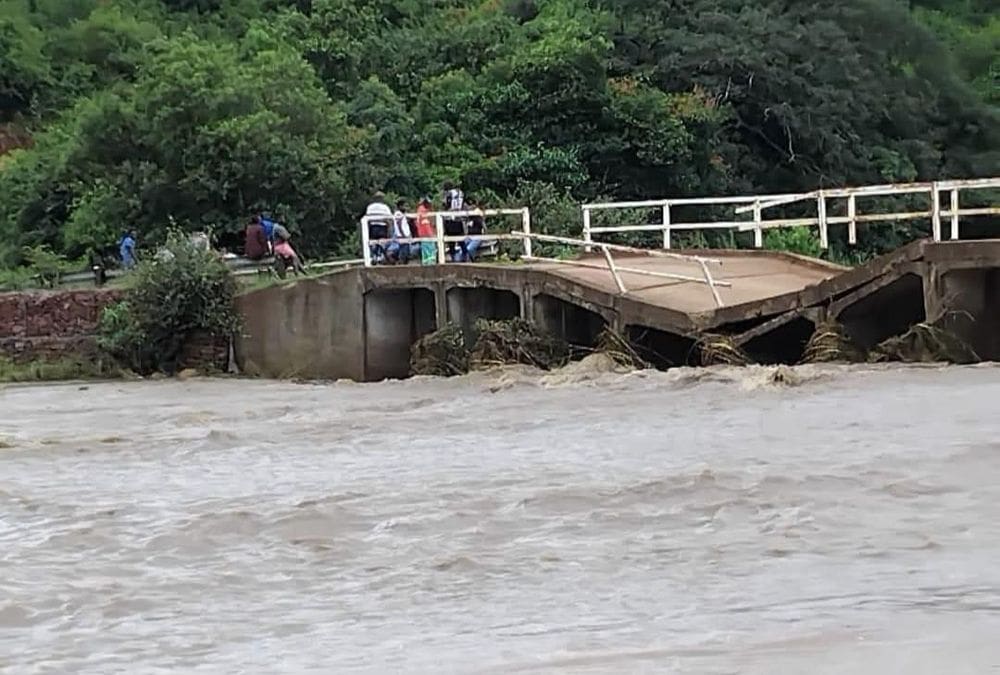
Businesses across the tourism value chain are calling for urgent and targeted intervention to prevent permanent closures and job losses after infrastructure damage caused by floods led to major disruptions.
“Urgent financial relief would make the biggest difference. Grants or low-interest recovery loans, temporary relief on municipal rates and tax obligations, and faster infrastructure repairs are critical to keeping businesses afloat,” said Adri Kruger, owner of Tzaneen Country Lodge and chairperson of the Greater Tzaneen Tourism Association.
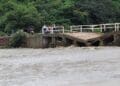
Tourism businesses across Limpopo and Mpumalanga are struggling to regain their footing after recent floods damaged critical infrastructure, leaving many SMEs facing acute cash-flow pressure.
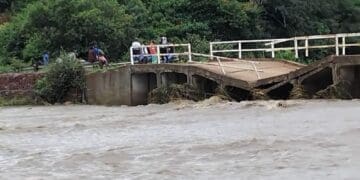
“The floods have had an immediate and severe impact on our operations. Several access roads to lodges, guesthouses, and attractions were damaged or completely washed away, making it difficult, if not impossible, for guests to reach many of us,” Kruger said.
“Occupancy rates dropped sharply during what should have been a stable period, and day-tour operators and activity providers lost income almost overnight. For many SMEs, revenue losses over just a few weeks have already exceeded what they can realistically absorb without external support,” she said.
Independent operators have been equally affected. Limpopo-based provincial tourist guide Gedion Mokwena said access restrictions at major entry points, such as Crocodile Bridge and Pafuri, disrupted movement to popular tourism nodes, including Skukuza and Lower Sabie, leading to tour cancellations and income losses.
In Mpumalanga, closures along the Panorama Route brought tourism activity to a near standstill. Tlhookomelo Mashile, founding director of SURVYMASH, which operates SURVYMASH Travel and Shuttles and the Three Rondavels Coffee Shop at the Blyde River Canyon Nature Reserve, said the business was unable to trade for three weeks after access to major attractions was closed due to safety concerns.
“All access points to the Panorama Route attractions were closed, including the Three Rondavels and Blyde River Canyon viewpoints,” Mashile said. “This resulted in zero foot traffic, cancelled tours, and lost bookings, which meant a complete halt in revenue while fixed costs continued.”
“Many of our employees rely solely on tourism income. Prolonged closures put both businesses and livelihoods at risk, and even as areas reopen, damaged roads increase travel time and operating costs,” he said.
FEDHASA Inland chairperson Gustav Pieterse said accommodation providers and hospitality SMEs experienced what he described as “heartbreaking disruption.”
“Some establishments suffered property damage, others lost access due to washed-out roads, and many faced sudden cancellations,” Pieterse said. “The biggest challenges now are damaged infrastructure, reduced bookings, cash-flow strain, displaced staff, and delays with insurance claims.”
Despite the setbacks, Pieterse said the resilience of businesses and communities has been evident. “Our members continue pushing forward with determination and care for their people and their guests,” he told Vutivi Business News.
Gavin Ferreira, concession general manager at Kruger Shalati, said tourism in Limpopo and Mpumalanga declined sharply during the crucial holiday trading period following floods that began in late December and extended into early January 2026.
“Between 9 January and 19 January, the Kruger National Park recorded a 41% decline in guest entries compared to the same period last year,” Ferreira said. “This is a clear indicator of lost tourism demand linked to flooding, restricted access, and uncertainty following disaster management reports.”