






































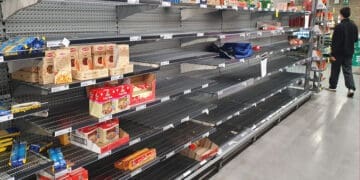
Livestock stokvels are gaining momentum as an alternative savings model that converts small monthly contributions into guaranteed food security, as many South African households face increasing pressure from rising food prices.
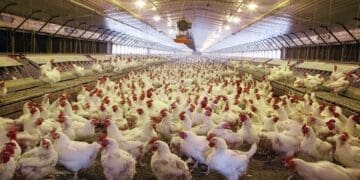
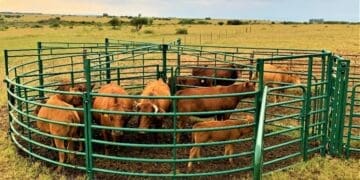
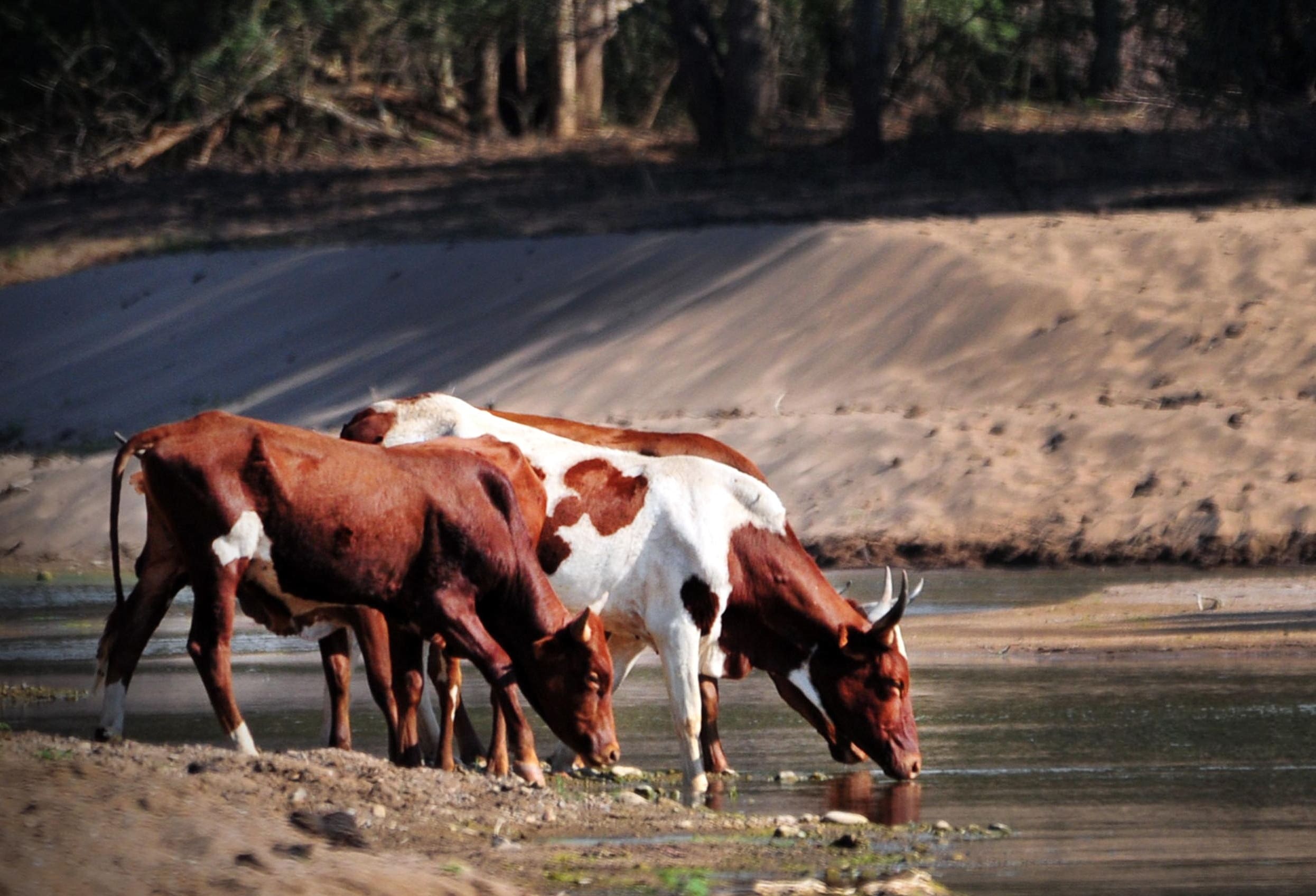
Unlike traditional cash stokvels, livestock stokvels allow members to save towards chickens, sheep or goats, and cattle. The approach reduces exposure to retail price fluctuations and enables households to secure meat through collective buying power.
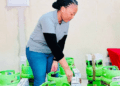
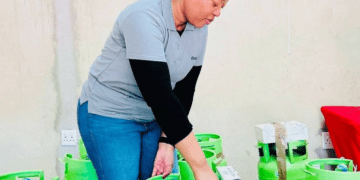
In Jane Furse, Limpopo, one such stokvel operation offers three stokvel options that offer either chicken, sheep, goats, or cattle. Members contribute fixed monthly amounts over 11 months and receive livestock that is slaughtered and prepared for collection.
According to stokvel organiser Ephraim Matlala, the system benefits both households and local producers.
“We are selling chickens and livestock throughout the year. While the stokvels help members reduce the pressure of buying meat, they also support our yearly sales targets,” he said.
Since its introduction in 2023, membership in the chicken stokvel has grown to more than 100 members, with an expansion target of 150 members in 2026. The cattle stokvel, launched in 2025, serviced 17 groups, while the sheep and goat stokvel has attracted over 20 contributors in its first year.
The growing uptake reflects broader household strategies to smooth expenses across the year instead of relying on once-off large purchases.
Nthabiseng Gouws, a financial advisor from Ga-Moretsele village, says she joined after struggling to afford meat for her extended family.
“Every year I used to spend about R3 000 on meat for three households, and it was still not enough,” she said.
By contributing monthly, Gouws now receives both chicken and beef, which allows her household to go several months without purchasing meat.
“My freezer is still full from what I received. That means I don’t need to buy meat for about three months,” she said.
Another member, Paseka Mosehla, says the stokvel has improved her cost control. “
Contributing monthly spreads the cost and protects me from high shop prices. It also helps me avoid using loans or credit,” she said.
Beyond household benefits, livestock stokvels are creating small-scale local supply chains that involve farmers, transporters, and slaughter services. This positions stokvels not only as savings clubs but also as micro-distribution channels within the informal economy.
Matlala says affordability remains the model’s biggest strength.“People pay in instalments instead of paying a large amount at once. That makes it accessible to many families,” he said.
basetsana@vutivibusiness.co.za