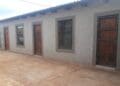
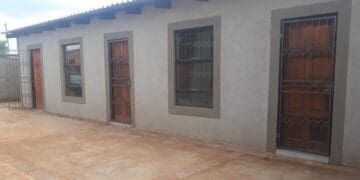








































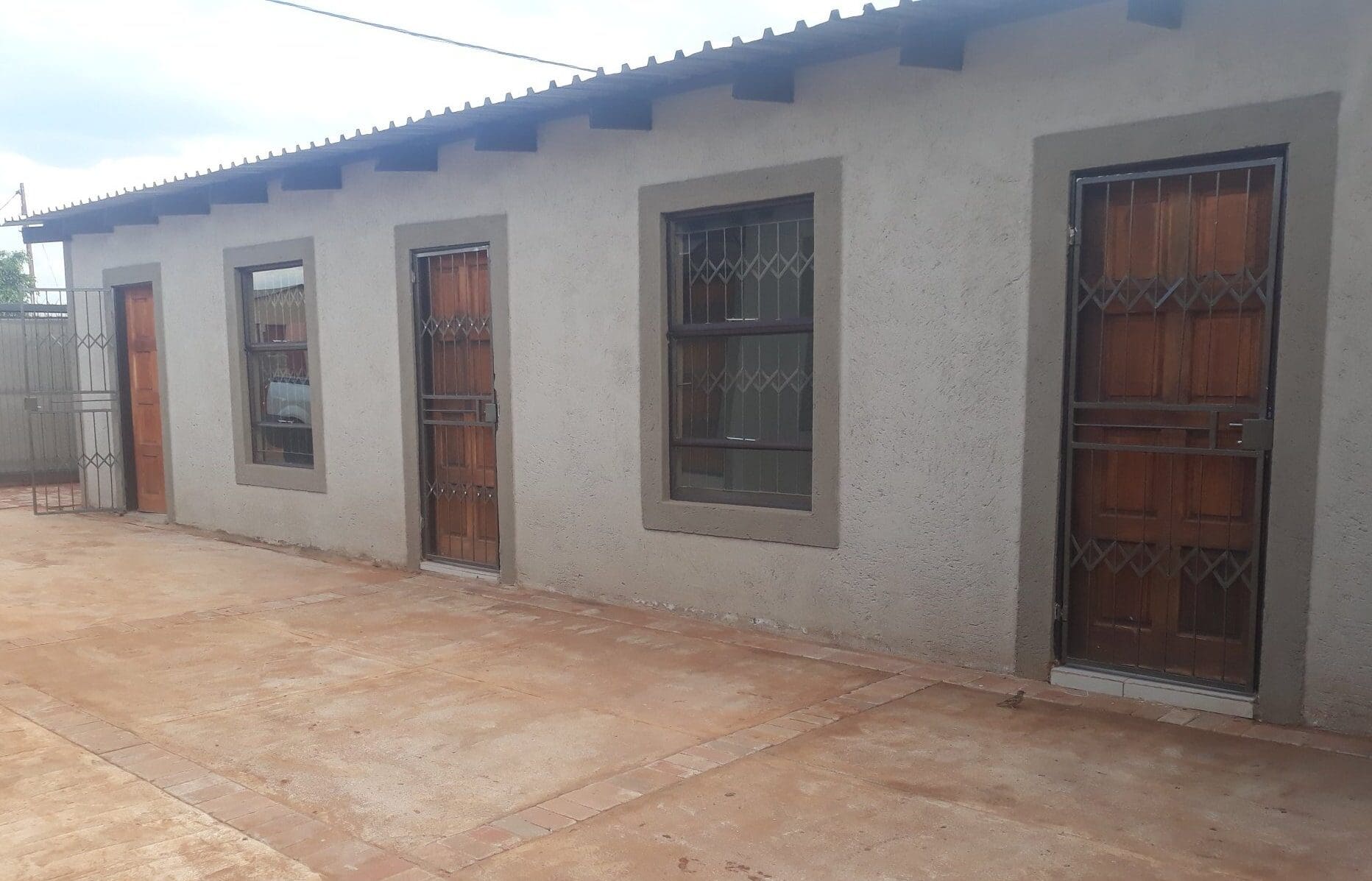
Small property owners in Soshanguve, north of Pretoria, are making steady income by renting out rooms to students who are not funded by the National Student Financial Aid Scheme (NSFAS). Many of these students are studying advanced diplomas, honours, master’s degrees, and other postgraduate qualifications at nearby institutions such as Tshwane University of Technology (TUT).
Because NSFAS mainly supports undergraduate students, many postgraduates and unfunded students struggle to find accommodation. University residences are often full, and private accommodation close to campus can be too expensive. This has created an opportunity for local homeowners in Soshanguve to convert spare rooms into affordable student accommodation.
Rental prices in the area start from as low as R750 per month for shared rooms, while single rooms cost up to R2 500 per month. These prices are lower than those of many private student accommodations around Pretoria, making Soshanguve an attractive option for students trying to manage limited budgets.
Many property owners do more than just offer rooms. They also assist students from other provinces who need time to resolve registration issues at TUT and other nearby institutions. Some students arrive in Pretoria hoping their funding problems will be resolved, but while waiting, they still need a place to stay.
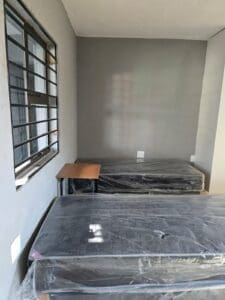
One of the property owners benefiting from this demand is George Mhlanga, who owns a house in Block H, Soshanguve, close to Tshwane University of Technology. His property currently accommodates more than six students.
Mhlanga says renting to students has helped him support his household while also helping young people continue their studies.
“Many of these students are not funded, but they still want to study and build their future,” said Mhlanga. “I try to charge them less, and we can negotiate if a student is struggling.”
His property offers Wi-Fi, a shower, and a clean environment, which he believes are important for students to focus on their studies.
“Students need a quiet and clean place. I make sure the house is safe and suitable for studying,” he added.
For students, accommodation like this can be the difference between continuing with their education and dropping out. Zosuliwe Botomane, a third-year student from the Eastern Cape, says she struggled to secure accommodation after NSFAS did not fund her.
“I could not get a place at residence because I was not NSFAS funded,” Botomane said. “I was stressed because I didn’t know where I would stay.”
She says finding affordable accommodation in Soshanguve helped her stay close to campus while she continued attending classes.
“Places like this really help students like me. The rent is affordable, and I can still travel easily to campus,” she said. Botomane is currently completing her third year and hopes to continue with her studies despite the financial challenges.
Local property owners say the growing number of postgraduate students will continue to increase demand for affordable housing in areas like Soshanguve. With universities expanding postgraduate programmes, more students are expected to look for alternatives outside official residences.
At the same time, these small rental businesses are helping local families generate income in a tough economy. For many homeowners, student rentals have become a reliable source of monthly earnings.
As long as funding challenges remain, community-based accommodation in areas near universities is likely to play a key role in supporting students while boosting local livelihoods.
siphosethu@vutivibusiness.co.za