

















































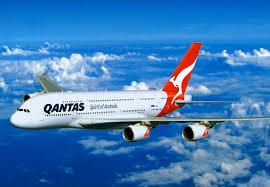
The launch of Qantas Airways’ new direct flight between Johannesburg and Perth is expected to unlock fresh growth opportunities for South Africa’s tourism sector, particularly for SMEs seeking access to the Australian and wider Oceania markets.
Tourism Minister Patricia de Lille described the route as a strategic boost to tourism, trade, and people-to-people relations between South Africa and Australia. Speaking at the launch event in Johannesburg, De Lille said the service represents more than expanded airlift, positioning South Africa as a more accessible long-haul destination while strengthening two-way travel for business, leisure, and events tourism.
“This is not just a new connection on a route map; it is a bridge between two nations and two tourism markets with enormous potential,” De Lille said.
She added that improved air connectivity remains a core pillar of the Tourism Growth Partnership Plan 2025–2029.
Industry players say the route has already strengthened confidence among tourism SMEs preparing for increased international demand ahead of major events such as Meetings Africa 2026 and Africa’s Travel Indaba 2026.
Mfundo Ngcangca, CEO of Shepherd Tourism Tours in the Free State, said the direct link to Perth improves travel convenience for South Africans and enhances South Africa’s appeal to international visitors, including those travelling for meetings, incentives, conferences, and exhibitions (MICE).
“The expansion of air connectivity is fundamental to unlocking the next era of tourism growth and investment,” Ngcangca told Vutivi Business News.
He added that his business is preparing for 2026 by developing township walking tours, cultural food experiences, safari packages, and educational offerings aimed at international travellers.
Ngcangca stressed that SMEs require coordinated support to fully benefit from expanded airlift, including incubation, mentorship, improved stakeholder collaboration, and sustainability support.
“All these challenges will be solved once we stop working in silos,” he said.
In Limpopo, independent provincial tourist guide Gedion Mokwena described the route as a game-changer for the province’s tourism industry. He said easier access from Australia and New Zealand could boost interest in flagship attractions such as Mapungubwe National Park, the Kruger National Park, and Limpopo’s cultural and heritage tourism offerings.
“This route supports both leisure travel and MICE opportunities linked to major industry events in 2026,” Mokwena said. He added that Limpopo Tourism Agency is supporting SMEs, particularly women- and youth-owned businesses, by strengthening marketing, product development, and promoting festivals such as the Limpopo Marula Festival and the Mapungubwe Cultural and Heritage Festival.
However, Mokwena noted that further support is needed in international marketing, capacity building for guides, and infrastructure development to improve visitor experiences.
Echoing these views, Adri Kruger, owner of Tzaneen Country Lodge and chairperson of the Greater Tzaneen Tourism Association, said the Johannesburg–Perth service enhances South Africa’s competitiveness as a long-haul destination, especially for nature-based, heritage, and wellness tourism.
“For tourism SMEs outside major gateways, improved air access creates renewed exposure to the Australian and broader Oceania markets,” Kruger said. She added that her business is refining its international marketing readiness and developing smaller, high-value MICE offerings tailored to travellers seeking authentic, off-the-beaten-path experiences.
Kruger emphasised that inclusive growth will depend on targeted support for SMEs, including access to international marketing platforms, skills development aligned to global standards, and stronger partnerships with airlines, tour operators, and destination marketing organisations.
Aviation data shows international seat capacity has increased by 9.1% compared to 2024, with arrivals from Australia now nearly 30% higher year-on-year and above pre-pandemic levels.
The Department of Tourism believes this momentum, supported by expanded air connectivity, positions South Africa to attract new markets while ensuring broader participation across the tourism value chain.
As South Africa prepares to host major global events, including the ICC Men’s Cricket World Cup in 2027, tourism stakeholders agree that the success of new air routes will ultimately be measured by how effectively SMEs are integrated into emerging opportunities.