















































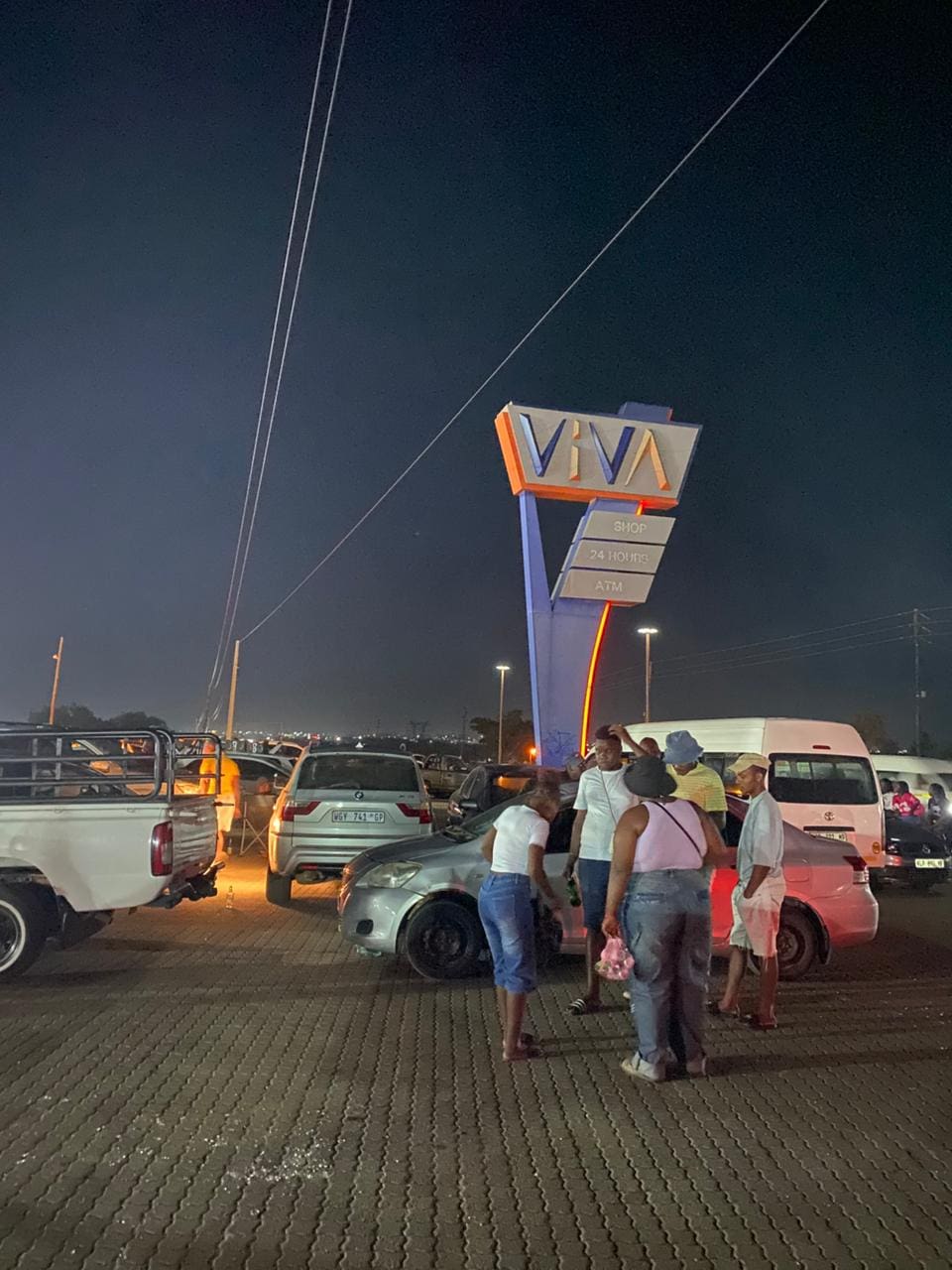
By day, it is an ordinary township petrol garage — a place for refuelling cars, buying airtime and grabbing a cold drink. But by Friday night, the space transforms. Fuel pumps become meeting points, car parks turn into dance floors, and local DJs take over the sound system. What was once a quiet commercial space has become one of the township’s busiest weekend grooving spots.
Across several townships, entrepreneurs are repurposing underused commercial spaces to meet the growing demand for affordable, local entertainment. In the process, they are creating a new kind of nightlife economy — one powered by DJs, food vendors, security guards, car washers and informal traders.

The idea started simply as weekend music sessions to attract customers to the garage’s convenience store. But as crowds grew, so did the opportunity. Local DJs were booked, food stalls popped up, and car guards began earning tips. Entry remained free or low-cost, making the space accessible to young people who cannot afford mainstream clubs.
On a busy night, dozens of cars line the street, while vendors sell grilled meat, alcohol, soft drinks and snacks. For many traders, weekends at the garage mean real income.
Informal trader Thabiso Nkosi said this event keeps them busy “I sell braai meat here every Saturday. If it’s busy, I can make more than I do the whole week.”
DJs also benefit.
“Other gigs are not paying us, but here I get exposure and something more in my pocket,” says local DJ Sbu “MixMaster” Mthembu.
This kind of setup is becoming more common in townships where formal entertainment infrastructure is limited. Spaces like car washes, shisanyamas and now petrol garages are being adapted into social hubs.
Lerato Khumalo, a street vendor, said this reflects both creativity and necessity.
“Township entrepreneurs are responding to unmet demand; people want entertainment close to home, and at prices they can afford,” says Mthembu.
The model generates multiple income streams, ranging from parking fees to food sales, without the high costs associated with running a formal nightclub. But the growth of these spaces raises serious concerns. Alcohol is often sold informally, crowd control can be inconsistent, and noise complaints are common. Safety risks increase when large crowds gather near fuel storage areas.
Local authorities say regulation has not kept pace with these innovations. “Petrol stations are not zoned for nightlife; there are serious safety and compliance issues that need to be addressed,” said a municipal official
Residents are divided. Some welcome the energy and business activity, while others complain about noise, traffic and late-night disturbances.
“We support business, but it gets too loud; sometimes it feels unsafe, as we hear people fighting near our houses,” remarked one resident.
For now, the petrol garage groove represents both opportunity and risk. It shows how township entrepreneurs are creating livelihoods where formal systems fall short, but also how easily success can collide with regulation.
Without clearer guidelines, these spaces operate in a grey area: tolerated, popular, but vulnerable to shutdowns.