








































Overview
The 2025 business year in South Africa was shaped by persistent cost pressures, cautious consumer spending and an uneven recovery, particularly within the SME sector. Across townships, rural economies and urban markets, small and medium enterprises navigated rising operating costs, mixed confidence levels and policy uncertainty. Despite these challenges, many adapted by using digital tools, exploring new revenue streams and relying on community support.
Small and medium enterprises, which account for about 91% of formal businesses, 60% of employment and roughly 34% of GDP, remained central to the economy. Government departments, state entities and private sector partners intensified efforts to support these businesses, with a focus on inclusive growth for township traders, rural entrepreneurs and micro-enterprises.
The year also marked a five-year milestone for Vutivi Business News, which has grown from a specialised publication into a recognised voice within business communities. Throughout 2025, Vutivi consistently reported on the challenges, innovations and successes shaping SMEs across South Africa.

Economic and business confidence landscape
While some economic indicators showed pockets of strength, overall business confidence remained fragile. The RMB/BER Business Confidence Index fell to 39 points in the third quarter, reflecting continued unease. SMEs were especially sensitive to policy uncertainty, with the postponement of the national budget speech unsettling more than half of surveyed small businesses.
Large-scale events such as Meetings Africa 2025 in Johannesburg, which hosted over 400 exhibitors from 26 countries, offered SMEs international exposure and partnership opportunities. Even so, confidence around growth prospects and access to finance declined, highlighting the fragile operating environment.
Medium-term budget reforms and funding programmes, including Absa and Heineken’s R1.2 billion fund for black-owned SMEs, provided some relief, although many businesses remained cautious about the year ahead.
Cost pressures and SME responses
Rising operating costs, including transport, utilities and raw materials, remained a core concern. A survey of more than 2,000 SMEs showed that 67% planned to raise prices by up to 10%, while only 38% believed they could survive beyond a year without external support.
As businesses prepared for 2026, responses varied. Some SMEs diversified their offerings, adopted technology or introduced new operating models, while others struggled with shrinking cash flow and weak demand. Vutivi’s coverage reflected this uneven reality, with many businesses already bracing for the post-festive slowdown.

SME confidence, policy and finance
Fiscal and political volatility further dampened SME confidence. A R75 billion revenue shortfall announced earlier in the year forced many enterprises to revise their plans.
Support from government and key institutions played an important role. The Department of Small Business Development rolled out funding, mentorship and capacity-building initiatives targeting township traders, informal businesses and rural entrepreneurs.
Other notable initiatives included:
- A JSE-led programme in Limpopo, in partnership with LEDET, LEDA and DSBD, which helped SMEs pitch to investors and improve funding readiness.
- SANParks and Sanlam interest-free loans in the Western Cape, enabling small businesses to fulfil contracts without upfront capital constraints.
- Budget 2025 reforms aimed at simplifying administration and improving access to finance.
- GBWCCI programmes promoting gender equity through networking, training and investment support for women entrepreneurs.
- Coverage of rising tax pressures and a proposed provincial licensing bill intended to ease regulatory barriers.
- Support measures that helped import-dependent SMEs manage exchange-rate losses.
Together, these efforts contributed to cautious optimism while underscoring persistent structural challenges.

SMEs in the informal economy and township markets
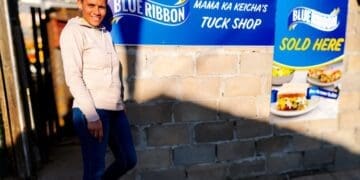
Township and informal enterprises continued to drive local commerce and employment. Many relied on WhatsApp, mobile payments and delivery services to maintain customer relationships.
Provincial campaigns to formalise spaza shops strengthened small retailers’ participation in the formal economy. Initiatives such as #YouthBizAtSoshanguveMall provided young entrepreneurs with pop-up retail space and marketing exposure, highlighting ongoing innovation in township markets.
Coastal and rural businesses benefited from targeted government programmes. The implementation of the Small-Scale Fisheries Policy and the Marine Living Resources Act supported fishing communities and improved market access for small-scale fishers.
Shifting consumer behaviour
Consumer spending in 2025 remained cautious. Retail activity rose 7% year-on-year in January, driven largely by essential goods, while discretionary spending stayed constrained. SMEs adjusted by planning for festive-season demand, particularly in beauty and personal services, while preparing for slower periods afterward.
Sector highlights
Retail:
Demand for essential goods increased, but competition remained intense. Large retailers such as Shoprite reported gains, while township and informal traders adjusted pricing, promotions and payment options. Youth-focused initiatives and spaza-shop formalisation programmes helped strengthen participation in the broader retail economy.
Services:
Households continued to prioritise affordable services, keeping hair salons, laundries and repair businesses steady. Many SMEs used mobile technology to manage bookings, payments and customer engagement, while adapting to seasonal demand cycles.
Agriculture:
Small-scale farmers remained vital to food security despite rising input and logistics costs. Mpumalanga’s R400 million blended finance facility supported formalisation and food safety, while seasonal activities such as mielie season created income opportunities for farmers and traders. Provincial support helped connect producers to markets and technical assistance.

Tourism and events:
Tourism SMEs benefited from expanded opportunities in 2025, driven by improved connectivity, digital engagement and major events:
•The launch of the Qantas Johannesburg route created new demand for local tour operators, accommodation providers and hospitality businesses.
• The Smart Tourism Visitor Centre at OR Tambo International Airport enhanced digital engagement and visibility for small tourism operators.
• The South Africa–Mozambique tourism agreement strengthened cross-border travel and regional tourism opportunities.
• Festive season demand supported accommodation providers, tour operators and cultural villages during peak trading periods.
• Participation in the G20 summit provided selected SMEs with international exposure and networking opportunities, while medical tourism emerged as a growing niche.
• Programmes such as the Eastern Cape SANParks incubation initiative offered training, mentorship and market access for tourism SMEs, particularly in coastal and rural areas, supporting sustainable tourism and the ocean economy.

Innovation and market access:
Technology adoption accelerated across sectors in 2025, becoming a key survival and growth tool for SMEs.
Businesses increasingly turned to digital payments, mobile financial services, AI tools and intelligent farming solutions to improve efficiency, manage costs and remain competitive in a difficult economic climate. These technologies were not only about automation, but about helping small businesses reach customers, streamline operations and respond faster to market changes.
Market access also improved through targeted platforms and partnerships. Proudly South African’s Shop Proudly SA and the Market Access Platform (MAP) helped bridge long-standing gaps by connecting SMEs directly to consumers and corporate buyers.
Renewable energy initiatives and touristic loan programmes further showed how businesses adapted their models to manage rising costs and operational constraints.
Innovation extended beyond technology-driven solutions.
Lindiwe Shibambo’s MAID4U mobile app stood out as an example of inclusive innovation, using technology to provide training, placements and protection for domestic workers while creating sustainable business opportunities.
At the same time, sector-specific stories highlighted both opportunity and constraint.

The craft beer industry continued to grow in demand, yet small brewers faced regulatory hurdles, funding gaps and limited access to mainstream markets. Despite these challenges, the sector contributed to job creation and localisation, reflecting resilience and untapped potential within niche SME industries.
Other innovation-led developments reinforced the evolving SME landscape.
Telecom-focused SMEs expanded digital connectivity in township areas, while Full World Growth accelerators supported emerging fashion and retail entrepreneurs through industry-specific programmes.
Funding remained a key talking point, with SMEs Express reopening its R250,000 funding opportunity, generating both excitement and concern over access and eligibility.
Initiatives such as SCOM Business Connects – Empower Up SMEs strengthened mentorship and networking, highlighting the growing importance of collaboration and support ecosystems.
Together, these developments underscored 2025 as a defining year in which innovation, technology adoption and improved market access became central to SME resilience and long-term sustainability.
Vutivi Business News’ success in 2025
In 2025, Vutivi Business News strengthened its position as a trusted platform for SMEs nationwide. Through consistent, on-the-ground reporting, the publication amplified the voices of township, rural and urban entrepreneurs. By covering funding opportunities, policy developments and market access initiatives, Vutivi connected small businesses to critical information and visibility, reinforcing its role as both an advocate and a resource for the SME sector.
Conclusion
The 2025 business year was defined by resilience, adaptation and gradual progress. SMEs across the economy weathered cost pressures, policy uncertainty and shifting consumer behaviour by innovating, adopting technology and leveraging support programmes.
Vutivi Business News’ reporting captured both the challenges and achievements of small businesses across finance, agriculture, tourism, technology and market access. As South Africa moves into 2026, the lessons of adaptability and resilience from this year will continue to shape SME growth.