












































As South Africa enters 2026, businesses especially small and medium enterprises (SMEs) are planning within a context of modest economic growth, ongoing structural reforms, and persistent cost pressures. According to the Organisation for Economic Co‑operation and Development (OECD), South Africa’s GDP is projected to grow by approximately 1.3% in 2026, supported by gradual improvements in electricity reliability, transport logistics, and regulatory efficiency long‑standing constraints on business productivity.
Standard Bank’s 2026 economic outlook also indicates increased predictability in macroeconomic conditions, underpinned by policy adjustments and infrastructure improvements that support business confidence.
In global economic discussions relevant to 2026, the International Monetary Fund (IMF) in a report prepared for G20 projects that economic growth across G20 economies will moderate to about 3.0% in 2026, reflecting a slower global expansion. This broader trend of subdued growth, especially among advanced economies, influences trade, investment flows, and business confidence worldwide
Macroeconomic conditions shaping 2026
According to the South African Reserve Bank, inflation entered the target range toward the end of 2025, creating room for a more stable interest rate environment in 2026. This easing has improved planning certainty for businesses, although borrowing costs remain elevated by historical standards.
National Treasury has indicated that fiscal consolidation remains a priority, with government focusing on stabilising debt levels, improving revenue collection and strengthening state institutions. While this limits large-scale stimulus, it signals policy stability, which is a critical factor for business confidence.
According to the Organisation for Economic Co-operation and Development, global growth in 2026 is expected to remain moderate, with emerging markets facing uneven recovery. For South Africa, this global context reinforces the need for export competitiveness, productivity gains and support for domestic enterprise development.
SMEs at the centre of economic recovery
Small and medium enterprises continue to account for the majority of businesses and a significant share of employment in South Africa. According to the Department of Small Business Development, strengthening this sector remains a national priority due to its role in job creation, innovation and local economic resilience.
According to Standard Bank’s Small Business Confidence Index, enterprises that have invested in financial planning, digital tools and customer retention strategies show stronger survival prospects compared to those reliant on single revenue sources.
Finance access and institutional support
Access to finance remains one of the most critical challenges for small businesses. According to Standard Bank , 2026 will see increased emphasis on blended finance models that combine commercial lending with development funding.
Government-linked institutions such as the Small Enterprise Finance Agency and the Industrial Development Corporation continue to prioritise funding aligned with productive sectors, localisation and job creation. These institutions have also expanded non-financial support, including mentorship and financial literacy programmes.
A 2025 academic study by Ellen Chenesai Rungani of North-West University, examining managerial support and business performance among small and medium enterprises in South Africa found that integrated support combining financial and non-financial elements such as business skills training and planning support is critical in addressing gaps in SME development and performance.
Digital transformation and market adaptation
Digital adoption remains a defining feature of business competitiveness in 2026. According to research by the World Bank and local academic institutions, small businesses that integrate digital payments, online marketing and data-driven decision-making improve customer reach and operational efficiency.
In township and rural economies, enterprises continue to leverage mobile technology, messaging platforms and e-commerce intermediaries to reach customers beyond their immediate locations. This shift has reduced dependency on foot traffic while strengthening resilience during economic fluctuations.
According to Standard Bank’s digital economy insights, digital readiness is no longer optional for small businesses, but a baseline requirement for sustainability in the current economic cycle.
Global context and the World Economic Forum
The World Economic Forum is an international organisation based in Geneva, Switzerland. Its Annual Meeting will take place in Davos-Klosters from 19 to 23 January 2026. The forum brings together global leaders from business, government and civil society to discuss economic growth, innovation and development priorities.
According to World Economic Forum research, small and medium enterprises play a vital role in employment creation, innovation and inclusive growth worldwide. The organisation highlights access to finance, digital capability and participation in value chains as key enablers for small business success.

This global perspective is relevant to South African enterprises in 2026, particularly as the country seeks to integrate local businesses into regional and international markets.
Sector focus areas in 2026
Retail and services remain driven by essential spending, with consumers prioritising value and affordability. According to government retail data, informal and township traders continue to play a critical role in local supply chains.
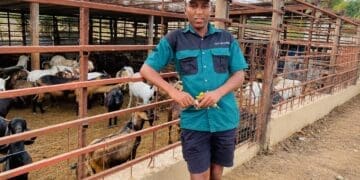
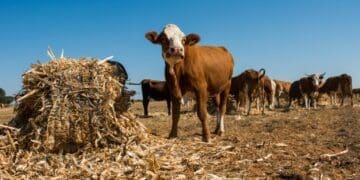
Agriculture remains vital to food security and employment, with small-scale farmers supported through blended finance, technical assistance and market access programmes implemented by provincial governments.
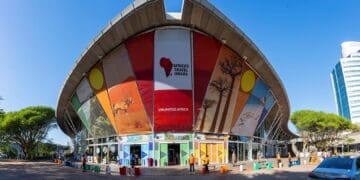
Tourism and events are expected to remain growth areas, supported by government destination marketing and infrastructure investment. Small enterprises in accommodation, transport and cultural tourism stand to benefit from sustained demand and regional travel recovery.
Conclusion
The business environment in 2026 reflects a period of cautious stability, strategic adjustment and opportunity for well-positioned enterprises. Small and medium businesses that prioritise financial discipline, digital adoption and market responsiveness are better placed to navigate ongoing uncertainty and contribute to inclusive economic growth.
basetsana@vutivibusiness.co.za