













































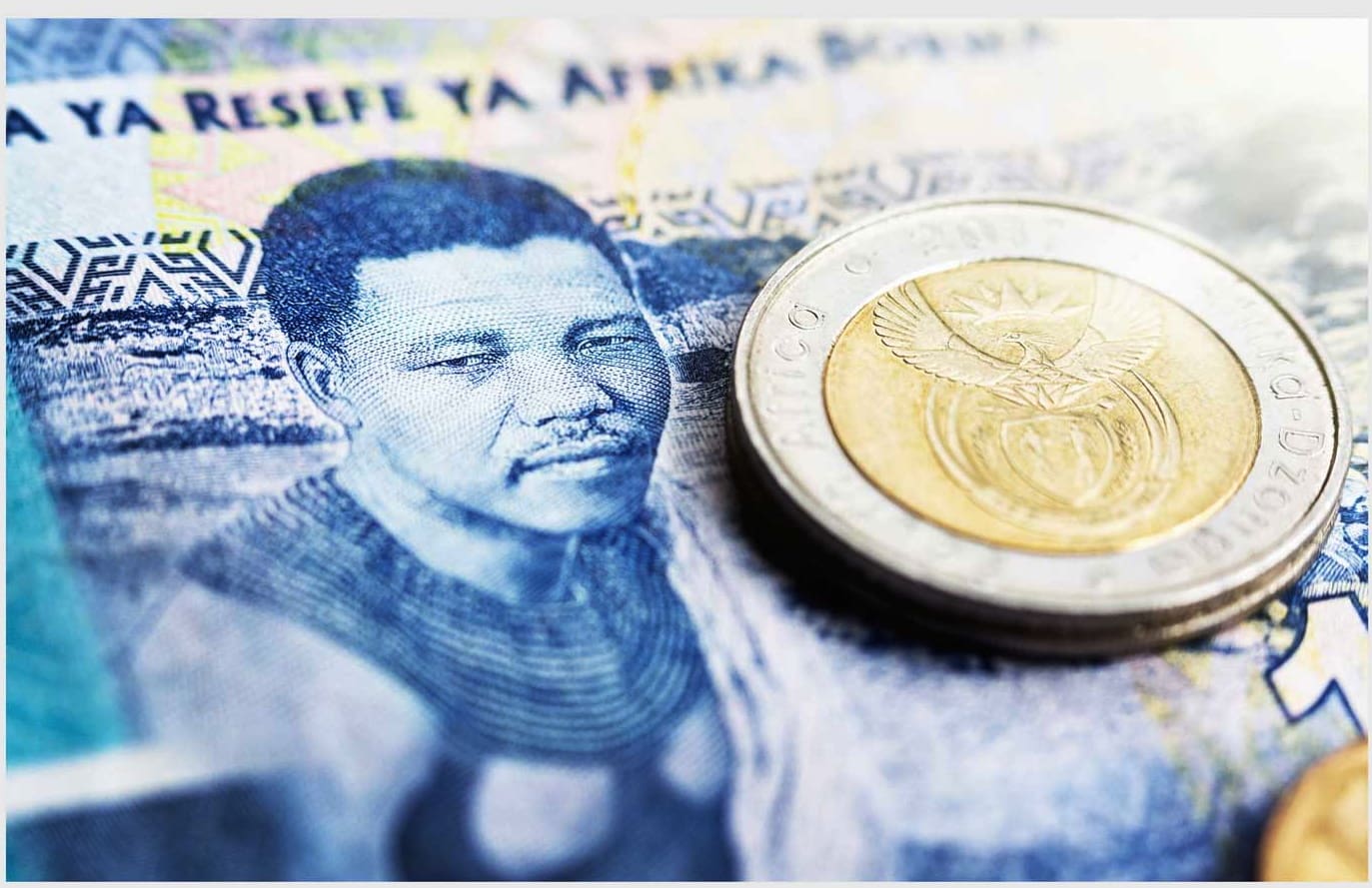
The national minimum wage will rise 5% to R30.23 per hour starting from March 1, surpassing the R30 mark for the first time. While the increase gives some relief to low-paid workers, it puts extra pressure on small and medium-sized enterprises (SMEs) to manage higher labour costs, staffing, and budgets.
The 5% increase is higher than the 4.7% expected by analysts and businesses. With prices rising and the economy growing slowly, SMEs face higher costs. High unemployment, 32%, or 42% including discouraged job seekers, makes it hard for small businesses to pay workers without risking jobs.
How higher wages are straining SMEs
Higher wages directly affect how businesses operate. Rising labour costs increase expenses, forcing owners to make tough decisions. Some may slow down hiring, reduce staff hours, or restructure operations, while others may rely less on lower-skilled workers. Over time, these changes can make it harder for entry-level workers to find jobs, putting extra pressure on SMEs already working with tight budgets.
“We want to pay our workers fairly, but food, electricity, and rent costs are also rising. The 5% increase will affect payroll. If revenue doesn’t rise, we may need to raise menu prices or cut staff hours,” said Ahmed Khan, who runs a small restaurant in Laudium.
Nearby, Sadam Mohammed, who lives in Laudium and runs a clothing shop in Marabastad, explained how the increase impacts retail operations.
“Paying staff more is necessary, but our shop already operates on thin margins. Stock, rent, and transport are expensive. The minimum wage rise will force us to rethink hiring and staff hours,” he said.
In Ha-Mashau in the Vhembe district, Limpopo, citrus farm owner Rendani Netshifhefhe hires extra workers during harvest season.
“Higher wages increase labour costs, but export prices don’t always rise at the same pace. Managing cash flow is becoming harder, especially when we need extra hands during peak periods.”
Rising costs for fuel, transport, and packaging further complicate operations for SMEs. Many businesses are now forced to balance paying workers fairly with keeping their businesses sustainable.
Agriculture and sectors under strain
According to AgriSA, South Africa’s largest farmers’ lobby group, the adjustment could put additional pressure on sectors that are already under strain.
“Agriculture is emerging from consecutive years of drought, climate volatility, and animal disease outbreaks,” the organisation said. “While parts of the sector are showing recovery in 2025, this recovery remains fragile and uneven.”
The national minimum wage was introduced in 2019 to reduce the pay gap in one of the world’s most unequal societies. While the increase is unlikely to dramatically improve living standards, it provides a basic level of protection for vulnerable workers, especially as households spend a large part of their income on food.
The Congress of South African Trade Unions (Cosatu) supports the increase. Parliamentary Coordinator Matthew Parks said “it will inject badly needed stimulus into the economy, spurring growth, sustaining and creating jobs.”
Strategies for SMEs to cope with higher wages
Experts say SMEs can cope with higher wages through better productivity, skills development, and careful financial planning. Government support, such as tax relief, simpler compliance rules, and access to affordable funding, can also help ease pressure. Flexible staffing methods, like Temporary Employment Services (TES), allow businesses to adjust their workforce according to demand. This helps protect jobs while keeping operations efficient.
Related links:
https://labourguide.co.za/employment-condition/a-snapshot-of-the-national-minimum-wage-for-2026