








































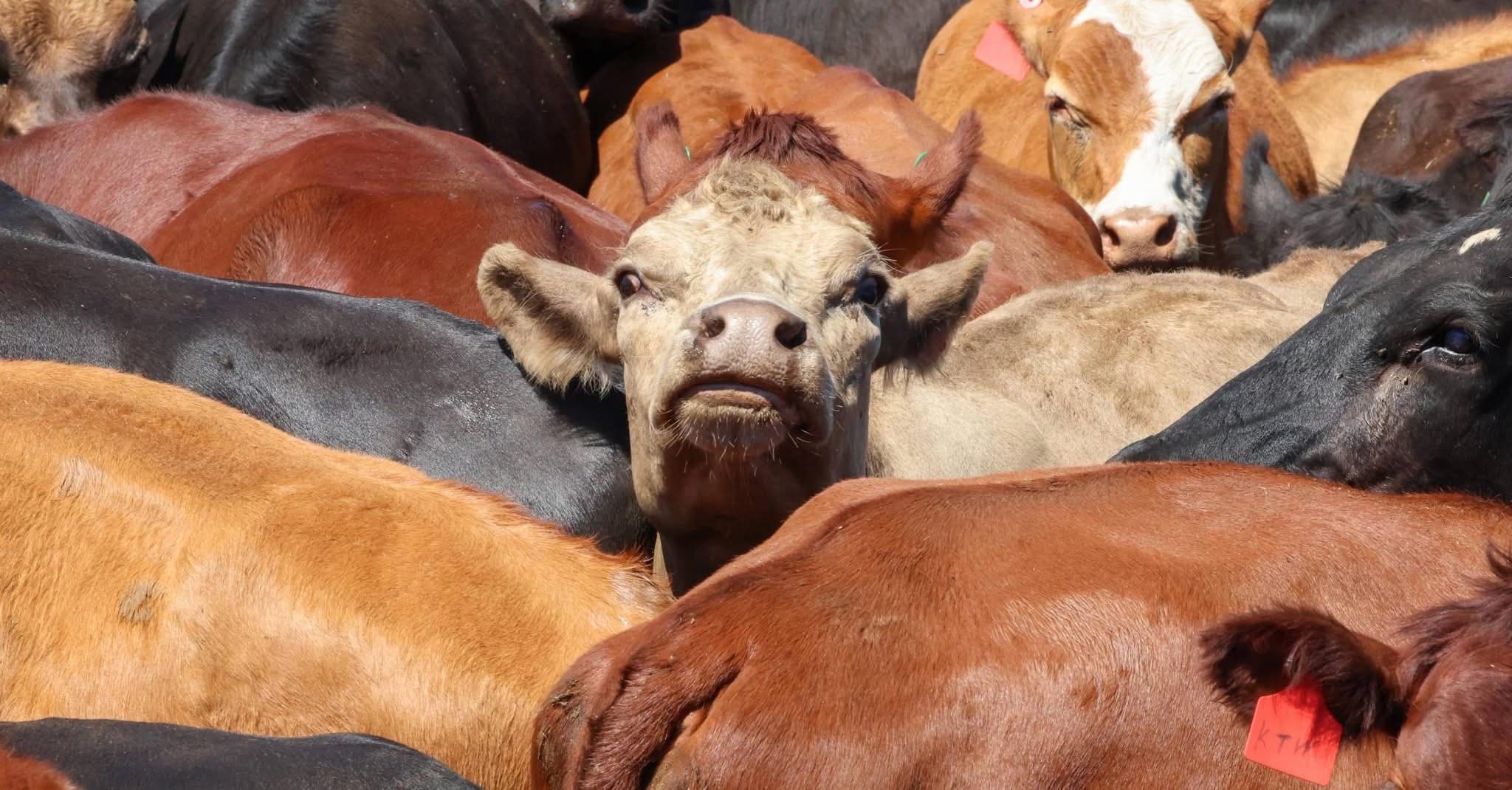
The suspension of meat and dairy exports is putting pressure on small farmers and businesses. Livestock and dairy farmers are now earning less because key markets are closed, while their costs are rising due to disease control and medicine expenses. The impact is also affecting small slaughterhouses, feed suppliers and transport businesses
South Africa’s livestock and export industry is under growing pressure as neighbouring countries suspend imports of meat, dairy and other livestock products following the rapid spread of foot-and-mouth disease (FMD).
The outbreak, now affecting all nine provinces, has been described by President Cyril Ramaphosa as “among the worst outbreaks the country has experienced.” Government has since declared a national disaster.
Zambia announced the immediate suspension of livestock import permits from South Africa.
“The ministry, through the veterinary services department, has, with immediate effect, suspended all livestock import permits from South Africa after the outbreak of FMD in that country,” said Benny Munyama, principal public relations officer at Zambia’s Ministry of Fisheries and Livestock.
The suspension includes cloven-hoofed animals, dairy products, hides, skins and livestock feed.
“We inform members of the public, farmers, and all our stakeholders that these precautionary measures will be reviewed depending on the progression of the FMD outbreak situation in South Africa,” Munyama added.
Botswana and Namibia have also tightened livestock import controls to protect their national herds.
Export losses deepen
South Africa’s beef exports fell 26% in 2025 despite strong global demand. Shipments to China declined by 69% to 1,687 tonnes after Beijing restricted red meat imports.
Industry body Red Meat Industry Services (RMIS) said export disruptions are placing severe strain on producers and the broader value chain.
Francois Rossouw, CEO of the Southern African Agri Initiative (Saai), warned that the financial damage goes beyond direct export losses.
“The R821 million export loss linked to the three major FMD waves since 2019 reflects only direct, measurable export revenue losses. It does not fully capture secondary impacts such as long-term loss of market share, cancelled supply contracts, price discounts imposed on South African products, or the knock-on effects across feedlots, abattoirs and logistics,” he said.
“Once an export market is disrupted by disease risk, it is exceptionally difficult and costly to regain trust.”
Farmers and economists sound alarm
Farmers say the outbreak is increasing production costs and reducing output.
James Kean, a dairy farmer from Mooi River, said milk production on his farm dropped sharply after infections were detected.
“The cost to the economy is enormous. The (national) livestock population could halve in two years, in which case food prices are going to rise as well,” he said.
He added that some farmers have spent three years’ worth of veterinary supplies in a single month trying to contain the spread.
Agricultural economist Wandile Sihlobo said the disease remains a major structural challenge.
“The FMD remains a major challenge in the SA cattle industry. Various export markets, which we have cultivated over the years, have temporarily banned SA beef. This will weigh on the industry, along with the losses that some farmers are experiencing. We must also not forget the losses in the dairy industry, which has been hardest hit, especially in KZN,” he said.
Vaccine rollout and containment efforts
In response, the government has launched a nationwide vaccination campaign.
South Africa recently released its first locally produced FMD vaccine in nearly 20 years. Authorities plan to vaccinate up to 80% of the national herd, estimated at between 12 and 14 million cattle.
Additional vaccine doses are being imported from Botswana, Türkiye and Argentina to address shortages, while Onderstepoort Biological Products ramps up local production.
Dr Frikkie Maré, CEO of the National Red Meat Producers’ Organisation, said collaboration between industry and government is critical.
“Industry and government are working extremely hard to find solutions to get us out of FMD’s grip, and we can only hope that these solutions are implemented sooner rather than later,” he said.
How farmers can navigate FMD
Farmers can navigate the FMD crisis by keeping their herds secure and avoiding contact with other animals. They should check their livestock daily for signs of disease such as drooling, blisters, or lameness and report any suspected cases to veterinary authorities. Farmers should handle feed and dairy carefully, follow advice from veterinarians on vaccinations and safety measures, keep track of losses, and work with nearby farms to stop the disease from spreading.
Farmers can also call the National Veterinary Services on 012 319 6000
Related content: