






















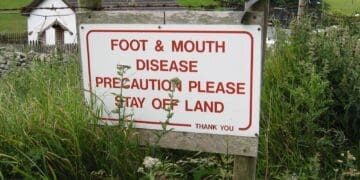



























Private veterinary practices are set to play a central role in South Africa’s expanding Foot-and-Mouth Disease (FMD) vaccination campaign, as the government scales up efforts to contain outbreaks and restore national herd immunity.
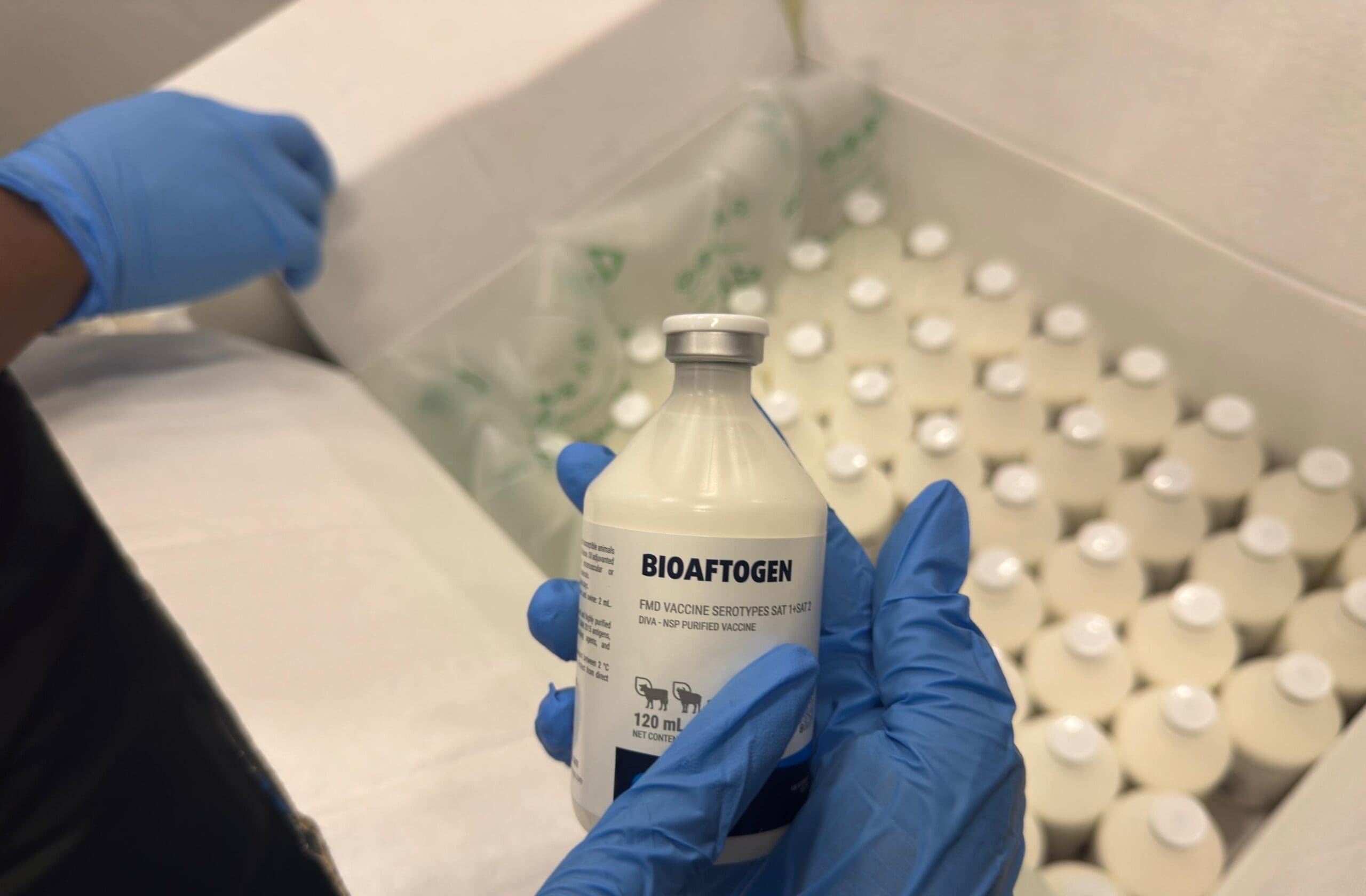
The first million vaccine doses arrived from Argentina at OR Tambo International Airport on Saturday, produced by Biogénesis Bagó.
Minister of Agriculture John Steenhuisen confirmed that communal herds are part of the priority strategy and that vaccinations will be administered free of charge.
“Communal herds are part of the strategy, and they are one of the priorities,” Steenhuisen told Vutivi Business News.
“They won’t be expected to pay because this is a state-controlled disease, and we’ll be rolling out the vaccine to them.”
How private vets will play a role
Participation in the rollout will require formal registration and compliance with reporting protocols for private veterinarians.
“There is a form that private vets must fill out,” Steenhuisen explained to Vutivi Business News.
“They must undertake to record the data. Every vaccination done needs to be recorded as we need the data, and there must be surveillance done thereafter.”
He added that vaccinated cases must be reported to local state veterinary authorities to ensure traceability and monitoring.
The data will support South Africa’s application to the World Organisation for Animal Health for FMD-free status with vaccination.
“Every vaccination that is done needs to be reported. We need to have the data, and surveillance needs to be done afterwards,” he said.
The Minister also noted that 100 additional animal health technicians and community service veterinarians will be deployed to support operations, particularly in high-risk and protected areas.
Outbreak-based priority system
Steenhuisen emphasised that vaccination will follow an outbreak-driven model, rather than farm size or ownership structure.
“We will be vaccinating on a priority basis in areas where the outbreaks are the worst. It doesn’t matter if it’s a communal area or a commercial farm. When we get into that area, we’re going to vaccinate all the animals in that particular area,” Steenhuisen said.
He identified the current epicentres as KwaZulu-Natal, Free State, North West, and parts of Mpumalanga.
“Every province will receive some of this batch,” he said, adding that additional doses are expected in March.
“Biogénesis Bagó will supply five million vaccines a month, which will add to what we’re receiving from Botswana and Turkey. At the same time, local production is underway, with OBP producing around 300,000 doses per week.”
The government aims to vaccinate 80% of the national herd by the end of the year, with full national coverage as the ultimate target.
Reporting remains critical
Steenhuisen stressed and urged that farmers must report suspected outbreaks to trigger vaccination interventions.
“We’ve noticed that there are a lot of people who don’t report FMD outbreaks”, he told Vutivi Business News.
“We can’t come and vaccinate unless we’re aware of outbreaks. When farmers see symptoms, they need to alert local state veterinarians, local authorities, and traditional leaders for successful administrations.”
Failure to report outbreaks, he warned, that it undermines containment efforts.
Business implications
The structured deployment of private veterinarians, combined with expanded vaccine supply, signals increased operational demand for veterinary practices, particularly in outbreak zones.
Private vets participating in the state programme must adhere to strict data recording, reporting, and surveillance requirements.
”Private vets closer to the cities will obviously vaccinate on behalf of their clients. We have a strategy to make sure the vaccine gets out in the field as quickly and effectively as possible”, he said.
This positions them as both service providers and compliance partners in a national biosecurity strategy.