




































Insurance expert and actuary Thapelo Mokoena has expressed how the floods that have hit parts of Limpopo and Mpumalanga have once again exposed the vulnerability of smallholder farmers to climate-related disasters.
“Most smallholder farmers do not have livestock insurance because it is expensive or simply not accessible to them,” Mokoena said. “When floods strike, they carry the full loss on their own. With climate change increasing extreme weather events, insurance and government-supported safety nets are becoming more important than ever.”
Mokoena added that simplified and affordable insurance products, combined with farmer education, could help reduce future losses, but stressed that state support remains crucial.
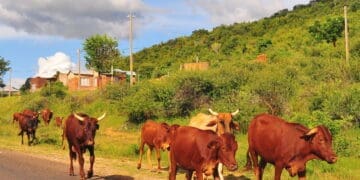
Smallholder farmers in parts of Vhembe and Giyani are reeling after weeks of persistent heavy rains and flooding led to the death of livestock, wiping out a critical source of income and food security for rural households.
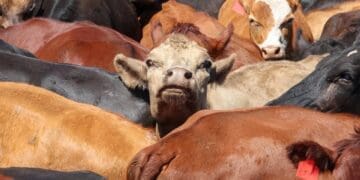
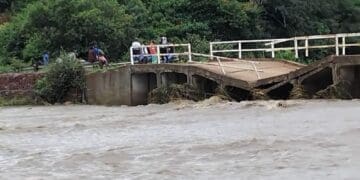
Overflowing rivers and waterlogged grazing lands have left cattle, goats and pigs stranded, with some animals swept away by fast-moving floodwaters. Farmers living near rivers and dams said that they are suffering the most severe losses, as water levels rose rapidly overnight.
The impact of the heavy rains has extended beyond farming communities, with sections of the Kruger National Park also reported to be submerged, raising concerns about wildlife displacement and damage to infrastructure within the park.
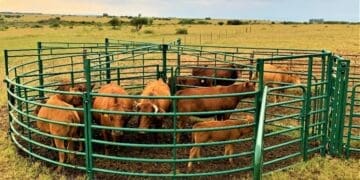
“We woke up and the water was already too high,” said Latani Nenzhelele from Vondo village, just outside Sibasa in Vhembe. “Some of my cattle were trapped in the kraal and the little ones were washed away in the edges of our homestead.This rain has never stopped since Monday, my father and I had to dig a draining farrow to channel the water out of the kraal.”
In Giyani, farmers report similar devastation, with muddy terrain and flooded kraals weakening animals that survived the initial floods.
“I lost a goat on Tuesday, then again on Wednesday, all this within a day,” said Tinyiko Mkansi, a smallholder farmer from Mopani District at Muyexe village in Giyani. “They stood in water for days and became sick. We are crying because this is how we feed our families.”
In Mukumbani village in the Vhembe district, a subsistence farmer described a particularly painful loss after newly born piglets drowned when rising water submerged their shelter.
“The two piglets were born just last week,” Rendani Madzivhandila said.
“They have drowned overnight because we did not think the rain would rise and submerge the shelter. I’m so heartbroken and I wish I had taken them inside the outside kitchen that we have here at home. These heavy rains are killing even the little things we have and it is painful,” she said.
Beyond livestock deaths, the prolonged wet conditions have destroyed grazing areas and damaged access roads, making it difficult for farmers to reach veterinary services or transport feed. Community leaders said that some households have lost most of their crops like Mealies to the floods.
Provincial disaster management teams remain on alert as heavy rains continue in parts of Limpopo. Authorities are assessing damage to homes, infrastructure and agricultural land, while affected farmers are calling for urgent relief, including emergency feed, veterinary assistance and financial support.
As rainfall persists, farmers in Vhembe and Giyani remain on edge.
“We can rebuild kraals,” Nenzhelele said, “but can we really rebuild livestock? It takes years to farm these animals. Without help, some of us may never recover.”
Azwi@vutivibusiness.co.za