




























As the back to school season begins, attention often turns to parents preparing school bags and stationery. For early childhood development entrepreneurs, January marks the start of another demanding business cycle, as crèches and preschools reopen.
In Madombidzha, Limpopo, Thabelo Vhengani runs Little Steps Crèche, a small preschool she built from the ground up. The centre caters for children aged nine months to four years and operates as a full-time small business in a rural community where affordable early learning services are in high demand.
“People often think a crèche is just about looking after children, but behind the scenes it is a business with serious costs,” Vhengani told Vutivi Business News. “Every month there are bills to pay, salaries to cover, and food to prepare. It is a constant balancing act.”
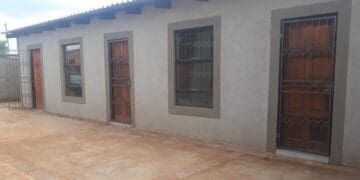
Vhengani started Little Steps after identifying a lack of accessible early childhood education facilities in her area. Using personal savings and support from the community, she constructed classrooms, child-friendly toilets, fencing and a secure outdoor play area. She estimates that the construction and basic setup cost less than R100,000, with additional expenses for registration and compliance.
“When I first started, I did not know how hard it would be to meet all the government requirements,” she said. “But I wanted parents to trust that their children were safe and cared for.”
She added that she did not start the crèche just to run a business, but because she wanted to give children a good start in life. Vhengani said every time she sees children’s learning and growing, “it reminds me why I do this”.
Once the crèche opened, the ongoing costs quickly became apparent. Little Steps employs three staff members, two teachers and one cleaner who also helps with preparing meals. Staff salaries account for a significant portion of monthly expenses, reflecting the labour intensive nature of early childhood care.
“Hiring the right people was one of the hardest parts,” Vhengani said. “You need staff who are patient with children and reliable with their responsibilities. Our cleaner helps with cooking and cleaning, and that support is invaluable.”
Nutrition is another critical focus. Little Steps provides three meals a day for every child, including breakfast, lunch and an afternoon snack.
“I insist on proper meals for the children,” Vhengani said. “Some parents cannot always provide enough at home, so it is important that here they get food that is healthy and filling. Food is expensive, but I will not compromise on this.”
Fees are structured according to age, with parents paying R400 per month for toddlers and R600 per month for infants, reflecting the higher level of care younger children need. In 2025, Little Steps had 32 children enrolled, generating a modest income.
“Even with 32 children, I try to keep fees affordable because I know how tight finances are for many families.”
The challenges faced by Little Steps reflect broader trends nationally.
The latest Early Childhood Development Census shows that South Africa has 42,420 early learning programmes serving approximately 1.66 million children. Only about 40 percent of centres are fully or conditionally registered, and just one third receive government subsidies.
“It is a struggle for small crèches, especially in rural areas,” Vhengani said. “We often feel overlooked, even though we are providing a vital service.”
Looking ahead to 2026, Vhengani remains cautiously optimistic.
“I hope to increase enrolment slightly and add more learning materials, but I know costs will continue to rise,” she said.
“Electricity, water, and food is getting more expensive, and parents are also feeling the pinch. We just have to plan carefully and keep pushing forward.”
Despite the challenges, she remains committed to her mission.
“We are not just caring for children, we are shaping their future, and that work needs support if it is going to last”, she concluded.
Azwi@vutivibusiness.co.za