












































As schools reopen on 14 January 2026, informal traders and taxi drivers across South Africa are preparing for a return to routine, one that brings both opportunity and financial pressure after a costly festive season.
For traders operating near school gates and taxi drivers transporting learners daily, the reopening of schools often marks the first chance to stabilise income after uneven December trading. Yet January remains one of the most difficult months for those working in the informal economy.
Household spending at the start of the year is driven by necessity rather than choice. Families prioritise school fees, uniforms, stationery and transport, leaving little room for discretionary spending. For informal traders selling snacks, fruit and small school-related items, this results in lower daily takings despite increased foot traffic.
“ Once schools open, there are people again. But children don’t carry much money in January. Parents are dealing with school costs first,” said snack vendor Emma Mahlangu, who trades outside a primary school in Soshanguve.
Mahlangu said the reopening of schools also brings intense competition, as traders who paused operations during the festive season return at the same time.
“Everyone comes back to trade at once. If your prices are too high, learners just walk past. You are forced to lower prices, even when your stock costs more than before,” she said.
Research into South Africa’s township economy shows why these pressures persist. According to Standard Bank’s Township Informal Economy Report, nearly 80% of township businesses operate without formal registration, limiting their access to finance, insurance and formal support structures.
Statistics South Africa’s Quarterly Labour Force Survey further highlights the vulnerability of informal workers, with millions of South Africans relying on daily trade and transport activities for income. Even short disruptions, such as school holidays, can have immediate financial consequences.
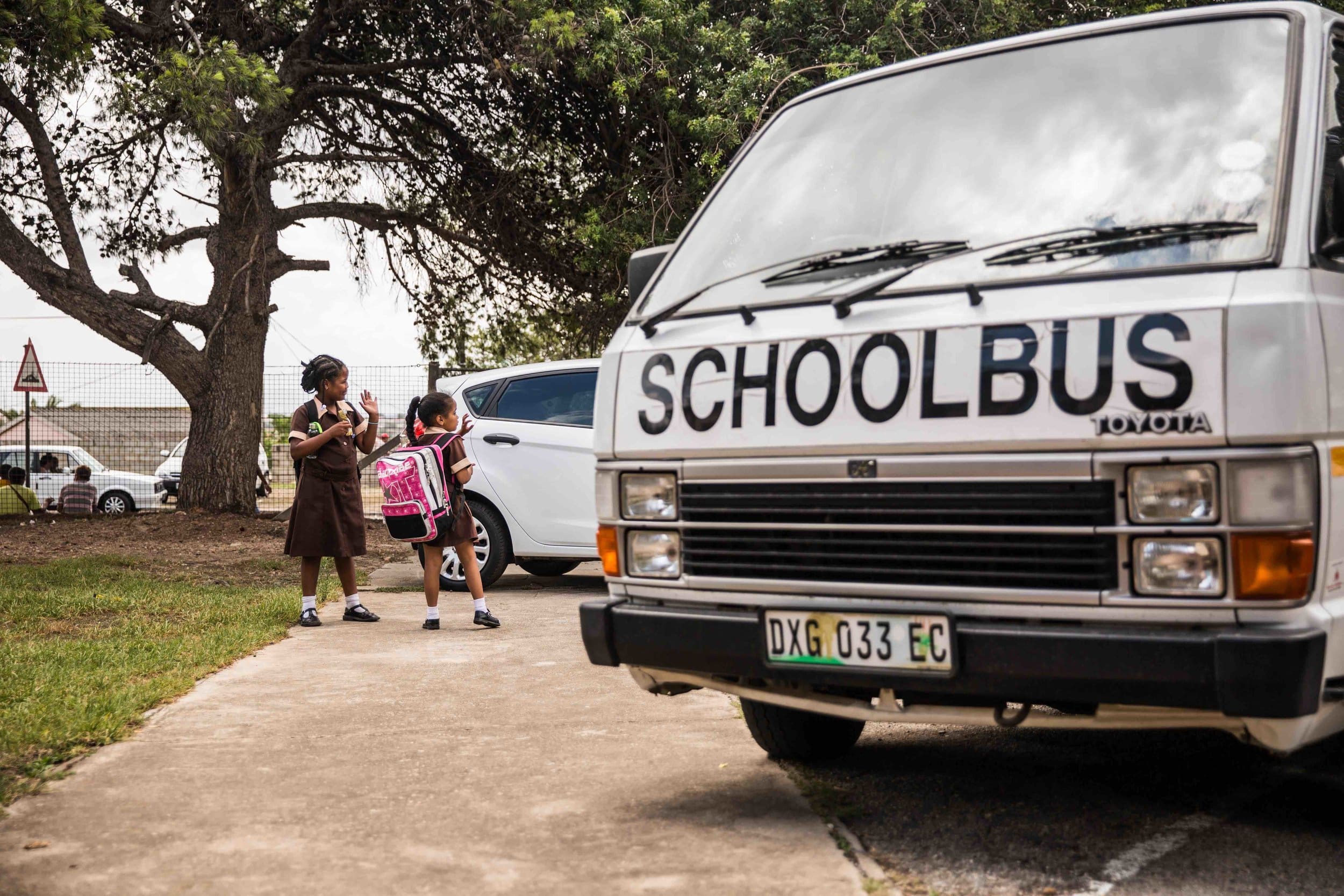
Taxi drivers transporting learners face similar challenges. While the return of schools restores predictable daily routes, rising operating costs continue to erode earnings.
“When schools are closed, the income is not stable. Once learners return, at least you know there will be trips every day. But most of the money goes back into the vehicle,” said Tshepo Mukhele a taxi driver.
He said fuel prices, maintenance costs and fare sensitivity remain major concerns.
“Parents are already struggling with school fees. You can’t just increase fares because learners won’t come. You are stuck between rising costs and people who can’t pay more,” Mukhele said.
Leah Maisela, the owner of Leago tours which transports learners around the Pretoria CBD, said the start of the school year places sustained pressure on school transport operators.
“Fuel and maintenance costs have increased significantly, putting pressure on our budget,” Maisela said. “We’ve had to find ways to absorb some of these costs while keeping our service affordable for parents. It’s a continuous balancing act.”
He added that worsening traffic congestion during peak school hours further affects operations and profitability
“Once schools reopen, traffic becomes a major challenge. Delays mean higher fuel consumption and longer hours on the road, which increases wear and tear on vehicles. You end up spending more to deliver the same service,” he added.
Despite the challenges, traders and transport operators say the reopening of schools restores routine and predictability a critical factor for survival in the informal economy.
As the 2026 academic year begins, many enter January cautiously optimistic, hoping consistent daily activity will help ease the financial strain left by the festive season.