














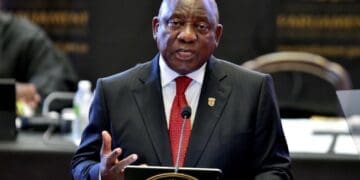































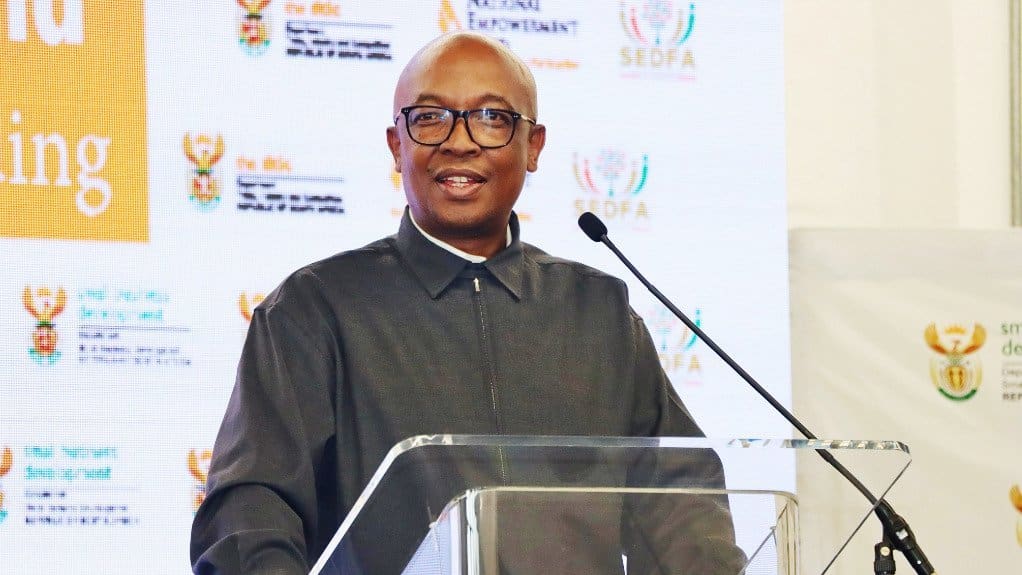
South Africa’s transformation agenda is not just a policy exercise, but a constitutional and moral obligation to ensure that every entrepreneur has a fair shot at success. This was the message from Minister of Trade, Industry and Competition, Parks Tau, during an oral reply session in the National Council of Provinces.
Tau warned that despite years of Broad-Based Black Economic Empowerment (B-BBEE) efforts, thousands of township and rural entrepreneurs remain shut out of real economic activity. He stressed the importance of shifting the structure of the economy so that small, black-owned businesses can thrive rather than merely survive.
“The legacy of apartheid left black people deprived of access and opportunities in the economy,” he said. “Transforming South Africa’s industrial and economic landscape remains urgent and unavoidable.”
A key intervention, Tau noted, is the Transformation Fund, which aims to unlock more enterprise and supplier development opportunities for small businesses. Responding to concerns raised by parliamentarians, Tau clarified that the proposed 3% contribution by companies is not a levy and will be voluntary.
“We want to ensure that this is not just a fund where people contribute for compliance,” he said. “It must deliver socio-economic impact and open pathways for black entrepreneurs.”
Tau also referenced the latest B-BBEE Commission report, which revealed that there are critically low levels of spending that support black suppliers. Rising concerns over non-compliance and that companies are merely “ticking the box” with limited empowerment results.
He highlighted ongoing challenges such as fronting, which exploits vulnerable black professionals by using their identities as token ownership. Fraudulent BEE certificates and corruption continue to undermine the empowerment system, he added.
Tau said the government is now prioritising a thorough review of B-BBEE to fix its weaknesses and ensure transformation benefits are tangible, especially for SMMEs.
“Our objective is not to fight the private sector,” he said. “We want collaboration to build a society where talent, capability and ambition are not limited by race, class or gender.”
For small business owners, the Transformation Fund and B-BBEE review could be a turning point.
Lindiwe Mkhize, owner of an informal roadside township catering business Lindi Eats in Pretoria, said “access to contracts and suppliers has always been a challenge.”
“If the fund can really open doors for small businesses like mine, it could make a huge difference,” Mkhize said.
Sipho Dlamini, an entrepreneur who runs a logistics freight business through Bolt in Midrand, said they wish for fair competition.
“We want to compete fairly. Support from larger companies through enterprise development could help us grow without feeling like we’re just ticking a box,” Dlamini said.
For many black entrepreneurs struggling against structural barriers, the review and Transformation Fund comes at a critical time.
Another logistics entrepreneur, Nokuthula Ngobeni in Pretoria, also expressed that “B-BBEE has promise, but the implementation has been inconsistent.”
“A fund that is transparent and focused on real socio-economic impact could change the way we do business,” Ngobeni said.
As South Africa seeks inclusive growth, genuine access to capital, procurement pipelines, and industrial opportunities will determine whether SMEs remain spectators to economic growth or become the driving force behind it.
Azwi@vutivibusiness.co.za