















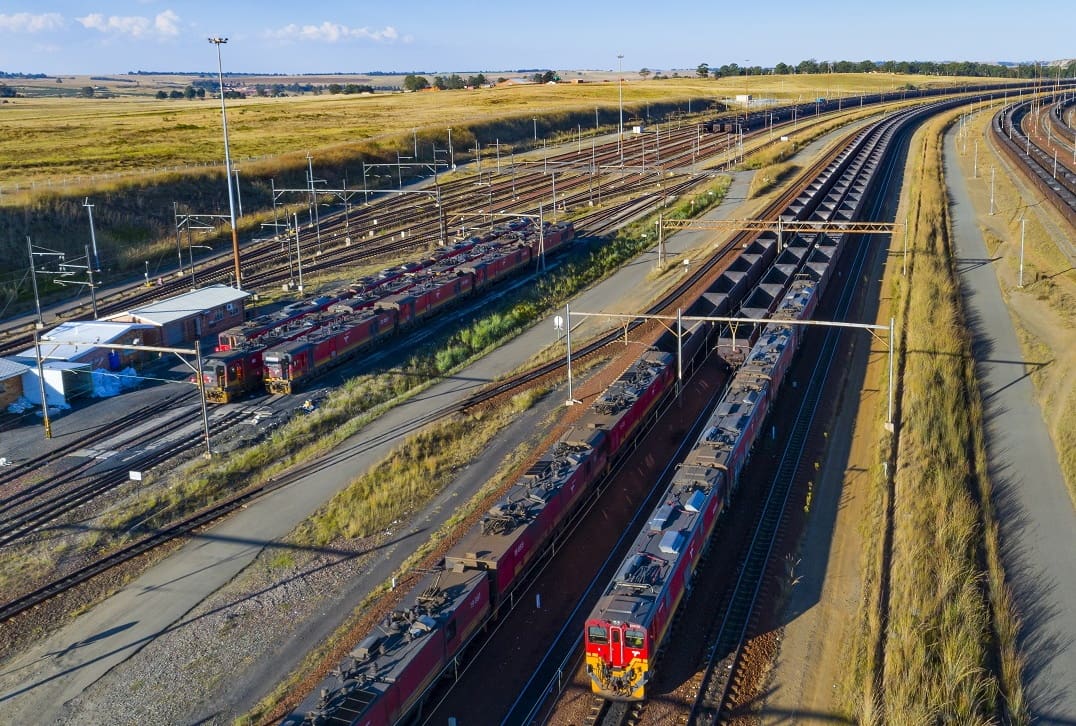
SMEs in the export and manufacturing sectors are set to benefit from the government’s plan to turn around the performance of its rail and ports systems.
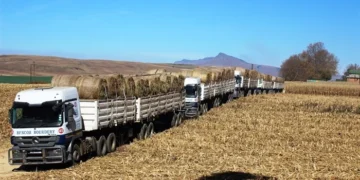
The improved logistics performance of both entities could reduce transport costs, shorten delivery times and strengthen competitiveness in international markets.
President Cyril Ramaphosa announced during the 2026 State of the Nation Address that the government has begun to turn around the performance of its rail system and ports, so that businesses can get their products to global markets.
Private operators have now been enabled to access the rail network.
“We have now enabled private rail operators to access our network, which will allow different rail companies to compete and move volumes from road to rail,” Ramaphosa said.
“Later this year, we will initiate major public-private partnerships in our port terminals and rail corridors through a concession model that preserves public ownership while mobilising private investment and expertise,” he said.
“Last month, we concluded a partnership with an international port operator to manage the Durban Pier 2 Container Terminal, the largest in our country.”
Water crisis raises operational risks for businesses
Beyond sector funding, Ramaphosa acknowledged that failing municipal infrastructure poses a direct threat to economic activity.
“In addition to crime, water is now the single most important issue for many people in South Africa, from large cities like Johannesburg to smaller towns like Knysna and rural areas like Giyani. To ensure water security in the long term, we are building new dams and upgrading existing infrastructure,” he said.
The government has committed more than R156 billion in public funding for water and sanitation infrastructure over the next three years.
“Using the same approach, we will now elevate our response to the water crisis to a National Water Crisis Committee, which I will chair,” Ramaphosa said.
“To address the challenges effectively, we will not hesitate to use the powers enshrined in the Constitution and in the Water Services Act to intervene in municipalities where necessary.”
R54 billion incentive introduced
A new R54 billion incentive has also been introduced to encourage metros to reform water, sanitation and electricity services.
For small businesses, a reliable water supply is not only a community issue but a production and service delivery requirement, directly affecting daily operations. Flood disaster declaration raises funding questions for SMEs
Ramaphosa also addressed the impact of recent extreme weather events.
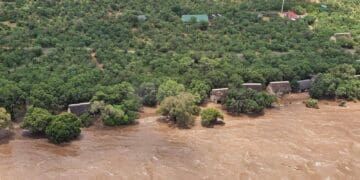
“Catastrophic flooding in Limpopo and Mpumalanga caused the loss of at least 55 lives and widespread destruction of homes, schools, clinics and other infrastructure,” Ramaphosa said.
He confirmed that the classification of the floods as a national disaster enables national and provincial governments to prioritise funding for affected communities.
For small enterprises whose premises, stock and equipment were damaged or destroyed, the key question remains whether disaster funding mechanisms will include targeted business recovery support.
Green industrial incentives and investment targets
Ramaphosa positioned green industrialisation as a major opportunity for manufacturers and investors.
“From March this year, we will introduce a 150 percent tax deduction for investment in new energy vehicles, while supporting the local production of batteries.”
He also announced a new investment target.
“We have now set ourselves a target of raising R2 trillion in new investments over the next five years.”
For SMEs operating in manufacturing, clean energy supply chains and emerging industrial sectors, these incentives could create new supplier and partnership opportunities.