















































Funeral parlour businesses in Limpopo are facing unprecedented challenges as heavy rains and flooding leave cemeteries and graveyards waterlogged.
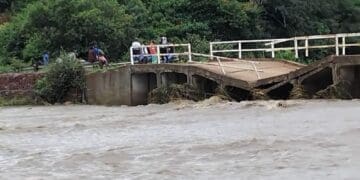
Torrential rains have hit the provinces of Limpopo and Mpumalanga in the previous week, leading to billions of rand in damage to property and infrastructure. At least nine people have been reported dead in Limpopo.
The persistent rains have made turned roads into a soggy mess in the rural areas, making it impossible for hearses and funeral corteges to access cemeteries. In some areas cemeteries have been flooded. This has forced funeral homes to keep bodies longer.
“When it rains like this, we cannot bury immediately,” said a funeral assistant from Thabelo Funeral Embassy in Vhembe in Limpopo. “The ground is too wet and some cemeteries are flooded. Families are forced to postpone funerals, and we end up keeping bodies longer in our mortuaries.”
The delays are placing pressure on small funeral businesses, many of which have limited cold-storage space. Operators say extended storage periods increase electricity costs and strain already stretched facilities.
“Electricity costs go up, and when the mortuary is full, it affects our ability to take in new cases,” said the assistant.
Families are also feeling the financial and emotional impact, as longer storage periods can increase funeral costs and disrupt traditional burial timelines.
“Some families want to bury within a certain time, but the weather no longer allows that,” said Vongani Xilumane, a community leader in Giyani. “It becomes emotionally painful for them.”
Elsabé Basilio, Managing Director of the National Funeral Directors Association of Southern Africa (NFDA), said the extreme weather is affecting operations across multiple levels.
“Flooding disrupts funeral services at multiple operational levels. Access roads to mortuaries, villages, and cemeteries become impossible, burial sites become waterlogged, and environmental health risks increase substantially,” Basilio told Vutivi Business News.
The National Health Act of 2003 (Act No. 61 of 2003), and regulations relating to the Management of Human Remains (Regulation R363 of 22 May 2013) sets strict standards for handling human remains.
Basilio explained that “the deceased must be stored in approved mortuaries with proper hygiene and refrigeration at 1–5°C”, while graves must be located outside floodplains and above groundwater levels. Mortuaries are also required to have backup electricity and proper waste management. While these measures protect public health, extreme flooding makes compliance increasingly difficult for funeral homes and cemetery workers.
The South African Weather Services (SAWS) has issued a red level 10 warning for disruptive rain in parts of Limpopo and Mpumalanga. SAWS says it is the first time since 2022 that it has issued the highest warning.
“In many areas, grave digging becomes unsafe or prohibited because burial sites are required by law to be outside the 100-year floodplain and above the groundwater table, conditions that are often violated during flooding events. When cemeteries cannot be accessed or graves cannot be prepared safely, funerals must be postponed regardless of family readiness.”
She added that legal requirements under the Act also mean mortuaries are under pressure during floods.
“Under South African law, all human remains must be stored in approved mortuaries or funeral undertaker premises that meet strict hygiene, refrigeration, and environmental health standards”, she said.
“Human remains must be refrigerated to below 5°C within three hours of arrival and kept at 1–5°C during preparation. Mortuaries must have approved cold chambers or refrigerators, and the number of bodies may not exceed the available refrigeration trays.”
Basilio said further said that “outsourced refrigeration is prohibited”, meaning funeral homes cannot send bodies elsewhere when their facilities are full.
‘When floods prevent burials, bodies accumulate in mortuaries. This quickly pushes facilities beyond their legally permitted capacity, increasing electricity costs, refrigeration strain, and regulatory risk for funeral operators. At the same time, flood-related deaths often increase the inflow of remains, worsening congestion”, she explained.
Azwi@vutivibusiness.co.za