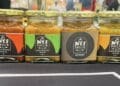





































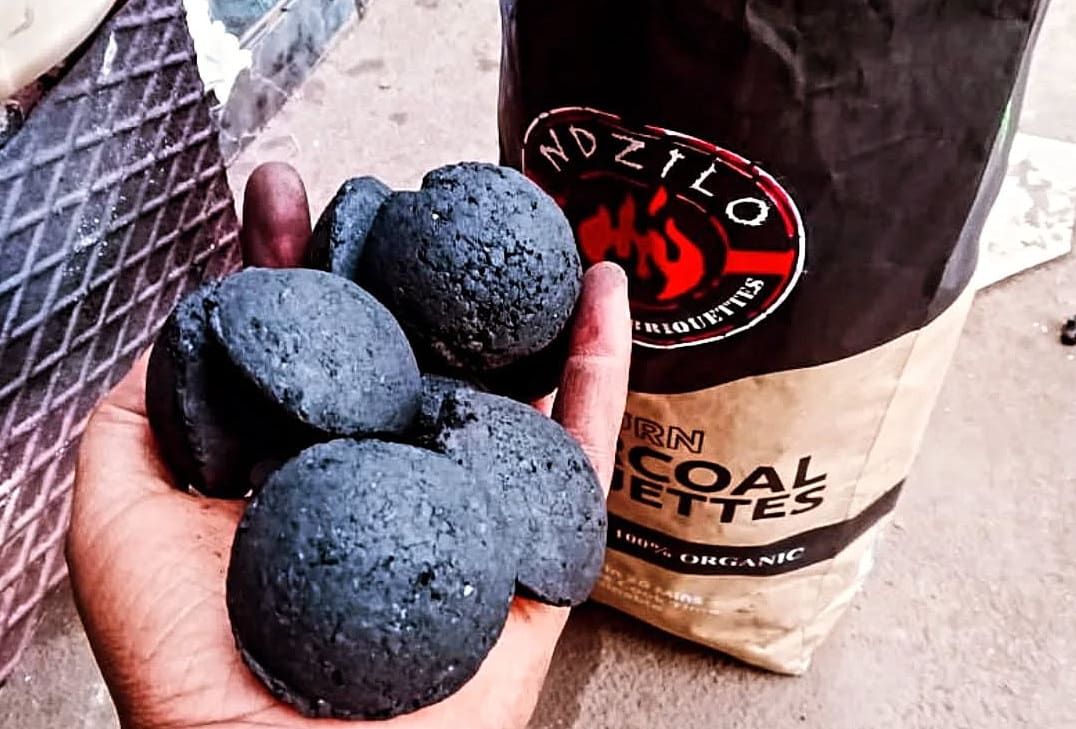
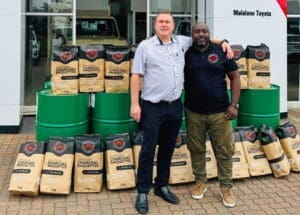
Given Ngwamba, founder of Ndzilo Charcoal Briquettes, has managed to secure placement in Pick n Pay and is registered within SPAR’s supplier system.
This comes as township entrepreneurs are increasingly exploring opportunities to supply South Africa’s major supermarket and petrol-store chains, as formal retailers expand supplier development initiatives aimed at widening participation in their supply chains.
While some small manufacturers have successfully secured shelf space, many others remain constrained by compliance costs, production capacity and working-capital limitations.
How charcoal merchant made it
Ngwamba began producing charcoal from dry sugarcane waste in 2019, formalised the business in 2020, and approached store managers directly with samples.
“Our local Pick n Pay tested the product and agreed to stock it,” Ngwamba said. “With SPAR, we registered through their distribution centre and were approved for drop shipment once we can supply sufficient volumes.”
Ngwamba said success in formal retail depends on consistent quality, reliable production and professional presentation. His business sources biomass from surrounding farms and uses specific raw materials to maintain product standards.
“Retailers want products that move,” he said. “Your packaging must look professional, your branding must stand out, and you must show that customers are buying.”
A study by the Sustainable Livelihoods Foundation found that although supermarkets are now common in townships, this has not created many real opportunities for informal food businesses to become part of formal retail.
Most small traders still operate outside shopping centres and struggle to access supermarket supply chains, showing the barriers that township producers face when trying to enter big retail.
Supplier development programme established
SPAR South Africa has designed a Supplier Development Programme to support small and medium food producers in meeting the quality, safety, and supply standards required by formal retail.
The programme focuses on preparing emerging suppliers for market readiness through compliance support, product evaluation and guidance on packaging and labelling, highlighting growing retailer interest in sourcing from smaller producers.
However, township entrepreneurs say the transition from informal markets to formal retail is complex and capital-intensive.
Themba Lemekhaya, founder of Mkhukhu Pizza, who operates from the back of his aunt’s shack in Orange Farm producing six pizza flavours priced between R30 and R100, highlighted that limited equipment, inadequate production space and a lack of finance restrict his ability to scale production.
“I can only buy small quantities of flour and make limited batches,” Lemekhaya said. “To reach supermarkets, you need proper equipment, compliant premises and money for certifications. Those things are expensive.”
Lemekhaya added that navigating municipal approvals and food safety certification is often slow and costly, while different retailers apply different supplier requirements. Logistics, packaging and transport further complicate attempts to reach larger markets. As a result, his business remains focused on serving local customers despite demand for expansion.
news@vutivibusiness.co.za