


















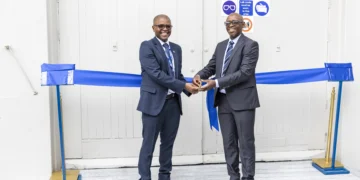



























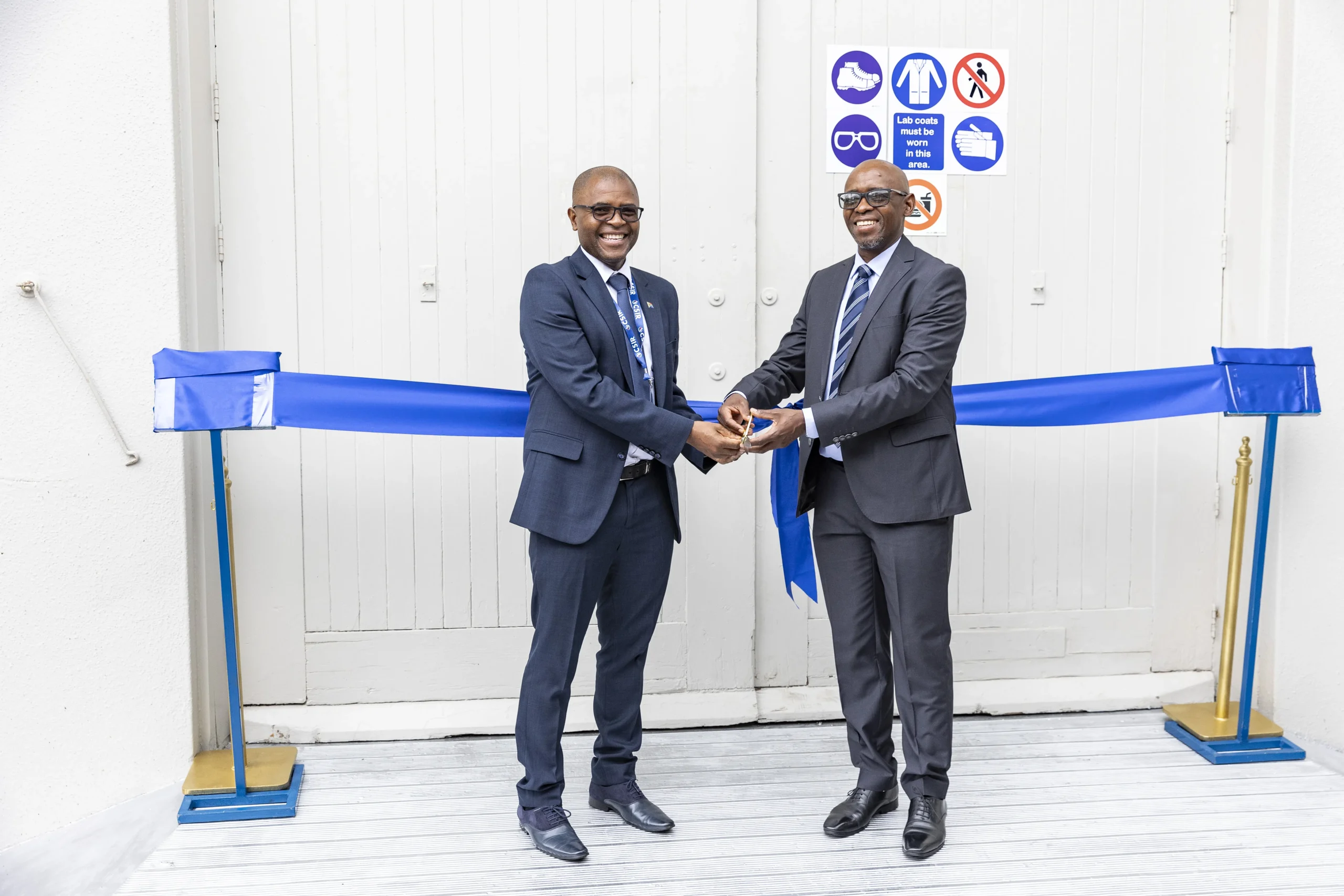
Small and medium-sized manufacturers struggling with high production costs and limited access to advanced metal-processing technology may find some relief following the launch of a Hot Isostatic Press (HIP) facility at the Council for Scientific and Industrial Research (CSIR) in Pretoria.
The facility enables the densification of metal powders and components using high heat and pressure, producing solid parts with improved strength and durability. For many local manufacturers, similar processing has historically required offshore services, adding transport costs, long turnaround times and foreign-currency exposure.
Funded through the Department of Science, Technology and Innovation’s National Equipment Programme (NEP), the HIP facility provides a local option for companies developing complex or high-performance components, particularly those operating in sectors such as mining, rail, energy, automotive and aerospace.
Dion Greyling from Metallurgical and Manufacturing Services, a local metallurgical company and an early client of the facility, said the availability of HIP processing in South Africa has practical commercial implications for industry.
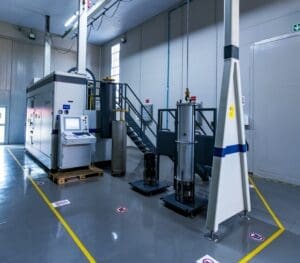
“We are very excited about the reintroduction of the HIP in South Africa, because the HIP is available for development and for possible commercial advancements,” he said.
Greyling said testing had delivered stronger-than-expected results.
“The actual mechanical properties that we have tested of the HIP product exceed the powder manufacturer’s best results ever, it is phenomenal that we can revitalise the industry through this capability,” Greyling said.
For SMEs, the primary benefit is cost efficiency. HIP processing produces near-net-shape components, reducing the need for extensive welding and machining. This lowers material waste and shortens production cycles , factors that can significantly affect margins for smaller firms.
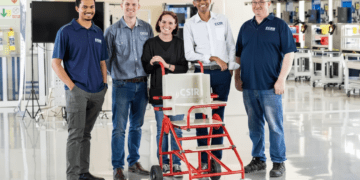
However, the technology is not a turnkey solution. Each component requires careful process development and validation. According to CSIR senior engineer Maurice Maliage, the facility works with companies to determine suitable temperature and pressure parameters for specific components.
“We assist industries to develop their own pressing processes by identifying the parameters suitable for the production of a particular component, and we do research based on that,” Maliage said.
Before and after pressing, components undergo X-ray inspections and precision measurements to detect defects, pores or dimensional distortions. This testing capability is intended to reduce risk for manufacturers entering markets with strict performance and safety requirements.
CSIR CEO Dr Thulani Dlamini said the organisation’s focus remains on supporting industrial development through applied science.
“For eight decades, we have been true to our mandate of fostering industrial development through science and technology,” he said.
He said advanced manufacturing infrastructure plays a role in improving competitiveness, particularly where local firms face pressure from imported components.
“We will continue to seek out opportunities to employ advanced capabilities that strengthen not only our innovation landscape but the robustness of industry and national competitiveness,” Dlamini added.
The CSIR has invited manufacturers, inventors and component producers to engage on joint development projects, with the facility expected to serve as a testing and development platform rather than a mass-production site.