













































Duty-free access to one of the world’s largest consumer markets could fundamentally reshape the export landscape for South African small businesses.
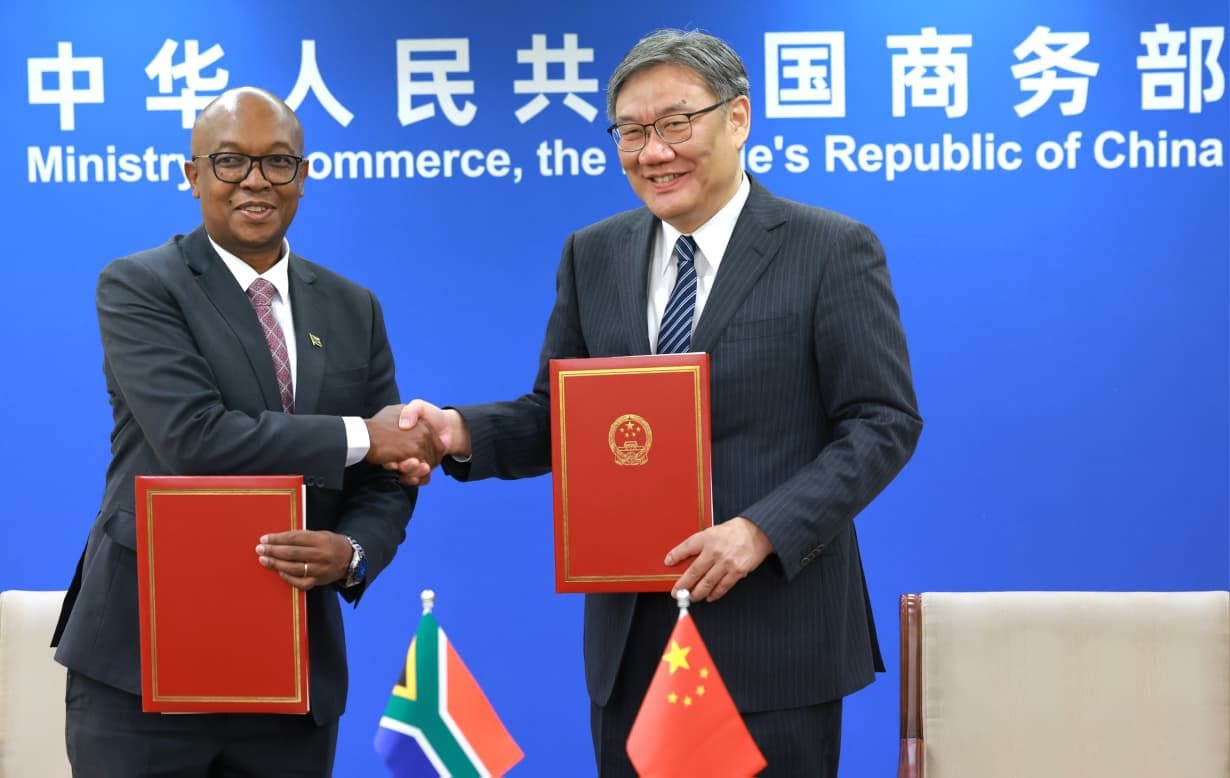
South Africa and China have signed the Framework Agreement on Economic Partnership for Shared Prosperity (CAEPA), laying the foundation for an “Early Harvest” deal expected to introduce preferential or zero-tariff access on selected products.
Trade, Industry and Competition Minister Parks Tau described the agreement as a strategic step to strengthen bilateral trade and create new opportunities for local businesses.
Tau said “the agreement will enhance trade with the People’s Republic of China while increasing exports and rebuilding our industrial capacity”.
He added that growing bilateral relations are creating space for South African enterprises to expand internationally.
“As China–South Africa relations continue to deepen, new opportunities emerge for South African businesses seeking to enter the Chinese market,” Tau said.
The deal could reduce trade barriers, streamline customs procedures, and expand access to China’s massive consumer and supplier market for SMEs.
What CAEPA means for SMEs
Trade analysts say the agreement signals a shift towards deeper economic cooperation between South Africa and China, with a focus on diversification and inclusive growth.
The anticipated “Early Harvest Agreement” is expected to prioritise agricultural and manufactured goods by March 2026. This could benefit a wide range of small businesses.
Gideon Chitanga, a researcher at the University of Johannesburg Centre for Africa-China Studies, highlighted the potential for agriculture.
“This free trade agreement will broaden South African markets, particularly for agricultural goods. Expanding traditional markets for agricultural products is important to grow the sector, which is one of the largest employers”, he said.
Sectors that stand to gain
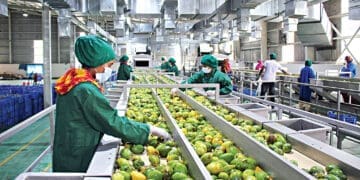
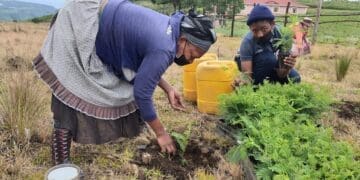
Agro-processing and agriculture are expected to be among the first sectors to benefit if tariff reductions are implemented. Producers of citrus, macadamia nuts, rooibos tea, and other high-value crops could see increased export volumes and better pricing.
Manufacturing and value-added goods also have significant potential. SMEs producing machinery parts, components, or processed consumer products could integrate into larger export supply chains.
At the same time, natural products such as organic skincare, essential oils, and indigenous botanical products may benefit from rising Chinese demand.
Import opportunities for retail and service SMEs
While much of the focus is on exports, import-reliant SMEs could also benefit. Reduced tariffs and smoother customs processes could lower costs for clothing, hair products, home equipment, and optical supplies.
Johannesburg-based optician Lerato Maseko said affordable wholesale sourcing is critical for competitiveness.
“Frames and certain optical accessories are often sourced internationally. If trade processes become smoother and costs are reduced, it helps us keep prices affordable for our customers while maintaining quality”, Maseko said.
Similarly, Thohoyandou entrepreneur Ndamulelo Netshitonzheni, who sells wholesale clothing, hair, and home products is optimistic.
“Many small retailers depend on importing affordable stock. When shipping delays or tariffs increase costs, it affects our margins directly. If this agreement improves trade efficiency, it gives small businesses like mine breathing room”, she said
Practical steps and challenges
SMEs must meet Chinese certification, labelling, and compliance requirements. Export councils and advisory bodies can provide guidance, while the departments of trade and business focuses on export readiness.
Analysts warn that China’s market is highly competitive. Success depends on product quality, regulatory compliance, and reliable distribution channels. .
If implemented effectively, CAEPA offers SMMEs a clear pathway to grow and access new international markets.