









































Small tyre businesses and informal traders across South Africa are playing a key role in keeping vehicles on the road as festive season travel reaches its peak.
As thousands of motorists embark on long-distance journeys to visit family during the end of year holidays, informal traders selling used and reconditioned tyres say demand has increased sharply since early December.
From township pavements to roadside trading spots near major highways, December is widely regarded as the busiest trading period of the year.
Tyre trader Thabo Mokoena, 38, says the business was born out of necessity rather than choice.
“I was retrenched during the Covid-19 outbreak, and there were no jobs,” said Mokoena, who sells tyres by the roadside in Hammanskraal. “I had R5 000 savings. I bought a few used tyres from a scrapyard and stood here. That’s how it started.”
Mokoena now sells between five and fifteen tyres a day, depending on traffic and the time of the month. Prices range between R250 and R800, far cheaper than new tyres at formal fitment centres.
“Most of my customers are taxi drivers or people who just need something to last until payday,” he said.
Like many small informal businesses, tyre traders are under pressure from rising operating costs. Fuel price increases affect transport costs when sourcing tyres, while higher electricity tariffs have pushed up prices at scrapyards and fitment centres.
“We used to buy tyres cheaper,” said trader Mapula Shezi, who runs a tyre stall near the Mabobane Highway.
“Now the suppliers also complain about costs, so everything goes up.”
Municipal by-law enforcement remains another challenge. Traders say they are frequently moved from their trading spots or fined for operating without permits.
“We are not criminals,” said Shezi, “We are just trying to make an honest living.”
Shezi said the festive season often required longer trading hours to keep up with demand.
“In December, we open very early and close late. Some customers come after work because they want to leave early the next morning to travel. This season keeps our business alive,” she said.
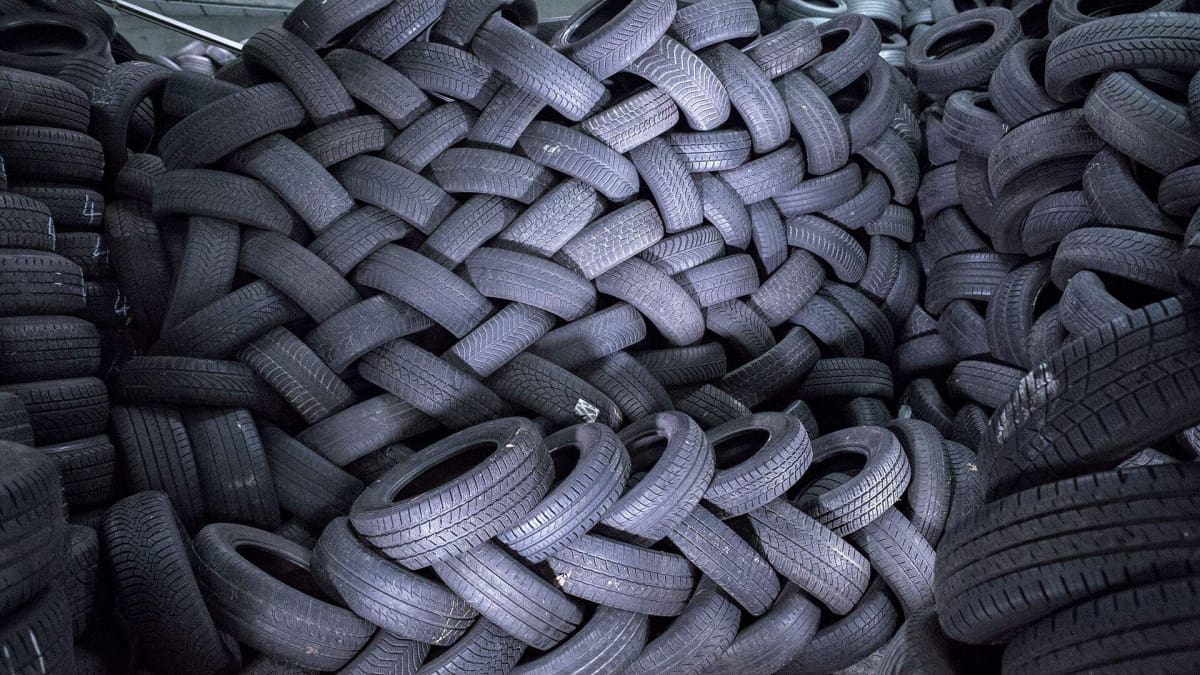
Safety and environmental concerns remain a key issue within the informal tyre trade. Worn tyres pose risks if sold without proper checks, while illegal dumping of unusable tyres continues to affect communities. Industry experts advise that regulation, rather than removal, is the solution.
The tires-easy.com website warns that the condition of used tyres can vary greatly and that some used of them are nearly new, having been used for only a short period, while others are closer to the end of their usable life.
“Quality standards for second-hand tyres are only sometimes regulated, meaning buyers must be knowledgeable or seek expert advice when purchasing. The demand for used tyres is influenced by economic factors.
“During economic downturns, more vehicle owners opt for used tyres to save money. Additionally, the rise of online marketplaces has made it easier for consumers to find and purchase used tyres, broadening the market considerably,” tires-easy.com advices.
“Informal tyre traders fulfil a real market demand,” said marketing graduate Tshifhiwa Radzimbado.
“The challenge is how to integrate them into the formal economy through training, basic standards and proper waste management support.”
At spares stores in Pretoria West, informal trader Joseph Ndlovu said the festive season came with added responsibility due to the high number of vehicles on the road.
“When people are travelling far, you must be careful what you sell them,” Ndlovu said. “If a tyre is not safe, I don’t sell it. I don’t want someone to have an accident on the road.”
The government has encouraged consumers to support small businesses during the festive season.
Minister of Small Business Development Stella Ndabeni Abrahams has urged South Africans to buy local and support small and informal enterprises, saying they have grown significantly and are producing quality goods and services.
“Support small businesses during the festive season because they have grown and they are producing quality products,” Ndabeni Abrahams said.
“When you support small businesses, you are supporting families, communities and the local economy.”
As unemployment remains high and formal jobs remain scarce, informal tyre businesses continue to grow out of necessity and resilience.
Each tyre sold is more than a transaction. It is proof that even on the margins of the economy, small businesses continue to keep South Africa moving.
Azwi@vutivibusiness.co.za