














































Gauteng’s transport-focused small businesses say clearer collaboration mechanisms and stronger implementation will determine whether the province’s ambitious public transport plans translate into meaningful economic inclusion.
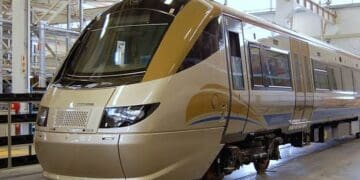
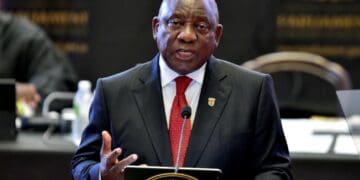
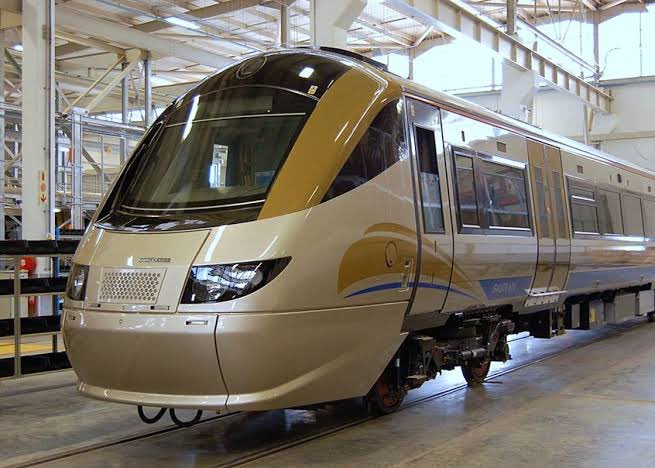
Gauteng Premier Panyaza Lesufi confirmed during his State of the Province Address (SOPA) in Nasrec, Johannesburg, on Monday, that the Gautrain infrastructure will be fully owned by the people of Gauteng by the end of March 2026, following the conclusion of its private-sector concession.
“To maximise this investment, we will expand the Gautrain to Soweto, Mamelodi, Springs, Atteridgeville and Fourways,” Lesufi said.
He added that the province is finalising a new concessionaire to manage the network over the next 15 years as part of the Integrated Transport Master Plan (ITMP), aimed at strengthening coordination between rail, bus, taxi and non-motorised transport systems.
“We welcome the adoption of the Integrated Transport Master Plan that begins to shift planning to action, using corridor-based investment and stronger integration of rail, bus, taxi and non-motorised transport,” Lesufi said.
Policy framework vs daily operations
For smaller operators, however, integration on paper does not always translate into operational collaboration.
Tshepang Mothopeng, owner of Nation Cabs, operates under the MT mode category for public passenger transport, providing both metered taxi and shuttle services. He said that while all passenger undertakings fall within the Integrated Transport Plan framework, practical alignment remains a challenge.
“The Gautrain is part of the Integrated Transport Plan, and all passenger transport undertakings are part of the ITP,” Mothopeng said. “But the Department of Transport has challenges in linking the policy framework to actual collaboration.”
He explained that although transport master plans and integration strategies have been extended, clearer mechanisms are needed to ensure smaller operators are meaningfully included.
“There needs to be better alignment between policy and how we operate on the ground,” he said.
Expansion brings both opportunity and uncertainty
In Mamelodi, shuttle driver Tebatso Madonsela said Gautrain expansion could reshape commuter patterns in ways that affect smaller operators.
“If the Gautrain expands into township areas, more commuters may choose rail for longer distances,” Madonsela said. “But people will still need transport from stations to their homes and workplaces. That creates an opportunity for last-mile services.”
He added that improved infrastructure could support operational efficiency, provided small businesses are included in planning discussions.
“Better roads and organised transport hubs help us run smoother services. The key issue is whether small operators are actively considered in these developments,” he said.
Infrastructure as economic catalyst
SOPA also highlighted infrastructure projects in areas such as Vereeniging, positioning them as drivers of job creation and improved mobility.
Lesufi said infrastructure development remains central to economic revitalisation, noting that the private sector must play a critical role.
“The private sector is at the centre of our economic revitalisation,” he said.
While Gautrain expansion and integrated planning signal long-term transformation of Gauteng’s mobility network, small operators say measurable collaboration, regulatory clarity and structured engagement will determine whether they benefit meaningfully from the province’s transport reforms.