









































The City of Tshwane has approved the Informal Trade and Township Economy By-law, a move expected to create a more enabling operating environment for traders and small businesses across the informal and township economy.
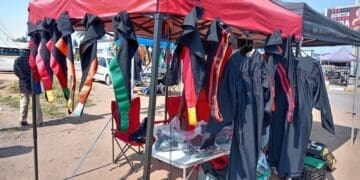
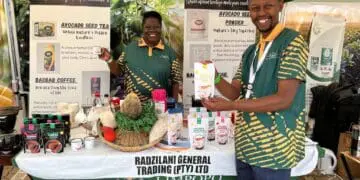
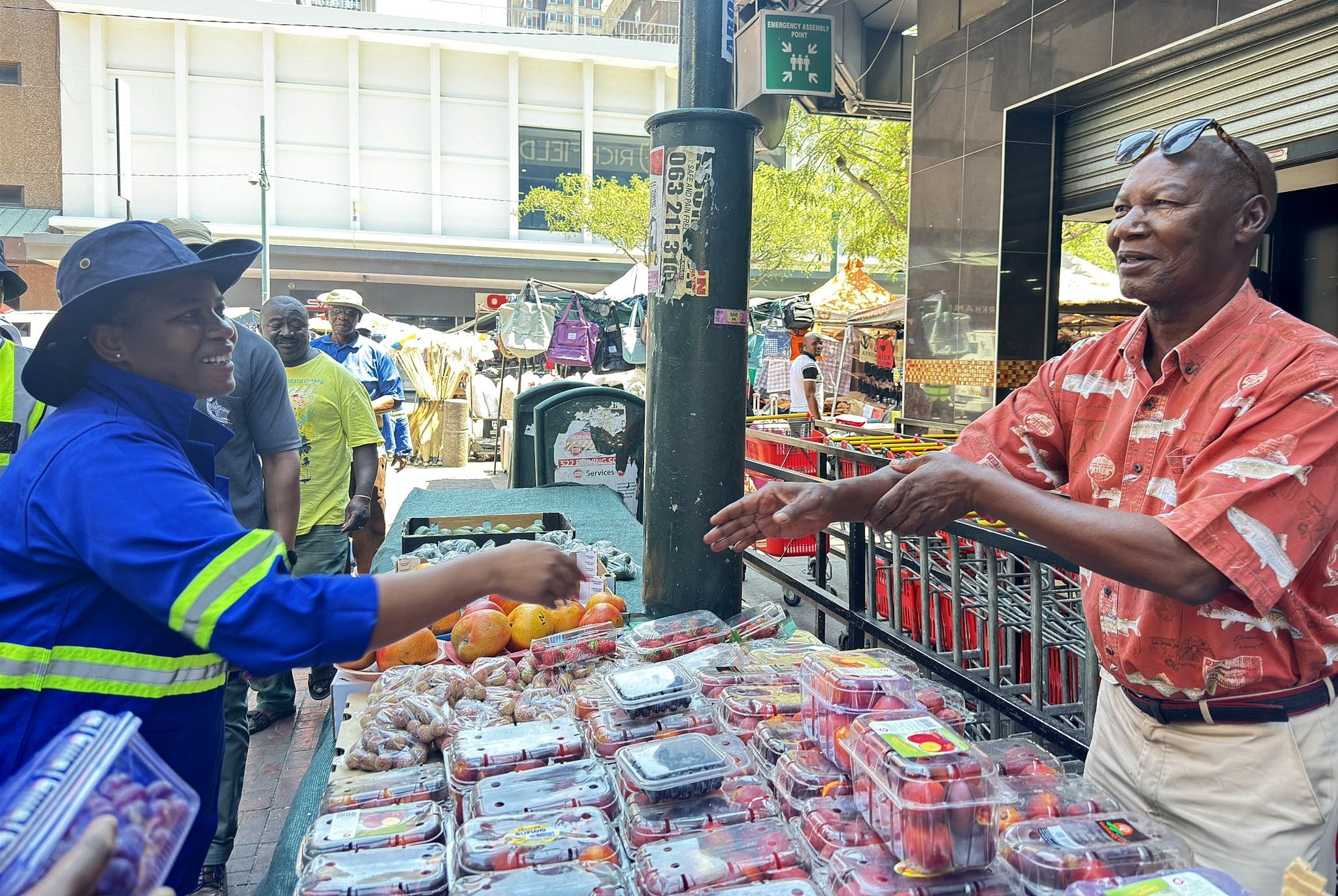
The new by-law expands formal recognition beyond traditional street trading to include spaza shops, home-based enterprises, township businesses, traders operating in malls and flea markets, mobile traders, and businesses working from stalls and containers.
City officials say the by-law is aimed at aligning regulation with the realities of how township and informal businesses operate, while ensuring fair treatment, access to support and clearer rules for compliance.
Why the new by-law matters for traders
For many informal and township traders, operating conditions have often been uncertain, with inconsistent enforcement and limited access to infrastructure and support.
The approved by-law introduces clear rights and responsibilities for traders, while spelling out the City’s role in providing basic infrastructure, regulation, training, and fair enforcement.
“This by-law is about creating certainty and dignity for traders who are already contributing to the economy; it recognises that informal and township businesses are not temporary activities, but an important part of Tshwane’s economic fabric,” said Portia Lentsoane, an informal trader in Mamelodi.
Traders are expected to comply with registration and operating requirements, while the City commits to a more coordinated and supportive approach to regulation.
Rapid growth in Tshwane’s informal economy
The policy shift comes as Tshwane’s informal economy continues to grow rapidly. According to the City, the sector recorded 33% growth in one year, creating an estimated 57,000 new jobs between September 2024 and September 2025.
This growth highlights the informal economy’s role in creating livelihoods, especially at a time when formal job creation remains under pressure.
“The informal economy is one of Tshwane’s strongest job creators, supporting this sector is not optional, it is essential for inclusive growth and economic resilience, and we also need rules to help traders plan, invest and grow. When enforcement is fair and consistent, informal businesses are more likely to formalise and scale.” Said Tredy Mashaba, a trader at Sammy Marks, Pretoria.
Building a more inclusive township economy
The city has positioned the by-law as part of its broader strategy to revitalise Tshwane’s economy and attract investment that works alongside township and informal businesses rather than displacing them.
For traders on the ground, formal recognition is seen as a step toward stability and growth. Zwelakhe Mzobe, a township-based spaza shop owner, said, “Being recognised by the city gives us confidence to improve our business. We want to comply, but we also want support and fair treatment.”
As implementation begins, attention will turn to how effectively the City rolls out trader education, infrastructure provision and consistent enforcement to ensure the by-law delivers real economic impact.