


















































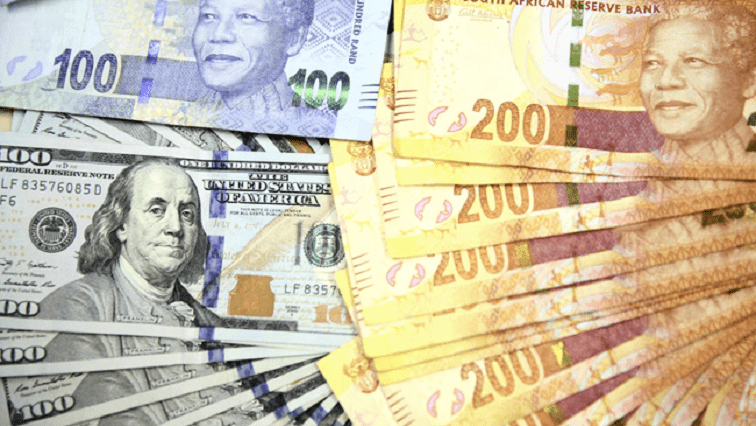
South Africa’s rand has started 2026 at its strongest level since 2022, extending a rally that saw the currency appreciate by nearly 13% against the US dollar in 2025. The improved performance reflects growing investor confidence, supportive global financial conditions and strengthening domestic fundamentals.
For South Africa’s small, micro and medium enterprises (SMMEs), which form the backbone of the economy, the stronger rand brings a combination of cost relief, improved certainty and new growth opportunities at a time when many small businesses are still rebuilding after years of economic pressure.
Much of the rand’s recent strength has been underpinned by improved domestic confidence. Investec chief economist Annabel Bishop said South Africa’s growth fundamentals began gaining traction in the second half of 2025, helping drive a more structural improvement in the currency.
“SA’s growth fundamentals are increasingly seen as gaining in traction, allowing for a build in investor confidence and so a structural improvement in the rand, particularly in the second half of 2025. The country’s removal from the greylist, a credit rating upgrade from S&P and an uncontested budget, with the Finance Department making gains on fiscal consolidation and eradication of wasteful and inefficient expenditure,” Bishop said.
She added that South Africa’s removal from the Financial Action Task Force (FATF) greylist was a key signal to global investors, as it recognised progress in strengthening governance and tackling corruption. Sentiment has also been supported by the extended absence of load shedding and gradual improvements in logistics, including ports and rail.
For SMMEs, these changes are more than abstract macroeconomic gains. Improved governance lowers compliance risks and transaction costs, while more reliable electricity supply and logistics reduce operational disruptions that disproportionately affect small manufacturers, retailers and agricultural businesses.
Looking ahead, economists expect these positive trends to carry into the new year. Johann Els, chief economist at PSG Financial Services, said the rand is likely to benefit in 2026 from the same factors that supported it in 2025.
“I can see the rand continuing to strengthen in 2026, and I will not be surprised to see a 15 handle on the rand,” Els said.
A stronger rand heading into 2026 suggests sustained investor confidence and a more stable macroeconomic environment. For SMMEs, this translates into greater predictability when planning investments, managing debt and negotiating supply contracts.
The most immediate benefit for many small businesses lies in reduced costs. SMMEs that rely on imported raw materials, machinery, fuel, software or spare parts benefit directly from a stronger rand, which lowers the rand cost of these inputs. This can ease pressure on margins and, in some cases, allow businesses to stabilise prices for consumers.
Businesses with foreign-currency loans or supplier credit also stand to gain, as the rand value of repayments declines, freeing up cash flow that can be redirected toward working capital, expansion or job creation.
At the same time, a stronger rand helps contain inflation by reducing the cost of imported goods and fuel. Lower inflation supports household purchasing power, which is critical for small businesses that depend heavily on domestic demand.
While exporters may face challenges from a stronger currency, economists argue that the broader small business sector benefits from improved operating conditions. Economist Frederick Mitchell of Aluma Capital said a stronger rand provides important breathing room for SMMEs focused on local supply chains and services.
“A stronger rand lowers the cost of imports and foreign debt servicing and supports domestic purchasing power. For SMMEs focused on local supply chains, manufacturing and services, this environment provides space to invest in productivity and growth,” Mitchell said.
He added that periods of currency strength can be used strategically by small businesses to upgrade equipment, secure longer-term supplier contracts and improve efficiency, helping them remain competitive even if economic conditions shift.
Despite the positive outlook, analysts caution that currency movements remain volatile and that SMMEs should not assume current levels will persist indefinitely. Instead, businesses are encouraged to use the current stability to strengthen balance sheets, diversify supply chains and improve resilience.
The rand’s strong start to 2026 reflects deeper improvements in South Africa’s economic and governance landscape.If current trends hold, 2026 could offer a more supportive environment for small businesses to stabilise operations, invest in growth and benefit from renewed confidence in the South African economy.
Azwi@vutivibusiness.co.za