








































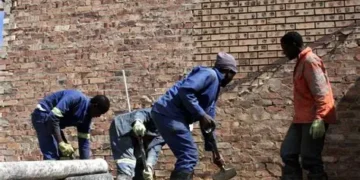

The City of Tshwane has approved an additional R8 million for upgrades at the Tshwane Market in Marabastad, Pretoria, bringing total capital investment for the 2025/26 financial year to R13 million, a 160% increase from the initial R5 million allocation.
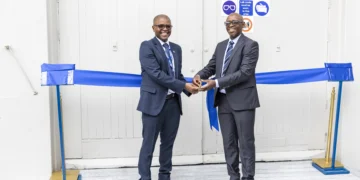
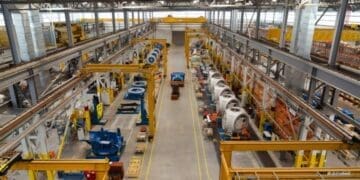
The funding will go towards upgrading fruit ripening rooms and doubling pallet storage capacity in cold rooms, aiming to accommodate higher trade volumes and improve service to traders.
MMC for Economic Development and Spatial Planning, Sarah Mabotsa, said the investment is intended to strengthen the market’s competitive position and protect its revenue streams.
“The upgrading of the ripening centre and the purchase of additional racking space for our cold storage facilities will increase the capacity of the Tshwane Market,” Mabotsa said.
She added that the funding also seeks to reverse years of declining capital investment, which had limited opportunities for expansion and job creation.
Traders feel the pressure
For traders on the ground, however, the true measure of success will be whether the improvements reduce spoilage and improve daily earnings.
“When there isn’t enough storage, you rush to sell before your stock goes bad. Sometimes you end up dropping prices just to avoid losses. Enough storage will help us keep produce fresh for longer and avoid selling at very low prices,” said Sipho Mokoena, a vegetable trader who supplies township spaza shops in Soshanguve.
Nomsa Dlamini, who sells fruit at the market, said improved ripening facilities could make a big difference.
“If bananas or tomatoes start going soft, customers don’t want them. Then you must reduce the price or throw them away. If the ripening rooms are better managed, it helps everyone,” she said.
Infrastructure vs real impact
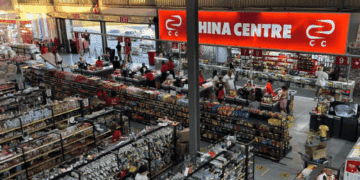
The Tshwane Market is one of the largest fresh produce markets in South Africa and plays a critical role in supplying retailers, informal traders, and township vendors. For many small traders, margins are thin, and quality determines survival.
While the new investment promises expanded handling capacity and better space utilisation, traders caution that infrastructure alone won’t solve all challenges.
“We just hope small traders won’t be pushed aside. Big suppliers have more power. We need to see that this helps everyone,” Dlamini added. “If we can reduce waste and sell more fresh stock, then it’s a good investment. But we need to see it working on the ground.”
As construction and upgrades roll out, small traders and farmers alike will be watching closely to see whether the City’s increased capital injection translates into stronger profits rather than just improved facilities.