

















































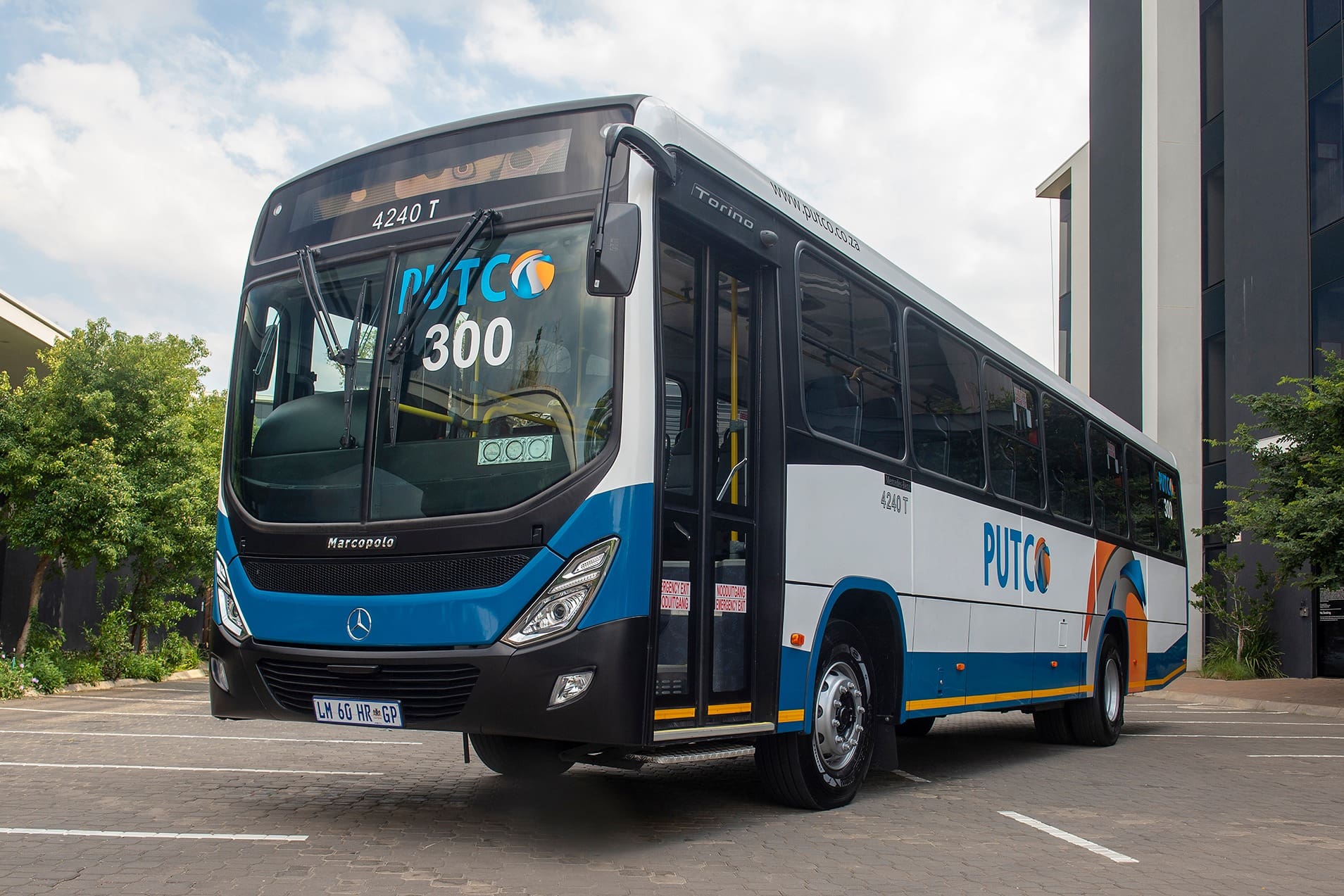
Bus company Putco’s enforcement of its excessive luggage policy has brought renewed attention to an often-overlooked reality in township economies that, for many SMEs, public buses double as an informal logistics network.
Traders and small retailers who rely on the bus service to transport stock say stricter luggage controls could disrupt operations, increase concerns among traders who fear being denied boarding or having to reduce the volume of stock they transport per trip and place additional strain on already fragile businesses.
Putco runs a daily service between the city of Pretoria and settlements in the former KwaNdebele homeland, ferrying thousands of commuters daily. Some of them are informal and formal traders who use the bus service to transport the stock they purchase from the city back to their homelands.
However, in recent weeks, Putco has placed restrictions on the transportation of goods, citing safety concerns for commuters.
Putco’s position
Putco spokesperson Lindokuhle Xulu said the excessive luggage policy is primarily aimed at ensuring passenger safety and comfort.
“Our responsibility is to ensure the safety and comfort of all passengers. Items that obstruct aisles, emergency exits or seating pose a safety risk. The policy is in place to maintain compliance with operational standards and protect commuters,” he said.
Xulu added that while the company recognises that some passengers transport goods for resale, its buses are designed primarily for passenger transport rather than cargo.
Public transport as an informal supply chain
But for traders like Emma Mahlangu, an artchaar seller in Kwa Ndebele who stocks in bulk at Marabastad in Pretoria and uses a Putco bus, the bus service is central to sustaining her business.
“Hiring a van costs a lot [of money], and I don’t own a car, so the bus is my means of moving stock. If I can’t carry enough goods at once, I must either make more trips or hire a taxi, and that costs more money,” she said.
Mahlangu explained that purchasing stock in bulk allows her to negotiate better prices from suppliers and reduce the number of trips she makes each month. However, any restrictions on the volume of goods she can transport at one time could significantly affect her margins.
“When I buy in bulk, I save money and make a better profit. If I’m forced to reduce my stock because of luggage limits, it means I sell less or spend more on transport. Either way, my business suffers,” she added.
Sipho Maseko, a vegetable and fruit vendor, said transporting stock in bulk is essential for keeping prices competitive.
“When I buy more at once, I save on transport and sometimes get better prices from suppliers. If I’m limited on what I can carry, it affects how much I can stock and how much profit I make,” he said.
Maseko added that the policy could make it harder for small businesses to survive and urged Putco to reconsider its decision.
“I understand the need for safety, but for small traders like me, the bus is part of our business. I’m pleading with Putco to find a way to accommodate us without compromising passenger comfort,” Maseko said.
The business impact
For small enterprises operating on thin margins, the ability to transport sufficient stock in a single trip can determine profitability. Making multiple trips increases transport costs and reduces time available for trading. Hiring private vehicles or taxis adds further financial strain.
Recent research shows that transport costs are rising sharply for South African small businesses, with infrastructure inefficiencies cited as a key driver. A Small Business Growth Index found that transport expenses increased by 60.9% in the past year, contributing to higher overall operating costs for SMEs nationwide.