


















SMEs in the tourism sector are preparing to capitalise on growth, but not without reservations following President Cyril Ramaphosa’s pronouncements on the industry during the 2026 State of the Nation Address (SONA).
Ramaphosa noted during the SONA that tourism is a vital driver of economic growth, with every 13 international tourist arrivals supporting one job and that last year the sector made history last year, recording the arrival of 10.5 million visitors.
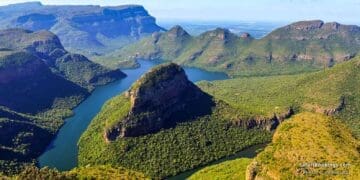
“We must now promote unique cultural, historical and natural attractions that reflect the country’s identity. This can include traditional festivals, local crafts, historical sites and natural landscapes across our country and in rural areas as well,” Ramaphosa announced.
The message has resonated with operators in the sector. In Limpopo, provincial tourist guide Gedion Mokwena said he is focusing on showcasing the province’s cultural, historical, and natural attractions.
“I will work with local tourism operators, accommodation providers, and communities to create immersive experiences,” he explained.
While he believes ETA expansion and faster visa processing will boost bookings, he noted that scaling up will require additional support.
“We need skills development, marketing assistance, and infrastructure upgrades to enhance visitor experiences and create sustainable jobs,” he explained.
In the Free State, Mfundo Ngcangca of Shepherd Tourism Tours is aligning his business with global markets through compliance alignment, cultural intelligence training, and strategic partnerships.
“The expansion of the ETA system and faster visa processing will streamline the travel process and enhance the overall experience for travellers,” he said. Ngcangca added that enhanced security measures, such as biometric verification, could further strengthen confidence in the destination.
In Johannesburg, Tsakane Baloyi, founder of TK Travel Agency, said her company is strengthening its international footprint through platforms such as WTM Africa and Africa’s Travel Indaba.
“International arrivals are increasing, and the market opportunity is evident. However, for SMEs to sustainably benefit, structured support is required during the scaling phase,” she said, calling for targeted incubation and human resource assistance programmes.
Baloyi also raised concerns about the limited participation of SMEs in visa facilitation initiatives. “Programmes such as the Trusted Tour Operator Scheme have largely favoured bigger agencies capable of handling large volumes and meeting strict compliance thresholds. Many SMEs were excluded,” she explained. Still, she remains optimistic.
“Our strength lies in flexibility, partnerships, and shared growth models.”
Guarding against corporate overshadowing
As tourism contributes roughly 9% to GDP, youth advocates warn that growth could concentrate benefits among large international chains if policy interventions are not deliberate.
Matlakala proposed a Youth Equity Set-Aside, which would mandate a percentage of public tourism procurement and infrastructure spending for youth-owned enterprises. He argued that without intentional policy safeguards, small operators risk being overshadowed as the sector scales.
SMEs also stressed the importance of support for the digital transition. While the ETA addresses entry barriers, smaller operators continue to compete with dominant global online travel agencies. Without grants and digital training, many risk being sidelined in the booking ecosystem.
Looking ahead – from momentum to measurable impact
The 10.5 million arrivals mark a significant milestone, but stakeholders agree that numbers alone do not equal transformation.
The coming phase will test whether improved access translates into higher-skilled youth employment, stronger intra-African mobility, and equitable SME participation. Infrastructure investment, procurement reform, and capacity-building will determine whether rural and township economies share in tourism’s expansion.
As Matlakala puts it, “The numbers are promising. But unless we are intentional about inclusion, we risk celebrating growth that does not fundamentally transform who benefits from tourism.”
South Africa’s tourism jewel is shining. The question now is whether its value will be broadly shared or narrowly held.