


























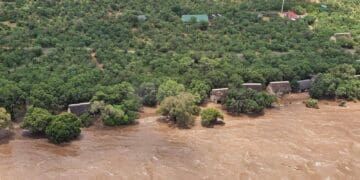












As heavy rains continued to pound Limpopo province during March, overflowing rivers and swollen dams have transformed familiar landscapes. Roads and fields have turned into temporary waterways, bridges are submerged, and low‑lying areas remain under water.
Amid the danger and disruption, an unexpected form of grassroots entrepreneurship is emerging. Residents are catching and selling fish displaced by the floodwaters, turning nature’s turbulence into new economic opportunities.
Fish wash-in and locals cash in
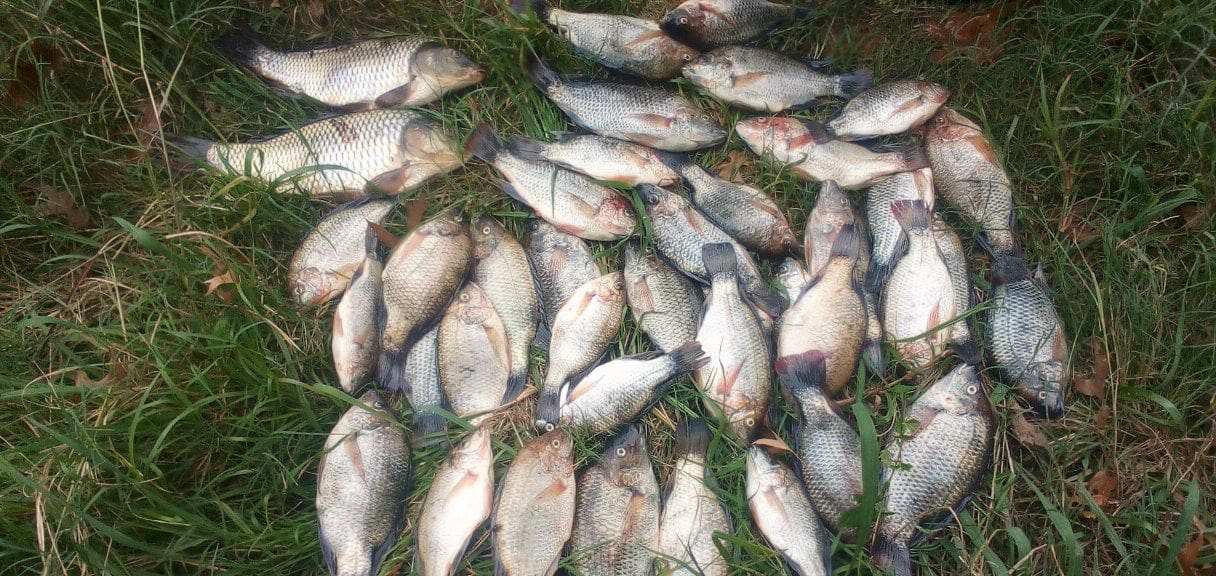
Floodwaters have swept fish out of dams and deep river channels, carrying them into roadside hollows, passing through flooded bridges, shallow pools, and temporary ponds near villages. For some residents, this abundance has become a source of income
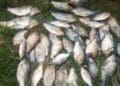
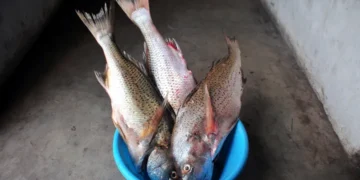
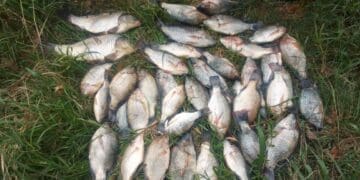
In communities across Vhembe, people are now catching and selling fish such as tilapia, freshwater carp and maasbanker, also known as the largemouth bass. These fish are being sold fresh or cooked, creating a small informal business for many households.
Prices vary depending on size and preparation. Vendors say three small raw tilapia sell for around R50, while a 5 litre bucket of fish can fetch up to R350, depending on the catch. Cooked fish is also popular, with small singles of fried tilapia or maasbanker selling for about R12, while larger ones go for around R18.
“I caught tilapia and catfish near the bridge this morning,” said Avhatendi Tshishonga, a resident who sells fish in Niani village.
“This rain is a blessing in disguise for some of us. We are catching fish and reselling to make profit.”
Small business born of necessity
Entrepreneurs are not only selling raw fish but are also adding value by preparing meals on the spot, attracting customers from nearby communities and passing traffic.
One popular method is frying fish with seasoned spices in hot cooking oil. The fish is then served with pap or rice, making it a simple but satisfying meal that sells well in the rainy season.
“Fellow villagers like fried fish with pap in this rainy season, so I order them from fishermen and prepare them daily,” said Vhugala Libago, a street vendor in Thohoyandou.
“I clean them and sell them quickly because people are looking for fresh fish.”
With minimal costs and fish available close to home, locals are covering daily expenses like groceries, transport, and school needs. Authorities warn that floodwaters can be dangerous, and fish should be properly cleaned and cooked.