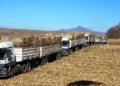





































In South Africa’s rural heartlands, the forestry sector is often regarded as a quiet economic engine, supporting jobs, small businesses, and local livelihoods.
According to Forestry South Africa (FSA), the sector contributes approximately R8 billion to the national GDP and supports over 150,000 jobs, while downstream industries add an additional R58 billion.
But despite these impressive numbers, the main challenge remains: are small-scale growers and rural SMMEs truly benefiting, or do they continue to face barriers to accessing support and markets, making them dependent on larger companies?
“This sector is far more diverse than people realise,” said Dr Ronald Heath, Director of Research and Protection at FSA. “It’s not just about large companies and timber products. There are thousands of smaller growers and contractors whose futures rely on how the industry evolves.”
Programs aimed at rural entrepreneurs
Programs like Sappi’s Khulisa initiative and Mondi Zimele aim to support rural entrepreneurs with funding, technical expertise, and market access. Khulisa, for instance, works with over 4,400 small-scale growers and 1,000 SMMEs, supplying nearly 6 million tonnes of timber and creating an estimated R4 billion in value.
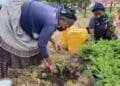
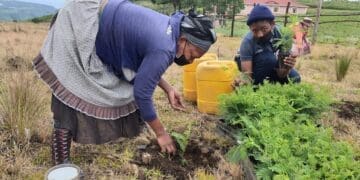
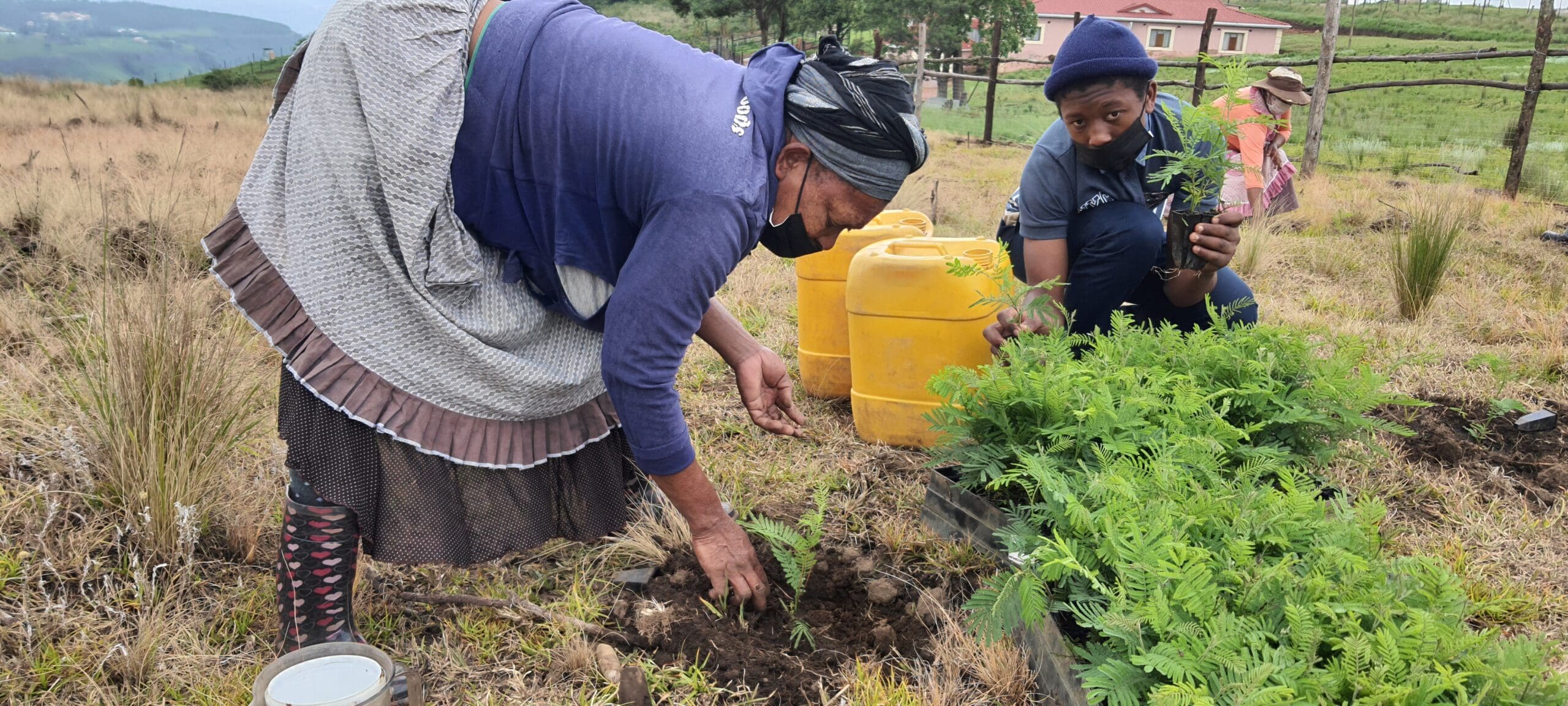
Yet for farmers outside formal cooperatives, access remains limited. Zithobile Mchunu, a small-scale crop farmer from Ixopo, KwaZulu-Natal, said most of these programmes help people within the selected clusters or cooperatives.”
She explains that she uses traditional tools—plow, spade, or fork—depending on how hard the soil is, and delays in accessing equipment make it difficult to start planting on time.
“If there was enough machinery,” she said, “nothing would stop us from ploughing season to season. It would make planting tasks much easier, increase efficiency, and reduce the need for expensive manual labour.”
Her wish list for better support includes water systems or boreholes, proper fencing, suitable fertilizers and chemicals, as well as training and workshops.
“These resources could boost yields, stimulate downstream employment, and help farmers market their produce locally and internationally,” she adds.
Small growers create R4billion in value
Some initiatives are already making a difference. Sappi’s Khulisa program supports over 4,400 growers and 1,000 small businesses, supplying almost 6 million tonnes of timber and creating R4 billion in value. Mondi Zimele helped 24 contracting SMEs secure R29.5 million in funding in 2025, opening doors for rural entrepreneurs.
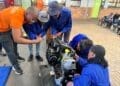
Skills programs also help. Mondi’s Semi-skilled Artisan Initiative and Merensky’s Komazi Woodwork Project train youth in practical skills, preparing them for employment and entrepreneurship. The Komazi project also supports local schools by producing desks and furniture.
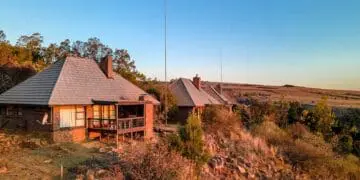
Forestry isn’t only about wood. Tourism and conservation are growing too. The Sappi Trails Programme in KwaZulu-Natal increased visitors by nearly 900%, supporting more than 3,000 jobs. Conservation projects have rehabilitated endangered plants like the Pepperbark tree, reclassified from endangered to vulnerable thanks to community partnerships.