
















































Small businesses and transport-dependent operators are welcoming the latest fuel price cut, saying it offers much-needed relief after months of rising operating costs that have squeezed already thin margins.
For many SMEs, fuel remains one of the biggest expenses, affecting everything from daily transport to stock deliveries.
The Department of Mineral and Petroleum Resources confirmed that fuel prices dropped from Wednesday, 7 January, following a review of both local and international factors.
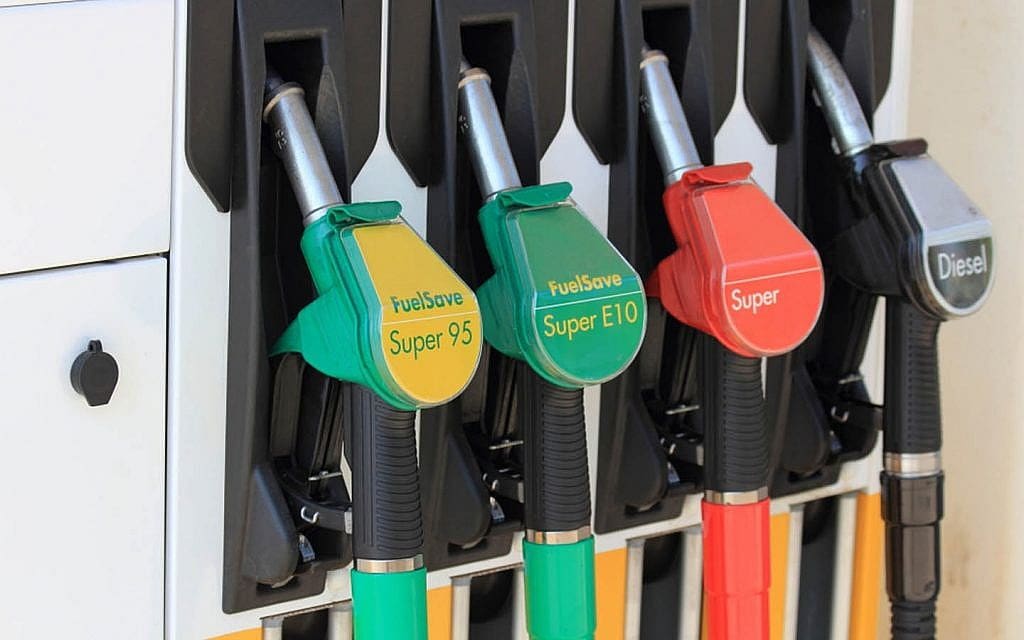
Petrol 93 fell by about 62 cents per litre, petrol 95 by around 66 cents per litre. Diesel saw sharper reductions, with diesel 0.05% sulphur dropping by R1.37 per litre and diesel 0.005% sulphur by R1.50 per litre. Illuminating paraffin also became cheaper, falling by between R1.10 and R1.48 per litre.
The reductions were driven by improved global oil supply conditions and a stronger rand against the US dollar, which lowered South Africa’s basic fuel price. Lower international crude oil prices, combined with favourable exchange rates, contributed to the decline.
The fuel cuts come at a critical time, following a tough end to 2025 that saw business activity contract for a third consecutive month, placing added pressure on households and small enterprises.
Many operators who rely on transport daily, the timing could not be better. Taxi operator Mandinda Lutendo, who ferries passengers between Dzwerani and Thohoyandou, said the drop comes as people return to work after the holidays.
“Fuel is honestly our biggest cost every month,” Mandinda said. “Even a small drop now makes a big difference. I don’t have to keep thinking about raising fares for passengers, and they don’t have to pay more. It just takes some pressure off, you know? Especially with the new year and people going back to work, it really helps.”
Fuel costs are also a major concern for small businesses that move goods regularly.
Blessing Mkhabela, who runs a furniture removal service in Pretoria North, said lower diesel prices help the business keep running smoothly.
“We are driving every day, moving furniture for short trips around town or long trips outside the city,” Mkhabela said. “When fuel is expensive, it hits us hard, and it’s hard to make any money. A drop like this actually lets us plan better, deliver goods without worrying, and still pay the drivers properly. It’s a relief, especially at the start of the year,” Mkhabela said.
Masingita Mthombeni, who travels from Atteridgeville to sell fresh produce in Marabastad, said the reduction gives her some real relief.
“I’m on the road every morning to get my stock to Marabastad, fuel is always one of my biggest costs. Even a small drop like this makes a difference. It means I can keep my prices steady for my customers and still make enough to cover my daily expenses. Some days, that little saving is what decides if I finish the day in the black or not.”
Fuel costs don’t just affect small businesses, they also make a difference in people’s everyday lives. Even small drops in price can really help those who drive daily.
“Even a 60-cent drop helps,” said Thandi Mokoena, who drives to work and runs errands almost every day. “I can use that money for groceries or school costs, and by the end of the month, it really makes a difference.”
As 2026 gets underway, these fuel cuts offer practical relief, showing how changes in global oil markets and currency shifts can ease everyday costs for both small businesses and ordinary South Africans.
However, Firstsource Money economist and executive director Redge Nkosi told Newzroom Afrika that lower fuel prices alone won’t solve the country’s wider economic challenges.
“I don’t think we can quickly think that by simply having such positive indicators, like lower fuel prices or short-term relief in some sectors, that the economy is going to be a very happy one for us going forward. There are still deeper issues that need to be addressed for growth to be sustainable,” Nkosi said.