












































Small businesses across South Africa are bracing for a sharp rise in costs as fuel prices are expected to increase in April, driven by global oil tensions.
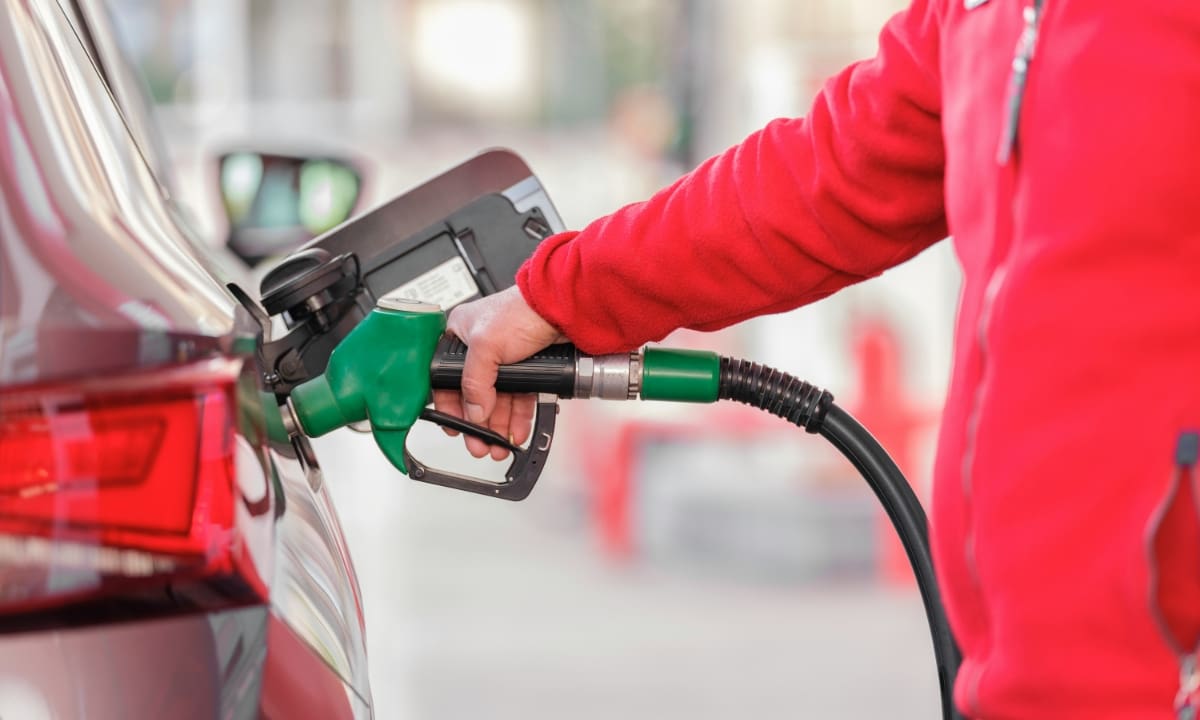
New data from the Central Energy Fund shows that petrol under recoveries have reached between R5.24 and R5.76 per litre. Diesel has risen even more sharply, now sitting between R9.86 and R10.00 per litre. Illuminating paraffin has reached R11.46 per litre.
If these levels hold, the increases expected from 1 April could be the largest ever recorded in the country’s history.
Global tensions push oil prices higher
The surge in local fuel prices is being driven by rising global oil prices. Brent crude oil, the main international benchmark, has climbed to between $85 and $90 per barrel in recent weeks.
The increase follows growing tensions in the Middle East, involving the US-Iran war. Analysts fear that the conflict could disrupt oil supply through the Strait of Hormuz, a key shipping route that carries about a fifth of the world’s oil.
Minister of Mineral and Petroleum Resources Gwede Mantashe said the situation is largely outside South Africa’s control.
“The main contributing factors are geopolitical tensions which may disrupt crude oil supply,” Mantashe said.
He added that South Africa imports most of its fuel, making it highly exposed to global price changes.
Logistics sector under pressure
The biggest impact is expected in the transport sector, where diesel is a major cost.
If diesel rises by close to R10 per litre, prices could reach around R28.60 per litre. This would be higher than the previous record of R25.53 set in July 2022.
For small logistics operators, the increase from 1 April might change how they do business.
In Pretoria, Blessboy Logistics delivers goods from retailers to customers. Owner Itumeleng Bosoga said the hike will hit hard.
“Diesel is everything for us. If it goes up by close to R10, we cannot survive without increasing our prices for customers,” Bosoga told Vutivi Business News.
He added that fuel is one of biggest costs in business.
“When it rises this fast, it affects the whole supply chain,” he said.
Paraffin users hit the hardest
The sharp increase in illuminating paraffin is expected to hit small informal businesses the hardest.
In many townships, food vendors rely on paraffin to cook.In Marabastad, trader Nomsa Khumalo said the increase will affect her business.
“I use paraffin every day. If the price goes up like this, I will have to increase my food prices. My customers are already struggling,” she said.
Industry bodies say the impact will be felt across the economy.
Layton Beard, spokesperson for the Automobile Association of South Africa, said fuel prices affect daily life.
“When fuel prices increase, transport becomes more expensive. That cost is passed on to food and other goods,” Beard said.
The Fuels Industry Association of South Africa has also raised concern.Executive director Avhapfani Tshifularo said global oil market pressure is driving the increase.
“We are seeing strong pressure from international oil markets, and this is affecting local fuel prices,” Tshifularo said.
Since most goods in South Africa are transported by road, higher diesel costs will push up the price of food and other basic items.
An additional fuel tax increase of about 21 cents per litre will also take effect in April, adding further pressure.
While final prices will be confirmed at the end of March by the Ministry of mineral resources and energy, the outlook is clear. Rising global oil prices and international tensions are pushing fuel costs higher, and small businesses are likely to feel the impact first.