




















































Biometric identity solutions are emerging as a potential answer to one of the most persistent challenges facing small businesses in South Africa’s growing digital economy: how to verify customers and secure payments in an increasingly online marketplace.
As digital transactions expand across retail, services and e-commerce, SMEs are under pressure to adopt faster and more efficient payment systems. However, this shift has also exposed gaps in identity verification, leaving many businesses vulnerable to fraud, failed transactions and disputes that directly affect cash flow.
At the same time, policymakers and financial institutions are moving toward modernising payment infrastructure, raising questions about whether identity systems will become a critical layer in enabling safer and more inclusive participation for small firms.
Identity verification becomes central to digital payments
The growth of digital payments has introduced convenience for both businesses and consumers. Still, it has also increased the complexity of verifying the identity of the other party to a transaction. For SMEs, particularly those operating online, the inability to confirm customer identity can translate into financial losses and operational risk.
Globally, payment systems are evolving toward instant, low-cost transactions, but these systems rely heavily on strong authentication measures to prevent misuse. Without reliable identity verification, faster payment rails can amplify fraud risks rather than reduce them.
This creates a structural challenge for SMEs, which often lack the resources to implement sophisticated fraud prevention tools, leaving them exposed in an environment where transaction volumes are rising but trust mechanisms are still developing.
Biostation positions biometric identity as a solution
It is within this context that Biostation, a company focused on biometric identity technology, is positioning its offering. Speaking on the sidelines of the Proudly South African Expo, company representative Leonardo Araujo said identity verification is becoming a foundational requirement for modern financial systems.
“We are seeing that as payment systems become faster and more accessible, the need to verify identity securely becomes even more important,” he said. “Biometric solutions allow businesses and institutions to confirm that a person is who they say they are, in real time.”
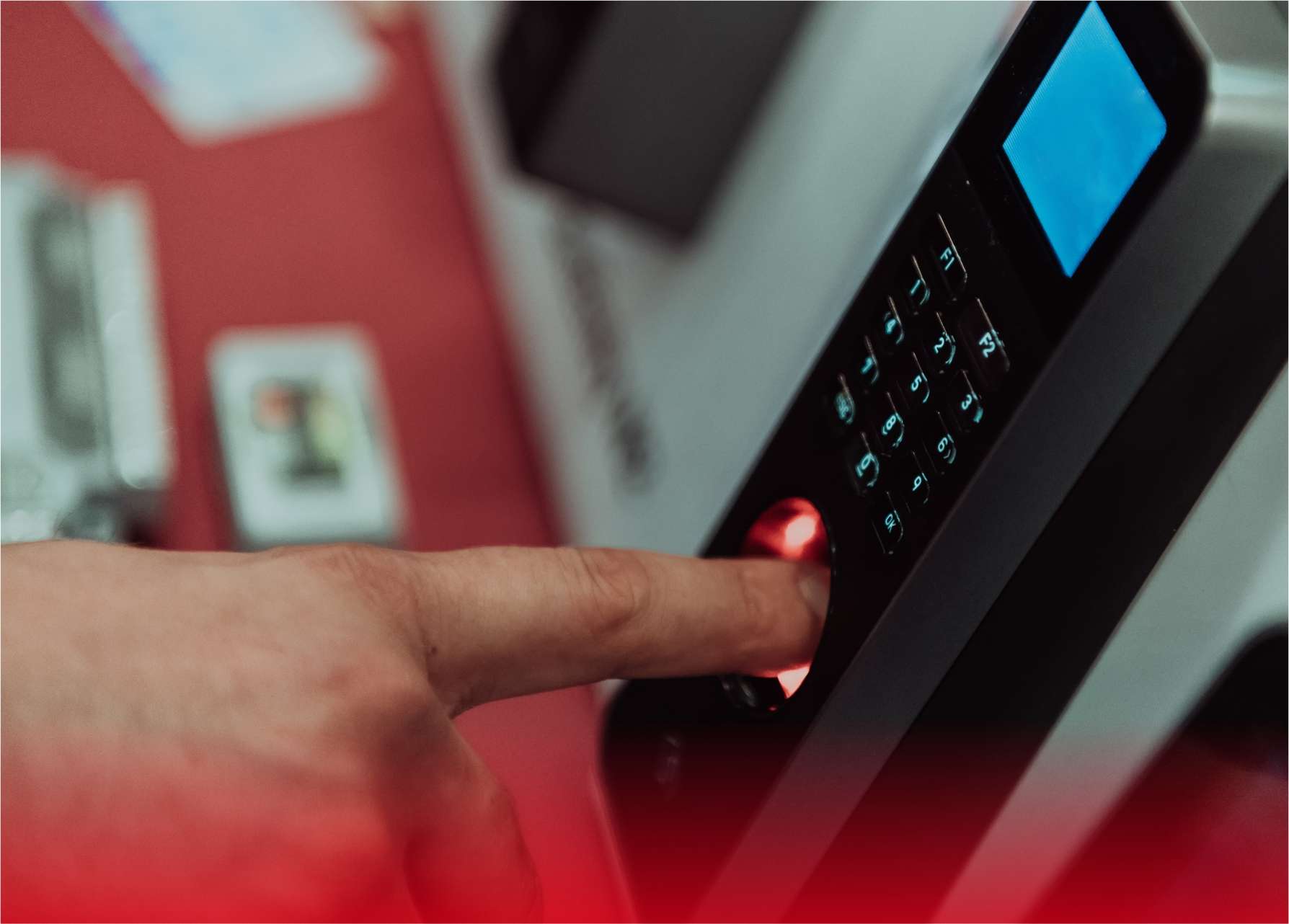
Araujo explained that biometric systems, which use physical identifiers such as fingerprints or facial recognition, are already being integrated into banking and payment environments in several markets. These systems aim to reduce fraud by linking transactions directly to verified individuals rather than relying solely on passwords or card details.
“Authentication is no longer just about access; it is about trust in the entire transaction process,” he said. “Without that trust, digital systems cannot scale effectively.”
What this could mean for SMEs
The implications of stronger identity systems could be significant, particularly for those operating in e-commerce or service-based industries where payments are made remotely.
Improved identity verification could reduce instances of fraudulent orders, chargebacks and payment disputes, all of which can erode already thin margins. It may also make it easier for small businesses to onboard customers and access financial services that require stringent verification processes.
However, the benefits are not guaranteed. Much will depend on how accessible and affordable these technologies become for smaller firms, many of which operate with limited budgets and technical capacity.
Adoption remains a key constraint
Despite the potential, the adoption of biometric identity solutions among SMEs is likely to face practical barriers. Integrating new systems into existing payment infrastructure can be costly, and smaller businesses may not immediately see a return on investment.
There are also broader considerations around data privacy, regulation and user acceptance, particularly in markets where digital trust is still developing.
Araujo acknowledged these challenges, noting that widespread adoption will depend on collaboration between technology providers, financial institutions and regulators. “For these systems to work at scale, they need to be accessible and integrated into the platforms businesses already use,” he said.
As South Africa continues to expand its digital economy, the question is no longer whether payment systems will evolve, but whether the supporting infrastructure, particularly around identity, will keep pace. For SMEs, the answer could determine how securely and effectively they are able to participate in the next phase of digital trade.