










































South Africa’s unemployment rate has eased slightly to 31.4%, but youth unemployment remains at a staggering 43.8%, raising questions about the sustainability of new jobs for young people.
Tourism stakeholders argue that the sector has strong labour-absorbing potential, particularly for youth, but structural and financial constraints continue to limit its impact.
Rural partnerships create opportunities
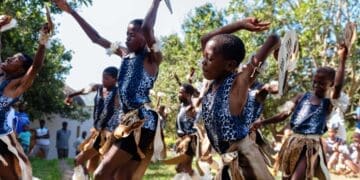
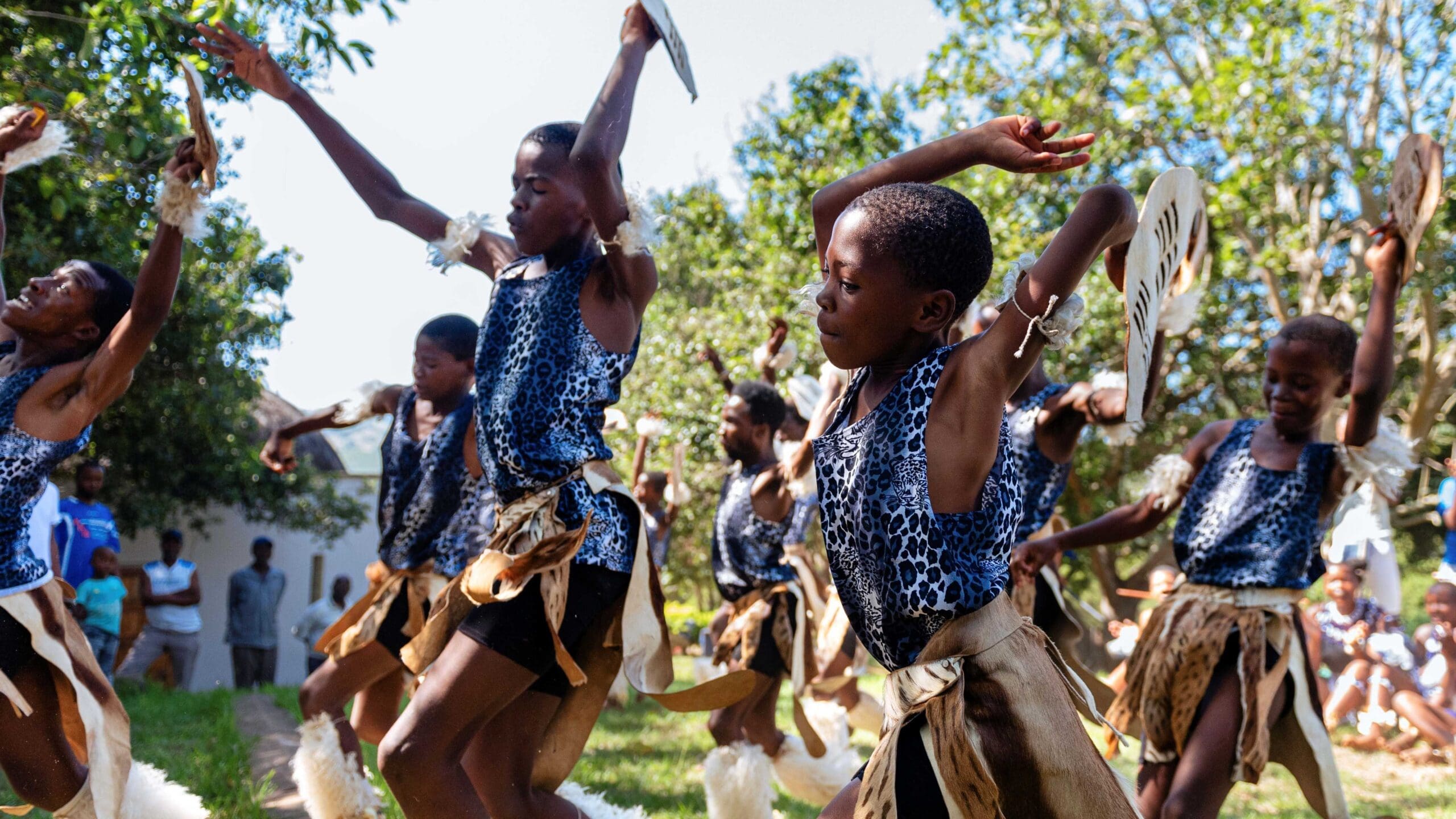
In KwaZulu-Natal’s KwaXimba area, Samkelo Mlaba, CEO of Isithumba Travels Adventure Park, highlighted how partnerships have helped expand employment opportunities in a rural community.
“We are grateful to have been selected as one of the deserving sites to receive 31 placements through the IDC’s SEF programme,” Mlaba said, referring to the Social Employment Fund administered by the Industrial Development Corporation.
He added that collaborations with UNICEF and international cruise operators, including AIDA Cruises working with Julnic Tours, have created part-time employment for local community members. “These partnerships contribute directly to creating part-time employment opportunities for members of our local community,” Mlaba said.
However, he cautioned that demand for jobs far exceeds what his business can provide. “With proper funding and collaboration, our site can serve as a structured platform to help reduce unemployment while strengthening community development,” he added.
Questions about job quality and sustainability
Prince Matlakala, co-founder of the African Youth in Tourism and Hospitality Association, welcomed the slight decline in overall unemployment but warned it may not reflect meaningful improvement for young people.
“The marginal decline in unemployment is encouraging. However, South Africa’s growth outlook remains insufficient to tackle unemployment meaningfully, and youth unemployment remains at a staggering 43.8%,” he said.
Matlakala noted that many tourism jobs remain seasonal or entry-level. “Many can only offer temporary or informal employment rather than sustainable, full-time jobs,” he said.
He further called for targeted funding for youth-owned and youth-employing SMEs, skills development in areas such as digital marketing and eco-tourism, and more effective public-private partnerships.
Domestic demand remains under pressure
In Limpopo, Akesa Mokhare, Marketing Manager at Fumani Game Lodge, said the easing of unemployment has yet to translate into increased domestic bookings. “While the slight easing of unemployment to 31.4% is good, on the ground, the improvement is not yet significantly reflected in domestic bookings,” he said.
He added that tourism has a multiplier effect across the economy. “When one lodge grows, it impacts guides, farmers, transport operators, artisans, and young creatives. With the right support, we can absorb far more youth into meaningful employment,” Mokhare said.
Industry calls for structural reform

Gustav Pieterse, Chair of FEDHASA Inland, described the employment situation as contradictory. “While the general unemployment rate has ticked down, youth unemployment has climbed to a critical level. The bridge between willing young talent and willing employers is broken,” he told Vutivi Business News.
He pointed to regulatory complexity and financial risk as barriers for SMEs. “The industry does not need another talk shop. We need a delivery mechanism,” Pieterse said, noting that initiatives such as the Tourism Action Lab aim to reduce red tape and create subsidised employment pathways.
A call for action
Stakeholders agree that tourism can play a stronger role in youth employment if funding, regulatory reform, and partnerships move beyond announcements to practical support. Rural collaborations, targeted youth funding, skills development, and strategic public-private partnerships are all seen as essential for turning tourism’s employment potential into sustainable opportunities for South Africa’s young workforce.
Related content: