

































South African small and medium enterprises (SMEs) are facing growing pressure as the country’s tax burden reaches record levels, with the prospect of further tax measures in the 2026 Budget adding uncertainty for business owners.
National Treasury data shows that South Africa’s tax-to-GDP ratio has climbed above 25%, the highest level since democracy.
While the government has avoided major headline tax hikes, businesses are paying more through indirect measures such as higher fuel levies and the continued failure to adjust personal income tax brackets for inflation.
For SMEs, these “stealth taxes” are squeezing already tight margins.
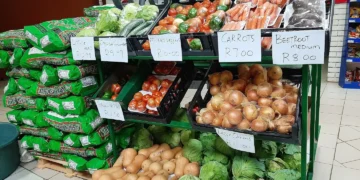
“Every month, the cost of stock and transport keeps going up, and I have to think twice before buying enough products for my customers,” said David Nengovhela, owner of a spaza shop in Dzwerani, Limpopo.
“Fuel, deliveries, and taxes eat into what I earn, and sometimes I have to decide between paying my suppliers or covering other bills. Even small increases in prices mean my customers can’t always buy as much, which affects my sales. Running this shop feels like a constant balancing act — I work long hours just to make sure the doors stay open, but it’s getting harder every month.”
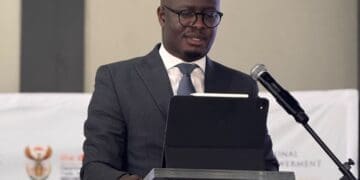
Finance Minister Enoch Godongwana told BusinessTech that a broader tax base, moderate tax rates, and better tax administration are needed to ensure sustainable revenue and support economic growth.
In other words, the government wants more people and businesses to pay taxes fairly, instead of overburdening the small group of formal businesses that currently carry most of the load. For SMEs, this could mean that future policy focuses on spreading the burden more evenly rather than relying on indirect taxes that immediately squeeze margins.
Treasury has also warned that additional tax measures worth R20 billion to R50 billion could be introduced in the 2026 Budget if revenue collection falls short. The final decision will depend largely on the performance of the South African Revenue Service (SARS) in the current fiscal year.
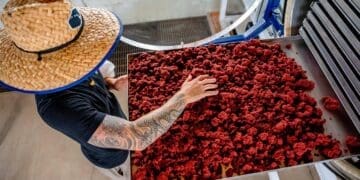
“This uncertainty makes it hard to plan,” said Bongeka Nkosi, owner of a small food-processing company in Matsulu that produces baked goods and packaged snacks. “We don’t know if we can hire more staff or invest in equipment, because any increase in taxes changes everything. We’re constantly recalculating costs just to stay afloat.”
Nkosi added, “Large companies can absorb these changes, but for small businesses, even a small increase in VAT or fuel costs can force us to delay projects or rethink our pricing.”
Tax specialists warn that if SARS fails to meet revenue targets, VAT is the most likely tax to be increased, given its ability to generate large amounts of revenue quickly. Any increase would put further strain on consumers, reduce spending power, and directly affect SME sales volumes.
Business organisations have repeatedly urged government to prioritise economic growth, broaden the tax base, and improve compliance particularly in the informal economy, rather than increasing pressure on already compliant businesses.
As the 2026 Budget approaches, SMEs are being forced to plan for higher taxes, whether through direct increases or continued reliance on indirect measures. Many are reviewing cash-flow projections, reassessing pricing strategies, and cutting back on expansion plans.
While government insists that no decisions have been finalised, business owners say the impact is already being felt. For SMEs operating on thin margins, rising tax pressure is no longer a future risk, it is a current reality shaping how they survive and grow in South Africa’s challenging business environment.