



















































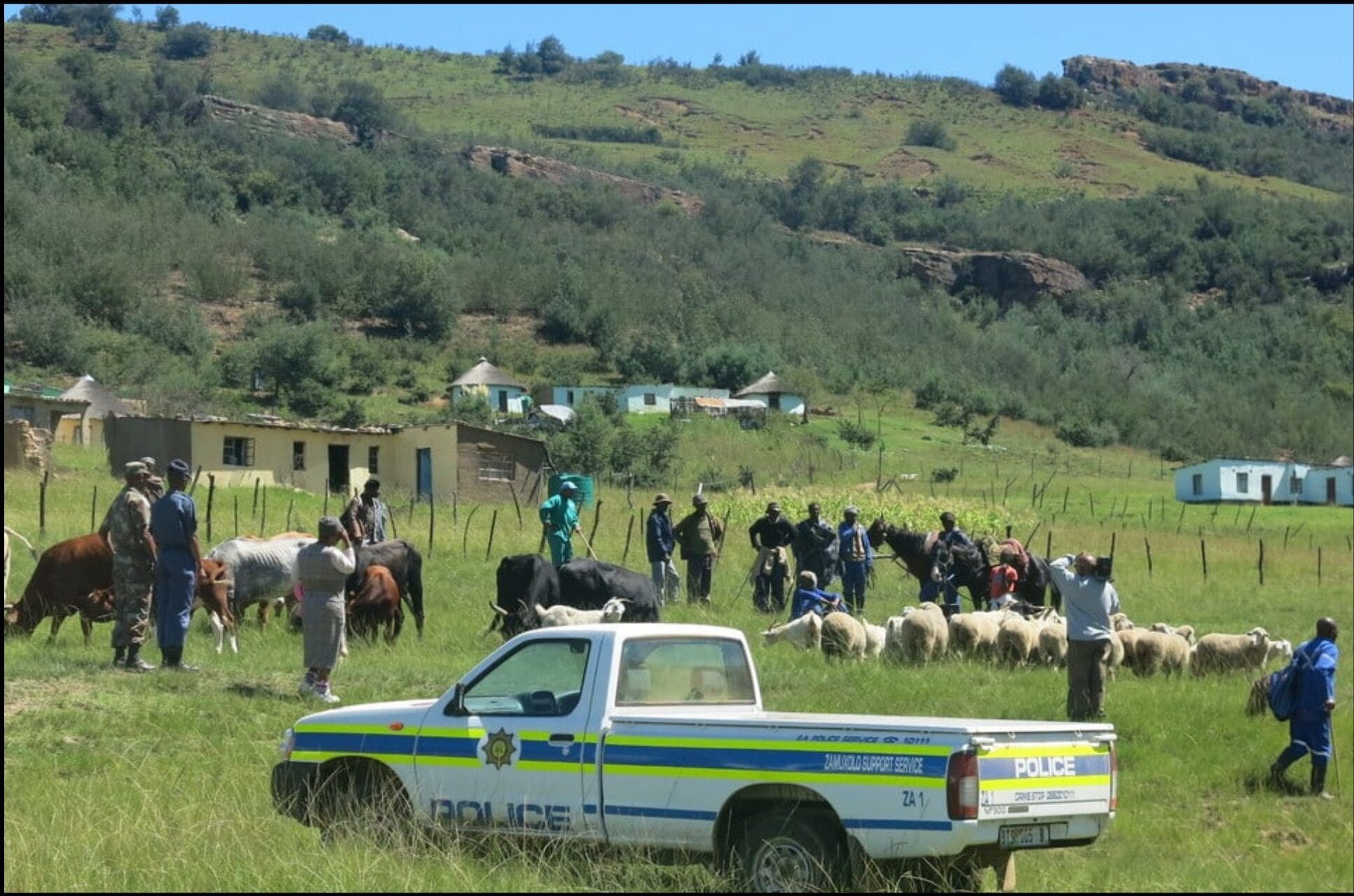
The latest South African Police Service (SAPS) third-quarter crime statistics show that burglary and stock theft continue to affect small businesses across the country, even though reported incidents have declined. Between October and December 2025, burglary at non-residential premises fell by 12 percent, decreasing by 1,494 cases to 10,918, while stock theft dropped by 9.6 percent, falling by 670 cases to 6,295. Despite lower counts, small enterprises are still absorbing losses that cut into profits and disrupt operations.
Businesses reeling from cost of security and repairs
In Johannesburg, the owner of Riley Mechanical Repairs, Andrew Riley, said his workshop lost specialised tools during a break in last month.
“We lost three days of production and had to pay for repairs and new tools while waiting for insurance,” he said.
In Durban, the manager of Ocean Fresh Grocery, Sarah Khumalo, described how burglars entered after hours and stole stock worth thousands of rand.
“Once the doors were forced open, we had to close for a day to fix the entrance and restock. It cost us more than what was stolen,” she said.
Just outside Pietermaritzburg, livestock farmer Sihle Mkhize said stock theft remains a major concern for agricultural businesses. He pointed to recent national data showing widespread livestock losses.
Farmers feeling the pinch
According to Statistics South Africa’s Governance, Public Safety and Justice Survey 2024/25, more than 61,000 goats were stolen in that year, followed by 37,947 cattle and 36,486 poultry.
Agricultural economist Wandile Sihlobo, Chief Economist at the Agricultural Business Chamber of South Africa (Agbiz), in his Agricultural Economics Today newsletter published in August 2025, explained the impact of livestock theft.
“The theft incidents present enormous costs to farmers and agribusinesses. In fact, if one talks to any commercial farmer, they would learn that over time, there is significant spending on security.”
His comments reflect the reality that livestock crime adds to both financial losses and the cost of protective measures.
Property crime remains pressing concern
Business organisations say property crime remains a pressing concern for entrepreneurs.
A study commissioned by the Presidency Office found that crime imposes both direct and indirect costs on small firms, including lost trade, security spending, and reduced investment. These impacts are felt most strongly among small enterprises without large cash reserves.
Private security providers report a rise in demand from SMEs for CCTV cameras, monitored alarm systems, and security patrol services. While such measures can help deter crime, they also divert funds away from hiring, equipment upgrades, or business expansion.
Even as official crime statistics show a decline in some categories, the human and economic cost of burglary and stock theft remains steep. Each incident disrupts work, affects employees, and forces business owners to make tough financial decisions in pursuit of sustainability.