










































Excitement over the African Development Bank’s (AfDB) Microgreen funding programme has been overshadowed by frustration among small businesses in KaMhlushwa in Mpumalanga, where entrepreneurs say the application process was introduced too close to the 29 May deadline.
The concerns surfaced during a Microgreen workshop hosted at KaMhlushwa Community Hall in partnership with Nkomazi Local Municipality, where local entrepreneurs were guided through the application process for the green entrepreneurship grant.
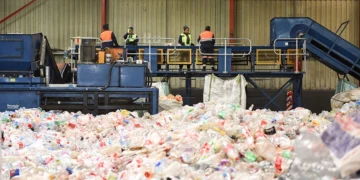
The AfDB Microgreen initiative is aimed at supporting small, medium and micro enterprises (SMMEs) involved in environmentally sustainable businesses, including agriculture, recycling, renewable energy and green innovation.
While many entrepreneurs welcomed the opportunity, several attendees said the short turnaround time between the workshop and the application deadline could disadvantage township and rural businesses already struggling with compliance requirements.
Sipho Mabuza, a local entrepreneur who attended the session, said many township businesses still operate informally and often need additional support to organise company registration documents, tax compliance certificates and business plans.
“You can’t expect a small business owner from a rural area to produce all the paperwork within a few days, suddenly. Some people still need help understanding the requirements themselves,” Mabuza said.
Another attendee, Thandeka Nkosi, said development programmes often fail to account for the realities facing rural entrepreneurs.
“The opportunities are good, especially for youth-owned businesses, but communication normally reaches communities late. By the time people understand the process, deadlines are already close. A lot of young people here have business ideas in farming, recycling and food processing, but access to funding remains difficult because of administration and compliance issues,” Nkosi said.
The workshop forms part of broader efforts to promote inclusive green entrepreneurship while tackling unemployment and poverty in communities such as KaMhlushwa and the wider Nkomazi region.
Nkomazi Local Municipality has increasingly focused on entrepreneurship development as part of its local economic growth strategy, particularly as unemployment continues to affect young people across Mpumalanga.
Wandile Dlamini, owner of Gugulethu Star Wooding, said funding initiatives targeting green businesses could create opportunities for rural economies if implementation challenges are addressed.
“There is growing interest in the green economy because sectors such as waste recycling, sustainable agriculture and renewable energy can create local jobs,” Dlamini said.
“However, access remains a major issue. Rural entrepreneurs often lack the administrative capacity, internet access and technical support needed to complete funding applications competitively.”
Despite the concerns, attendees said the workshop was still valuable because it introduced many entrepreneurs to opportunities they were previously unaware of.
Some businesses are now racing against time to finalise applications before the closing date.