









































Limpopo is positioning tourism infrastructure as part of a broader economic development strategy aimed at attracting investors, creating jobs and improving the competitiveness of provincial recreational parks.
Limpopo MEC for Economic Development, Environment and Tourism (Ledet), Tshitereke Matibe announced that the government is moving to reposition provincial reserves into sustainable economic assets capable of attracting investment and growing the tourism economy during the 2026/27 budget vote.
“We are finalising a commercialisation strategy for our reserves to attract private sector investment into hospitality and tourism operations while ensuring that these facilities contribute meaningfully to local economic growth and job creation,” said Matibe.
The strategy reflects a broader push by government to place tourism infrastructure at the centre of provincial economic development. Officials believe upgraded facilities, stronger tourism routes and easier access to attractions could improve the competitiveness of Limpopo’s recreational parks and unlock new opportunities in rural areas.
Providing more detail on the department’s plans, Limpopo deputy director-general for environment and tourism Keleabetswe Tlouane said the commercialisation strategy was close to completion and would soon move through internal government approval channels before being submitted to the Executive Council for implementation.
“For the commercialisation programme for the department, we are finalising the commercialisation strategy which we will table through the economic cluster, both the technical one chaired by the HOD and the political cluster chaired by the MEC, and subsequently directly to the Executive Council for approval for implementation,” said Tlouane.
According to Tlouane, the plan includes several public-private partnership models designed to attract investment into provincial reserves.
One option is an investor concession, under which private companies would be allowed to develop tourism facilities such as lodges within reserves, depending on the tourism offering and environmental suitability of each site.
A second model would focus on activity-based concessions, linked to tourism experiences such as hiking trails, game drives and related visitor activities.
She said the department was also considering activity-based concessions linked to tourism experiences within reserves, including hiking trails and game-drive operations.
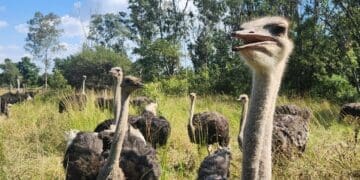
Another model under consideration focuses on biodiversity and wildlife economy opportunities.
“The last option that we have is what we call the Biodiversity Management Agreement because we are a province that is rich in wildlife,” she said.
“Some investors may be interested in entering into Biodiversity Management Agreements where they focus on the wildlife economy either through bioprospecting or developing wildlife economy hubs.”
Some of these interventions are already beginning to take shape.
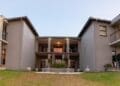
Infrastructure upgrades are currently underway at Masebe Nature Reserve, where government aims to improve facilities and strengthen the reserve’s attractiveness to investors and tourism operators.
The Board Chairperson of Limpopo Tourism Agency, Andrew Dipela, said the province remained committed to strengthening its tourism profile.
“We remain committed to promoting Limpopo as a top-tier travel destination that offers not only breathtaking natural beauty and rich cultural heritage, but also a safe and secure environment for all,” said Dipela.