










































Broken roads, sewage spills, water shortages and failing electricity systems are no longer isolated municipal problems – they have become a growing threat to small business survival across the country.
With only 34 of the country’s 257 municipalities achieving clean audits, economists and business organisations warn that local governance is increasing operating costs for small businesses already battling weak, rising inflation.
According to Auditor-General Tsakani Maluleke’s 2022/23 local government audit outcomes report, only 34 out of the country’s 257 municipalities received clean audits, down from 38 the previous year.
The report also found widespread weaknesses in procurement controls, contract management and service delivery reporting.
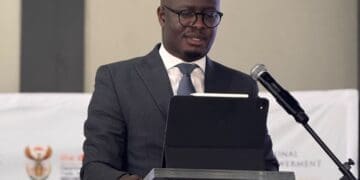
“Most municipalities continue to struggle with transparency, compliance and effective service delivery,” Maluleke told Parliament. The National Treasury has since warned that governance failures are worsening.
This week, the Treasury report revealed that irregular, fruitless and wasteful expenditure across municipalities rose from R264.10 billion in 2023/24 to R268.13 billion in the 2024/25 financial year.
The South African Local Government Association said municipalities face mounting pressure from ageing infrastructure, financial instability and growing service delivery demands.
Business chambers and economists warn that continued municipal decline could weaken township economies, discourage investment and contribute to further job losses.
Small businesses paying the price
For many small, medium and micro enterprises (SMMEs), collapsing municipal infrastructure is now directly affecting profitability and sustainability.
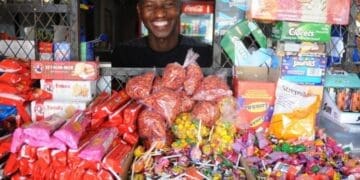
Across townships and urban centres, salon owners, restaurants, spaza shops and informal traders say they are forced to spend more. Money is spent on generators, water tanks, backup batteries and private refuse removal services to compensate for unreliable municipal services.
Lerato Mokoena, owner of Lira Beauty in Soweto, said unexpected electricity failures are disrupting daily operations.
“We lose power even when there is no load shedding scheduled. Clients leave because we cannot use equipment properly, and fuel for generators is expensive,” she said.
Restaurant owner Sipho Dlamini in Hammanskraal said ongoing water shortages and sewage leaks have also affected customer confidence.
“Sometimes the smell from sewage spills keeps people away completely. We also spend money buying water just to continue operating,” he said.
For many entrepreneurs, survival has now replaced growth.
“As business owners, we expect challenges,” said Mokoena. “But we should not have to replace services that municipalities are supposed to provide.”
Climate change adding more pressure
Climate-related disasters are also exposing weaknesses in municipalities already struggling with ageing infrastructure and financial instability.
In Vhembe and surrounding parts of Limpopo, recent floods damaged roads, disrupted transport routes and forced some businesses to temporarily close.
As a result, businesses have started hiring additional workers to manually carry stock and goods across damaged roads.
Local entrepreneur Mpho Ramabulana, who supplies groceries to rural communities, said transport costs have increased.
“Some trucks cannot pass through certain roads anymore because they were badly damaged after the floods,” he said.
“We now have to hire people to carry goods from one side to another so deliveries can continue. That increases costs and delays deliveries into communities.”
Damaged roads and drainage systems remain unrepaired weeks after the floods, affecting customer access and deliveries.
Climate governance researcher Thandi Maseko said extreme weather events linked to climate change are placing additional strain on failing municipalities.
“Floods and storms are becoming more frequent and more destructive, but many municipalities lack the financial and operational capacity to respond effectively,” she said.
“When infrastructure repairs are delayed, small businesses carry the economic burden.”