



























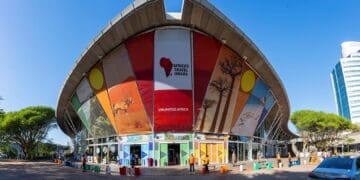








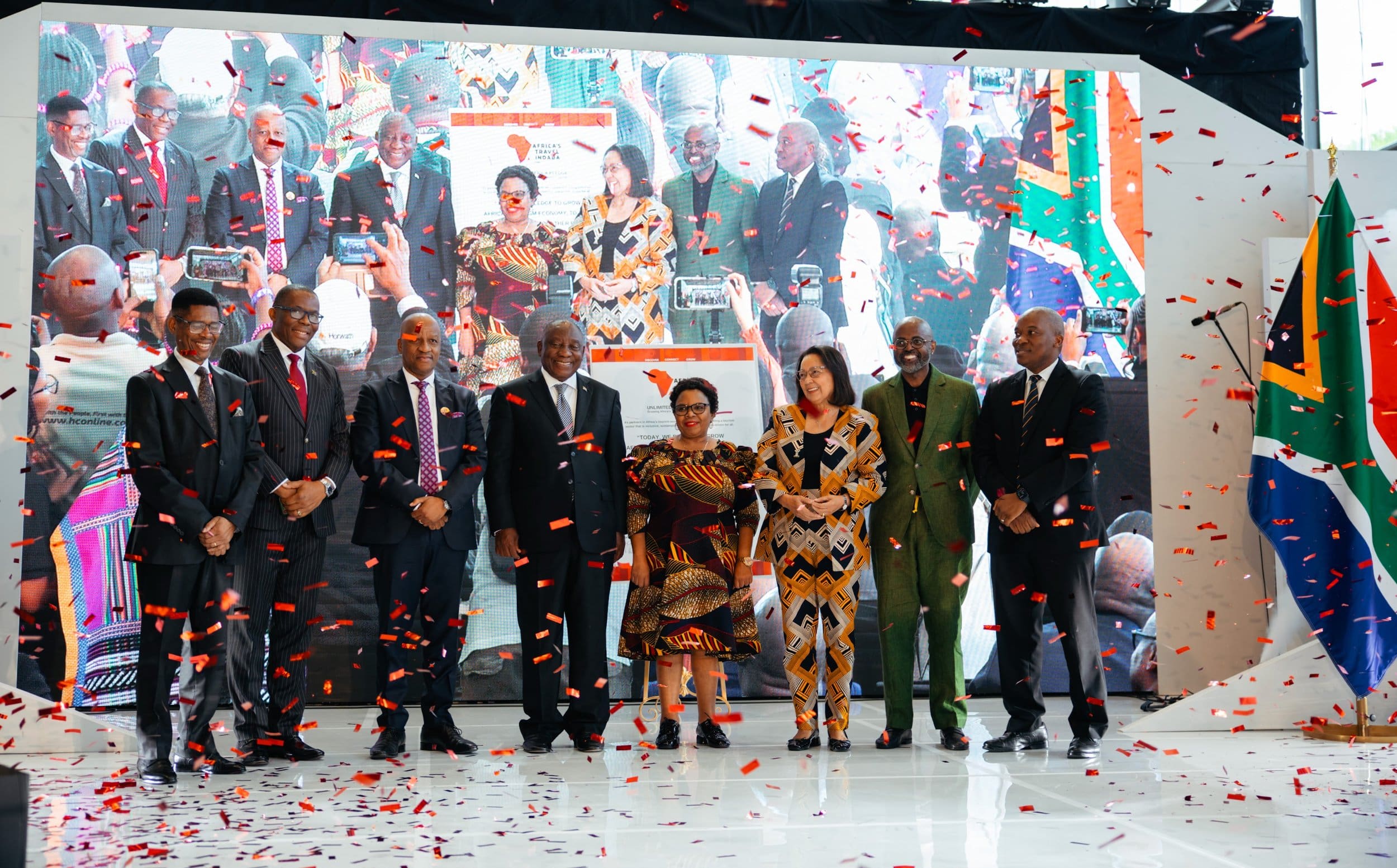
Durban’s International Convention Centre may be packed with tourism buyers, airlines, and global operators this week, but for many small tourism businesses, simply getting into those rooms remains one of the industry’s biggest financial barriers.
As Africa’s Travel Indaba returns under the theme Unlimited Africa: Growing Africa’s Tourism Economy, emerging operators say the high cost of visibility continues to shut smaller players out of opportunities that could fundamentally change their growth trajectory.
Addressing the opening session on Tuesday, President Cyril Ramaphosa reinforced the sector’s importance.
“Tourism must be seen for what it is: a major economic driver that contributes billions to many African economies. Our presence here today underscores one undeniable fact tourism policy is economic policy,” Ramaphosa said.
The high price of visibility
The President’s remarks come at a time when tourism has cemented itself as a titan of the South African economy. Following a landmark 2025 that saw 10.5 million international arrivals, the sector now contributes a massive 9% to the national GDP. In the first three months of 2026 alone, nearly 3 million visitors have already entered the country.
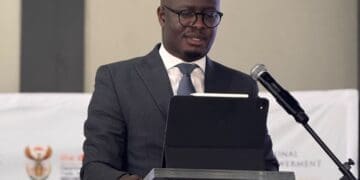
However, industry participants warn that this 9% success is unevenly distributed. Minister of Tourism, Patricia de Lille, acknowledged the reliance on smaller players during a briefing on the opening day of the event.
“Tourism is one of the few industries that directly supports job creation and uplifts communities across accommodation, transport, SMMEs, and cultural enterprises. It must be fully integrated into our broader economic growth strategies,” De Lille said.
Despite this, Loyiso Mfuku, founder of Khayelitsha Travel & Tours, says the financial burden of networking platforms often leads to exclusion.
“Small enterprises often face challenges in accessing platforms such as tourism trade fairs due to prohibitively high costs,” Mfuku said.
Beyond the exhibition stand
The financial strain extends far beyond the rental of a floor stall. For an SME based in a township or a rural province, the cumulative cost of staff accommodation in Durban during peak Indaba season, professional marketing materials, and logistics can drain months of operational cash flow.
While the Domestic Market Access Support Programme assists some micro-enterprises, entrepreneurs say the demand for help is far outstripping the supply. Gopolang Makgotho, CEO of Corrystroo3 Holdings, emphasised that the stakes are incredibly high.
“Market reach, customer growth, and brand credibility are all enhanced through participation in these platforms,” Makgotho said. “For a small business, being at the Indaba is the difference between staying a local secret and becoming a global player, but the support to get here must arrive before our cash flow is exhausted.”
Bridging the skills and culture gap
Participation is about more than just sales,it is a critical learning ground for the 1.8 million people now employed by the industry. Tour operator Sanele Mvuyane highlighted that being in these international spaces allows SMEs to evolve their products.
“I have learnt to interact with different cultures and beliefs, that opens me more to build packages that suit every country’s culture,” Mvuyane explained.
However, for this evolution to happen at scale, the industry consensus is shifting. Mfuku argues that the sector must move beyond handouts or one-off exhibition passes. The future of a genuinely Unlimited Africa may depend on whether government and industry bodies can shift toward long-term mentorship and aggressive enterprise development that ensures SMEs aren’t just in the room, but are ready to close the deal.