












































Rising global conflict and fuel price pressures are again putting pressure on South Africa’s economy, but the government says its finances remain stable and key targets are still on track for both the state and the wider business environment.
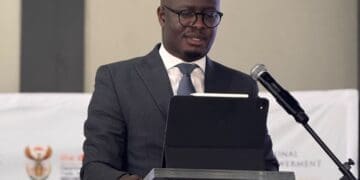
National Treasury Director-General Dr Duncan Pieterse told investors at a Citi Emerging Markets conference that South Africa has managed to stay financially disciplined despite global shocks, including tensions in the Middle East.
He said the government will continue focusing on meeting its fiscal targets “through the cycle”, even during difficult global conditions.
Stronger revenue supports government finances
Treasury says South Africa has recorded a third straight primary budget surplus of 1.1% of GDP for the financial year ending March. This is higher than the 0.9% target set in the 2026 Budget.
A primary surplus means government is collecting more money than it spends on day-to-day operations, before paying interest on debt.
Pieterse said the better result came from stronger tax collection and lower spending than expected, including lower debt costs.
The main budget deficit also improved, narrowing to 4.3% of GDP instead of the expected 4.6%.
Treasury says this shows government is improving how it manages spending and collects revenue.
Fuel relief and debt outlook remain stable
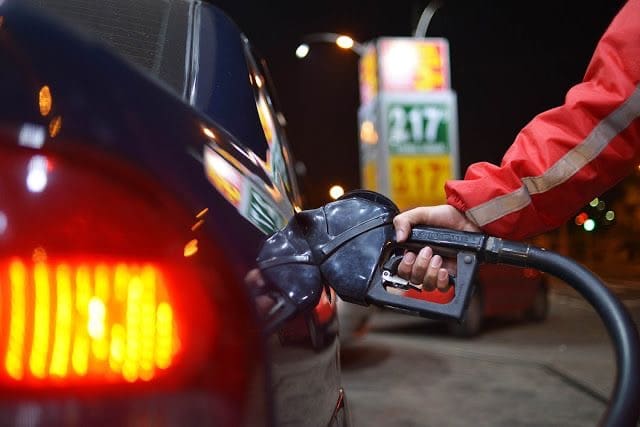
The government has introduced temporary fuel price relief worth R17.2 billion due to rising global fuel costs linked to the Middle East conflict.
Pieterse said this relief will be paid for using money saved in the previous financial year, meaning it will not increase government debt.
He added that South Africa’s debt has now stabilised and is expected to start declining over the medium term. Debt is expected to reach its highest point this financial year before easing.
Credit rating agencies have also kept a positive view on South Africa’s outlook.
Moody’s has improved its outlook to positive, while S&P Global Ratings has also maintained a positive position after upgrading the country earlier.
Pieterse said both agencies expect South Africa’s debt situation to improve if reforms continue.
State companies show signs of recovery
Treasury said key state-owned companies are showing improvement, especially Eskom.
Eskom is expected to report its second year of profit after many years of losses.
South Africa has now gone more than 365 days without load shedding, which is a major milestone for the power system.
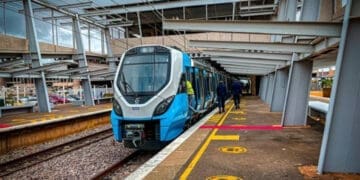
Transnet is still under pressure, but freight volumes are improving and private companies are starting to play a bigger role in rail and ports.
Pieterse said stronger state companies reduce the risk of government needing to bail them out in future.
He added that reforms in energy and transport are starting to show results, including more electricity projects and private sector participation.
Growth outlook and infrastructure spending improving
South Africa’s economic outlook is improving slowly, helped by early investment recovery and government reforms.
The economy grew faster in 2025, and investment has now grown for two straight quarters after a long period of decline.
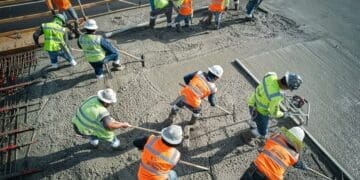
Government also plans to increase infrastructure spending by nearly 10% per year over the next few years.
Projects include rail upgrades, freight corridor improvements, and better municipal infrastructure.
Treasury also raised R11.8 billion through its first infrastructure bond in 2025 to support these projects.
Despite global uncertainty and rising geopolitical risks, Treasury says South Africa remains on track to meet its fiscal targets.
Pieterse said government is focused on keeping debt stable, supporting growth, and improving economic confidence.
“We are not yet where we want to be, but we are on track to get there,” he said.