

































Agriculture in Limpopo is increasingly being shaped by platforms that go beyond exhibition halls, with the Agri5 Expo emerging as a continuous space for learning, market access and rural business development among farmers and agro-processors.
For many small-scale farmers and emerging agripreneurs, the value of the expo is not only in the two-day gathering, but in the long-term opportunities it creates through networking, exposure to innovation and access to institutional support.
Government leaders say this shift reflects a broader push to reposition agriculture as a driver of economic inclusion, industrial development and youth employment.
Limpopo MEC for Agriculture and Rural Development Nakedi Kekana said agriculture must move beyond subsistence and become a foundation for economic transformation, particularly for young people entering the sector.
“Our youth cannot control their economic destiny until they control the very soil beneath their feet,” Kekana said, linking agricultural participation to long-term economic empowerment.
She added that agriculture should be understood as a value-chain sector that connects production, agro-processing and markets, rather than isolated farming activities.
The broader vision promoted by government is reflected in how farmers themselves are using agricultural events to strengthen their businesses over time.
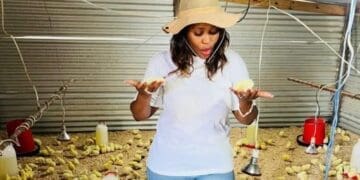
For small-scale farmers such as Suzan Machete, founder of Mmadipeu Poultry and Vegetable Farm in Mokwakwaila village, agricultural expos have become part of ongoing business development rather than one-off events.
Machete said she started farming at the age of 21 and has consistently used expos to learn, network and understand emerging opportunities in the sector.
“As a small farmer, attending these events helps you understand what other farmers are doing and allows you to network with different people,” she said.
She added that exposure to other producers often challenges assumptions about agriculture and opens new ideas around value addition, indigenous knowledge and alternative products.
Machete said one of the key benefits is learning from other exhibitors and discovering unexpected agricultural uses, including medicinal applications linked to indigenous plants.
These interactions, she said, help small farmers improve both production methods and business thinking.
Agro-processing and rural enterprise growth
The lessons and connections gained through platforms such as Agri5 are also contributing to the growth of rural enterprises that extend beyond primary production.
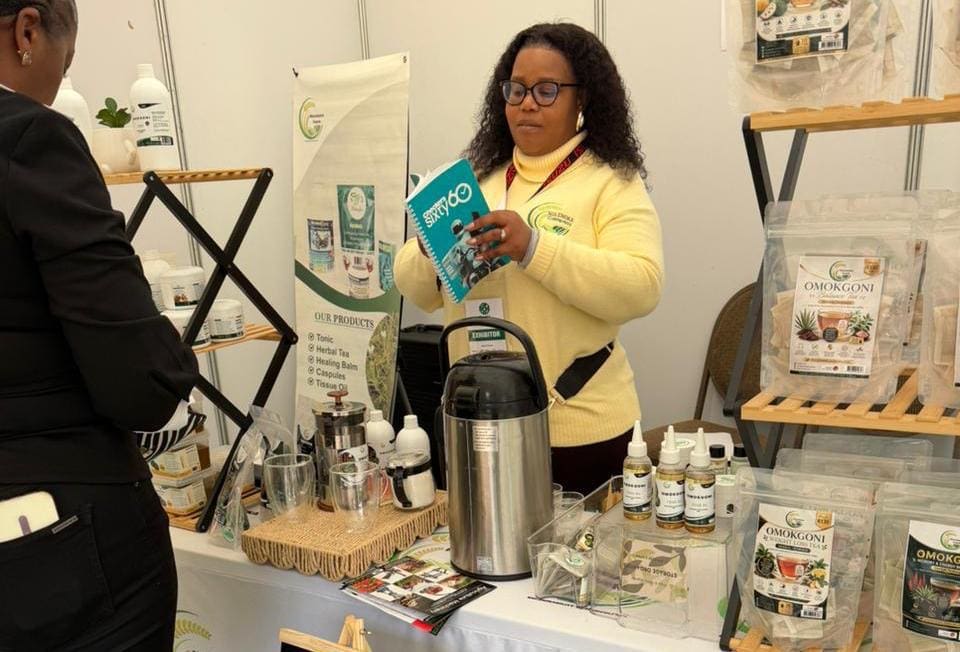
Nolengka Farm in Limpopo, founded by Kanego Sandra Thamane, which integrates livestock farming, crop production and agro-processing of indigenous medicinal plants such as Aloe ferox and Mansonia augustifolia.
The business produces herbal teas, juices and organic wellness products while also creating employment and training opportunities for local communities.
Thamane said the farm is rooted in indigenous knowledge and sustainability, with a focus on empowering women and young people through agriculture-linked skills development.
The farm also participates in government-supported programmes and partnerships that promote enterprise development and rural industrial participation.
Agriculture as a long-term development pipeline
As more farmers and agro-processors expand their activities, stakeholders say platforms like Agri5 are increasingly serving as entry points into wider agricultural development systems that include funding awareness, skills development and market access.
Greater Tzaneen Mayor Odas Ngobeni said the region continues to play a major role in South Africa’s agricultural output, particularly in avocados, bananas and citrus fruit production for export markets.
He said the sector’s strength is driven by fertile land, favourable climate and committed farmers, but stressed that sustained growth depends on innovation and investment in emerging producers.
MEC Kekana encouraged expanding the Agri5 platform across all districts in Limpopo, saying it should function as a continuous development mechanism rather than a once-off exhibition.
Agriculture is no longer only about production it is about connection, innovation and building long-term rural economies.