




































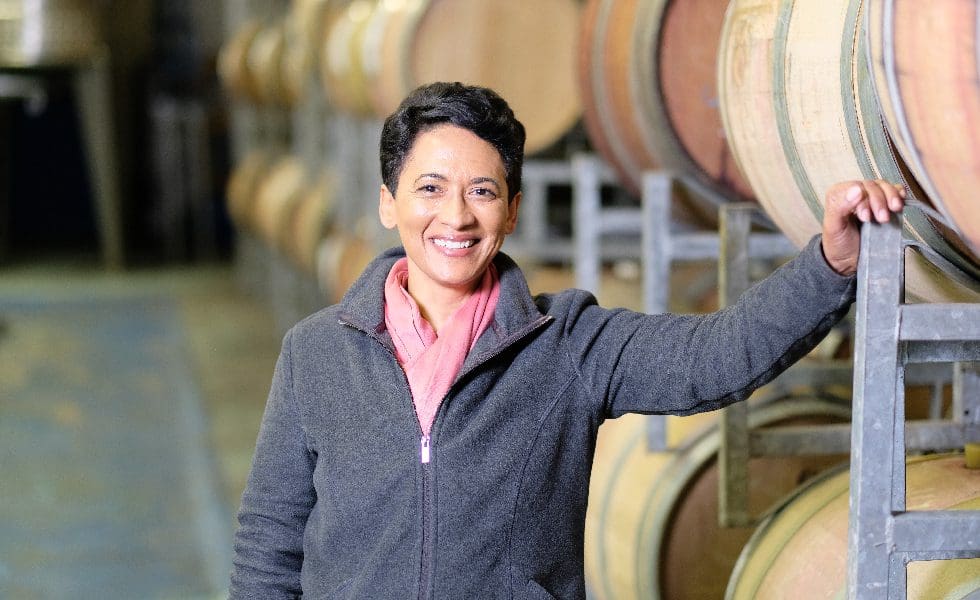
Long before Carmen Stevens built an internationally recognised wine brand, she was just a young girl from the Cape Flats with her nose often buried in a Mills & Boon romance novel.
She was not reading them for pleasure, her mother encouraged her to read the novels to improve her English.
The stories transported her to rolling vineyards, sprawling wine estates and a world that felt a million miles away from the working-class neighbourhood where she grew up. She had never tasted wine, let alone visited a wine farm, but those novels sparked a dream that refused to fade.

“I’ve always known I would be a winemaker. But truth be told, as a young girl living on the Cape Flats, I had very limited knowledge of how to make my dreams a reality,” Stevens recalled.
That dream seemed almost impossible. During apartheid, the South African wine industry was overwhelmingly white and male, and there were few opportunities for Black South Africans to enter the profession. Yet Stevens refused to let her circumstances define her future.
Today, she is the founder of Carmen Stevens Wines, an internationally recognised and multiple award-winning brand whose wines are enjoyed in markets including the United Kingdom and the United States.
One of their brands, Carmen Stevens Merlot 2023, was named among the Hallo Merlot Top 10 Merlots in South Africa for 2026. This made the brand the third consecutive vintage to earn a place among South Africa’s Top 10 Merlots.
A dream that survived rejection
Stevens’ path into winemaking was anything but smooth. She applied several times to study at Elsenburg Agricultural College before finally being accepted. When she eventually entered the programme, she was one of only five women in a class of around 100 students.
To finance her dream, Stevens worked in a factory in Elsies River, sold shoes at Cape Town Station on weekends and even sold sweets. She knew education would be her passport to a different future.
The discrimination almost broke her. During her second year, Stevens said the environment became so difficult that her mother urged her to leave and return home. Instead, she persevered, becoming South Africa’s first Black-qualified winemaker in 1995.
South Africa’s wine industry contributes about R55 billion to the economy every year and supports approximately 269,000 jobs. Yet when Stevens entered the sector, very few Black South Africans, even fewer women, held leadership positions.
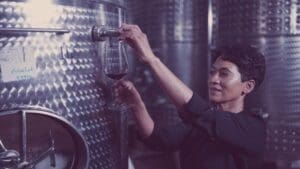
After more than a decade working for established wineries, Stevens had built an impressive career. But she still had not leapt into entrepreneurship.
That changed during a meeting with a buyer from the United Kingdom, who challenged her to stop making wine for other brands and create one of her own.
“I had a buyer from the UK who asked me why I didn’t have my own label. I told him I couldn’t afford it. He said, ‘If you make the wine, I’ll buy it.’ That was the push I needed,” Stevens recalled.
The conversation became the turning point in her entrepreneurial journey.
Building a brand, not just making wine
Stevens launched Carmen Stevens Wines in 2011.
Today, the business is recognised as South Africa’s first 100% Black-owned and woman-owned winery, an entrepreneurial success and the transformation of an industry that once excluded people who looked like her.
She believes that producing excellent wine is only part of the business, the real challenge is convincing customers to come back.
“The difficult part of winemaking is selling this product, getting it to somebody’s table and somebody coming back and saying, ‘I want more.’”
Her philosophy has always been that quality must speak louder than her personal story.
“No one will buy a second bottle simply because the winemaker is Black.”
That belief has shaped every bottle carrying her name. Stevens wants her customers to buy her wines because they are among the best South Africa has to offer.
A legacy beyond the vineyard
Success has also allowed Stevens to give back. Through the Carmen Stevens Foundation, she has helped provide millions of meals to schoolchildren, proving that entrepreneurship can create both economic opportunity and meaningful social impact.
Looking back on her journey, Stevens believes success belongs to those who prepare for opportunity.
“Opportunity comes to all of us. I also think we do not see opportunity for what it is. When I was presented with the opportunity, I was ready because I had the knowledge and work experience to back it.”