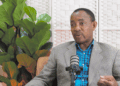








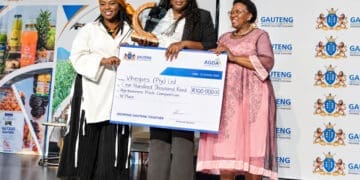

































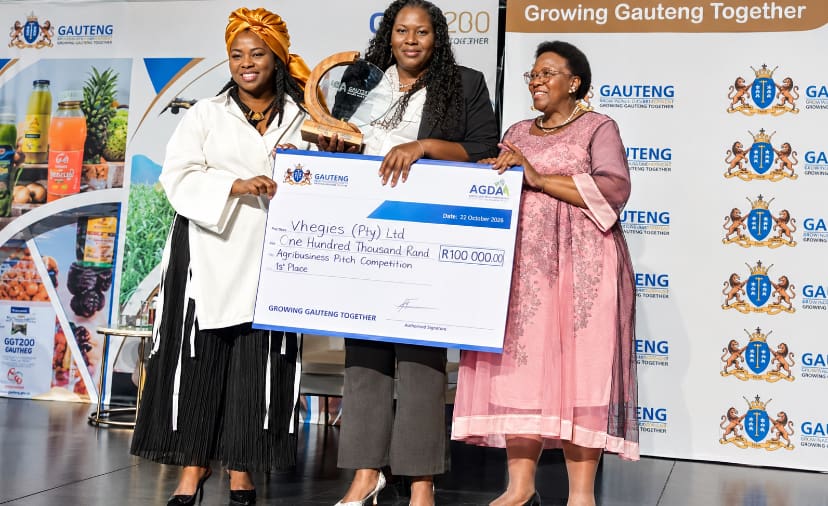
Sophy Litshani Musabeni who recently won the Agricultural Development Agency’s (AGDA) 2026 Agricultural Business Pitch Competition plans to access international markets through her company Vhegies (Pty) Ltd.
The award comprised R100,000 in cash and website development support valued at R35,000.
“Receiving the R135,000 award from the Agricultural Development Agency (AGDA) means a great deal to me and Vhegies (Pty) Ltd,” Musabeni said.
She described it as recognition of the company’s “hard work, resilience, and commitment to transforming agriculture, creating jobs, and contributing to food security in South Africa.”
She outlined annual revenue of approximately R5 million and a target of R10 million as the business expands. She also reported employing 30 permanent workers and about 100 seasonal workers.
Her journey into commercial agriculture began long before Vhegies supplied major South African retailers.
Growing up in Limpopo, she planted spinach in her family’s backyard and sold it to neighbours. By Grade 11, she was supplying a nearby mine.
Musabeni later studied nursing and worked in healthcare, but farming remained an ambition. She eventually left nursing to focus on building her agricultural enterprise.
Turning an ambition into a business
Musabeni began pursuing her farming ambitions in 2017, researching agricultural practices and seeking access to land and finance. According to Vhegies’ company history, the business obtained a 14-hectare plot in Mapleton, near Vosloorus, in 2020.
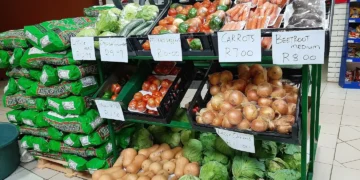
She started with vegetables such as spinach before expanding into green beans, butternut, cabbage, broccoli and other produce.
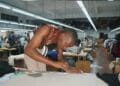
Vhegies has since developed beyond growing crops, with operations involving the processing and packing of vegetables to meet customer requirements. Its produce reaches major retail distribution networks, while growing operations in Limpopo help the business manage seasonal conditions that can affect production in Gauteng.
Planning for expansion
Vhegies’ next phase involves developing approximately 50 hectares of additional land in MidVaal, with plans for vegetable production and packing facilities. Musabeni estimates that developing the property, installing infrastructure and acquiring a refrigerated truck would require about R5 million.
She said the award support would help strengthen production and purchase essential farming inputs to meet demand for fresh and processed vegetables.
“This support will help us address operational challenges, improve efficiency, reduce post-harvest losses, and expand our market opportunities,” she said.
The company is also pursuing opportunities to supply markets in Germany, including a potential market for baby marrows.
Expanding into export markets requires consistent production, quality controls and compliance with buyers’ food-safety and certification requirements.
Beyond commercial growth, Musabeni wants the business to create wider opportunities.
“I want Vhegies to continue creating employment opportunities, empowering women and young people, and sharing agricultural knowledge with emerging farmers and high-school learners,” she said.