




















































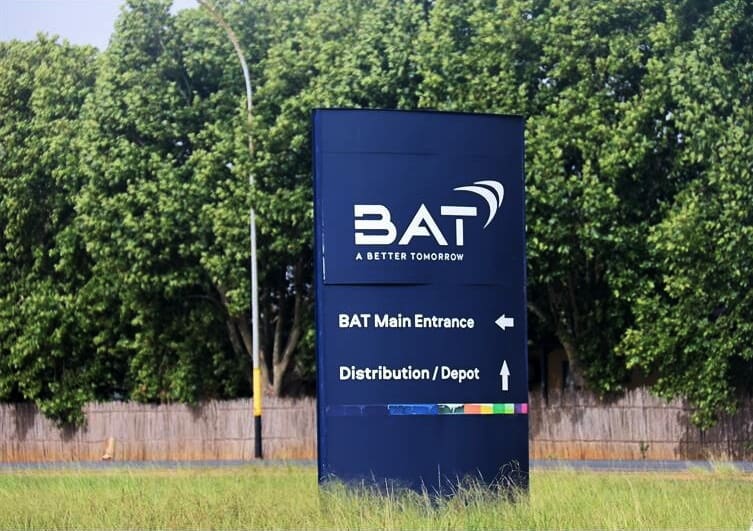
The planned closure of British American Tobacco South Africa’s (BATSA) Heidelberg manufacturing facility by the end of 2026 has raised concerns about the future of suppliers, contractors and service providers linked to the factory, as Lesedi Municipality faces the prospect of losing a major economic contributor.
BATSA announced in January that it would end local cigarette manufacturing and switch to an import-based supply model. The company has attributed the decision to declining legal cigarette sales and the growth of the illicit tobacco market.
“With approximately 75% of the South African cigarette market now estimated to be illicit, continued local manufacturing has become unviable,” said Johnny Moloto, BAT’s head of corporate and regulatory affairs for sub-Saharan Africa, when the closure was announced.
The Heidelberg facility has operated since 1975. BATSA said it is running at 35% of its production capacity and that approximately 230 employees could be affected by the closure.
However, the impact extends beyond the factory workforce. BATSA has acknowledged that suppliers, logistics providers and contractors in the broader Lesedi community depend on the facility. The company has not publicly quantified how many businesses could be affected or the value of contracts linked to its operations.
Municipality reports declining revenue
Lesedi Municipality has already reported a decline in revenue associated with the factory as its operations have reduced.
Municipal spokesperson Katleho Seaga said in January income linked to the facility had fallen from approximately R18 million a month before the Covid-19 pandemic to between R2 million and R3 million at the time.
“The company’s decision was received with shock, particularly in view of its economic repercussions,” Seaga said.
He added that the municipality is holding further engagements with BATSA to consider mitigation measures and plans for the site after the factory’s closure.
Mayor Mluleki Nkosi has also said the municipality is engaging potential investors to help cushion the economic impact. Discussions have included the possibility of leasing the factory premises to new investors, although no completed deal has been confirmed in the available public information.
Questions remain for suppliers and contractors
The closure raises questions about future demand and whether alternative operations will take over some of the work for businesses providing services to the factory.
Publicly available information does not identify the individual suppliers or contractors affected, or confirm whether existing contracts will transfer to another operator.
BATSA reaffirmed in October that it remains on course to close the plant by the end of 2026 and move to imports to supply the South African market.
The consultation process has also been contested by labour representatives. Solidarity organiser Dana Grové said the information supplied during the initial employee consultation was insufficient.
“The information shared during the first consultation was insufficient to enable meaningful participation or informed proposals,” Grové said in a statement.
BATSA said formal consultations with affected employees and union representatives began in January. The company indicated that individual employment outcomes would be determined through that process.
The municipality’s efforts to attract new investors could offer an alternative future for the site, but the available information does not establish whether a new operator will preserve existing supplier relationships or replace the business activity generated by cigarette manufacturing.
With the planned closure approaching, the scale of the effect on local businesses will depend in part on what happens to the site, whether new investment materialises and how existing commercial arrangements are handled.