






































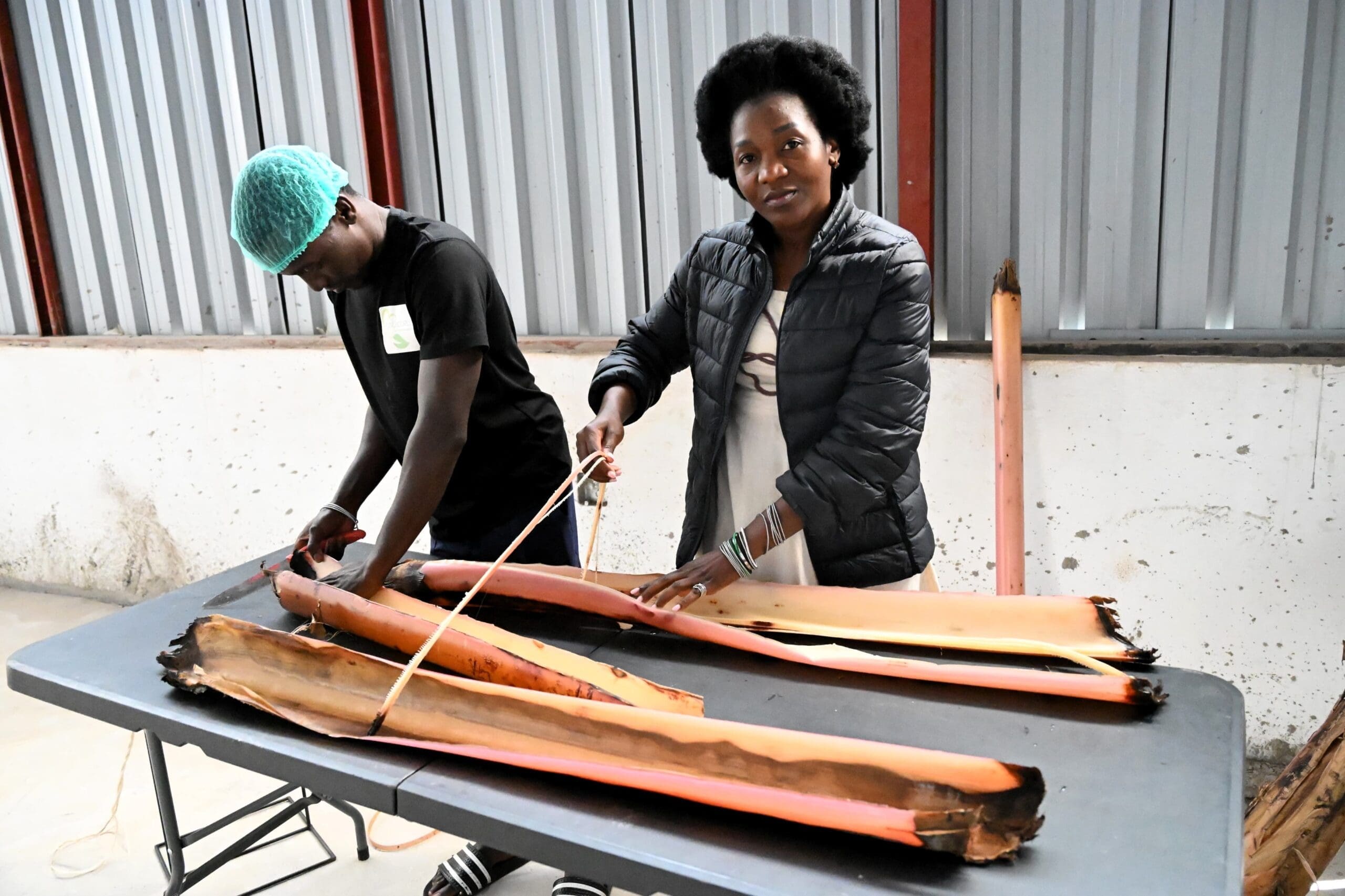
The idea of making hairpieces from banana plants started with a problem Lufuno Nemakonde knew and understood personally.
Growing up in Tshipise village near Thohoyandou, Nemakonde struggled with reactions to synthetic hair. After becoming a mother, she did not want her children to experience the same problems.
With a background in medical technology, Nemakonde began looking for a safer alternative to synthetic hair. That experience eventually led her to develop EcoCurls, a hairpiece made from fibre extracted from banana pseudostems.
“I was just looking for something better, something that I can use that will be safer for me and other people as well,” she said.
From banana plant to hairpiece
Nemakonde, the founder and managing director of Limpopo-based natural cosmetics manufacturer Funocurls Green Beauty, is now working to take EcoCurls from development to commercial production.
The idea came from Nemakonde’s familiarity with banana plants in Limpopo. After farmers harvest the fruit, the pseudostems are generally discarded. Nemakonde began exploring whether the material could be put to another use.
“I was like, you know what? I can’t just discard. I always believe that we can benefit from everything,” she said.
The stems are processed to extract the fibre, which is then further processed, softened and coloured before being turned into hairpieces.
Turning an idea into a factory
EcoCurls is not yet on the market, but Nemakonde is preparing for commercial production. The hairpiece is currently being produced manually while it undergoes development.
The product has been submitted to the South African Bureau of Standards (SABS) for independent testing and validation.
She has received funding from the Department of Trade, Industry and Competition (DTIC) through its Grassroots Innovation Facilitation Scheme, which supports the commercialisation of innovations from rural and township communities.
The funding is helping her prepare for the next stage, including the development of specialised machinery and the establishment of a processing plant at the factory space she has secured in Punda Maria-Makhuvha.
Machinery has been one of the biggest challenges because the equipment required is not readily available off the shelf.
“I had to sit down with the engineers and painstakingly explain the types of machines that will make my dream come true,” she said.
Nemakonde believes the production plant could create jobs while giving banana plants a new purpose.
“I am confident that this will become a successful production plant manufacturing environmentally friendly hairpieces from the banana plants that are abundant in our area, while creating job opportunities,” she said.
Science meets indigenous knowledge
Raised by her grandmother, she learnt about herbs and traditional remedies before later gaining scientific knowledge through her medical technology career.
“My grandmother planted the seed, and then the education allowed me to explore that seed even more,” she said.
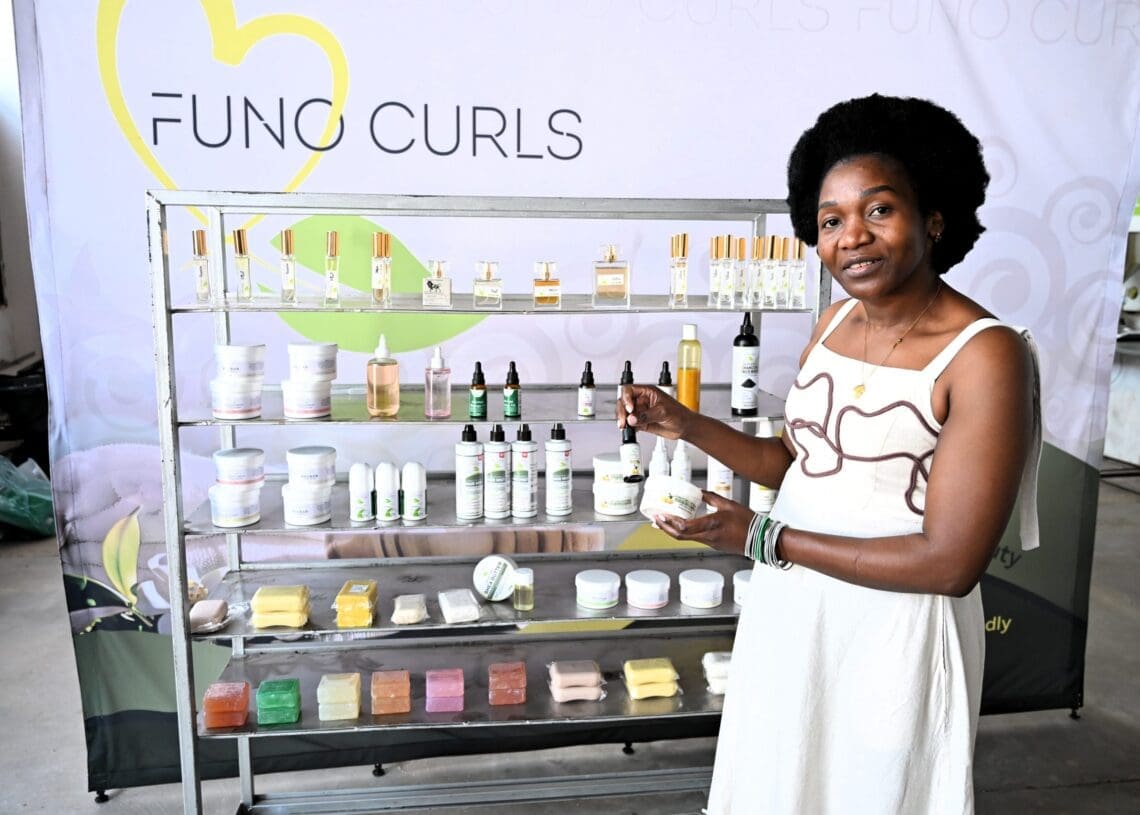
This led to Funocurls Green Beauty, which manufactures plant-based hair, skin and body-care products using ingredients including moringa, marula, baobab and Kalahari melon.
The company also provides contract and private-label manufacturing.
Bigger opportunity for rural communities
Nemakonde sees EcoCurls as more than a hairpiece.
The innovation could create opportunities across the value chain, from farmers supplying banana pseudostems to fibre processing, manufacturing, packaging, logistics and distribution.
“It shouldn’t just be about someone else making EcoCurls. There are a lot of opportunities that can be created,” she said.
She wants rural communities to participate in manufacturing rather than only consume products made elsewhere.
“I want rural communities to know that they can also be participants in innovation and manufacturing, not just consumers,” Nemakonde said.
The product is also designed to be biodegradable, addressing concerns about synthetic hair waste.
“When you’re done with it, you don’t want it anymore, you discard it into your garden, it becomes your manure,” she said.