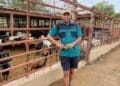







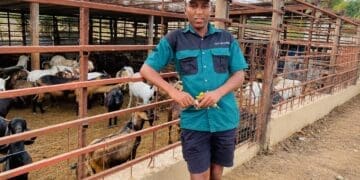

































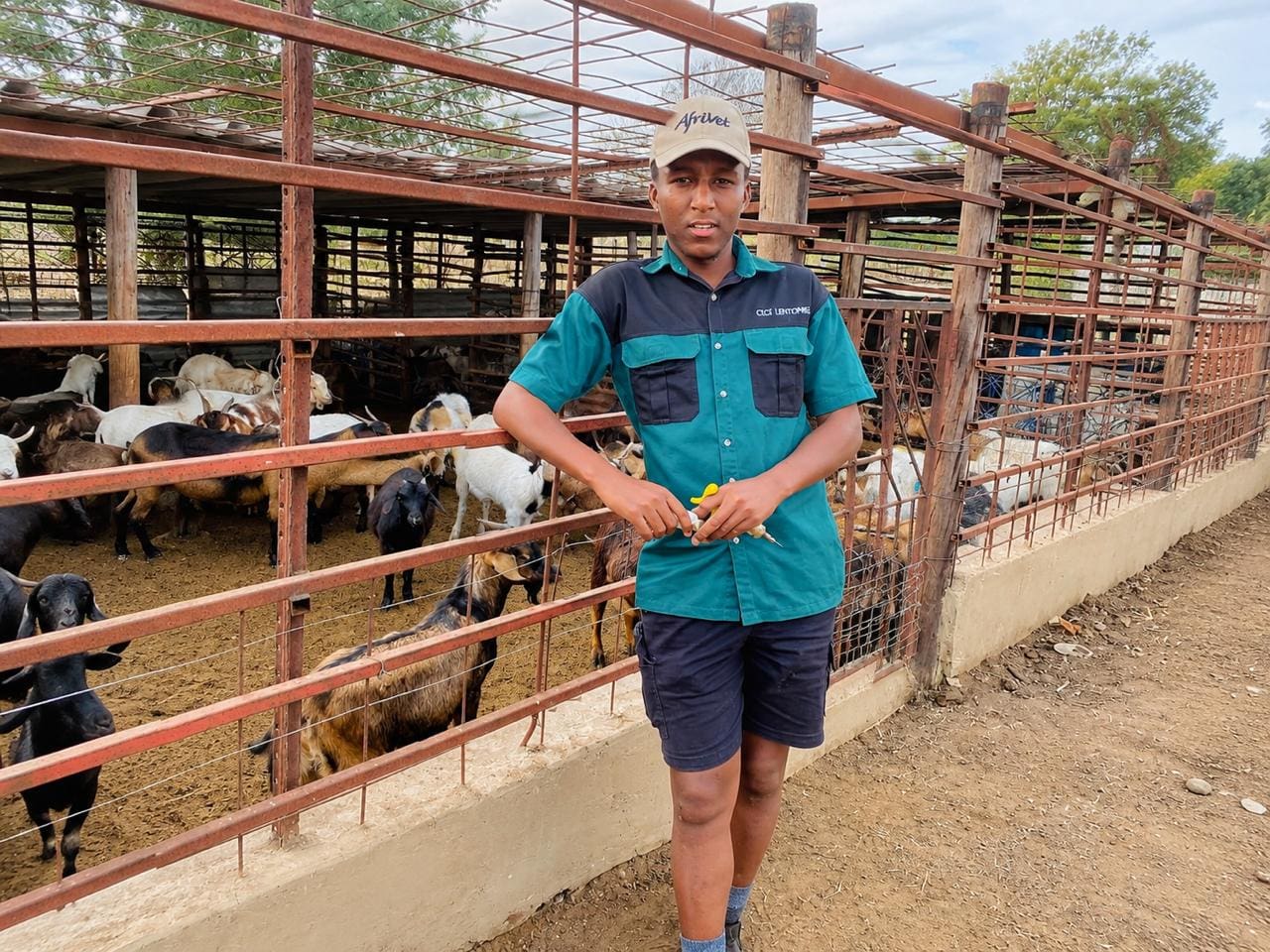
Neliswa Ntshangase, known as Cici Lentombi, has built a business around addressing the shortage of livestock health care services in rural areas, travelling to farms and kraals to provide services ranging from vaccinations and dipping to branding and feed advice.
Ntshangase holds a Diploma in Animal Science from Tshwane University of Technology (TUT), which he obtained in 2021.
Before graduating, he completed six months of practical training at Morgan Beef Feedlot. He spent another six months at Roadgrass, where he gained experience working with broilers. After graduating, he worked for Mangalamba Agricultural Group in the North West, where he was involved in breeding cattle, goats and sheep.
Drawing from his experience in animal production, Ntshangase started his own livestock-care business, Cici Livestock Multiply, in 2025. The business offers services such as vaccinations, livestock branding, pregnancy testing and advice on appropriate animal feed, among other livestock-related services.
“Instead of staying and doing nothing, I decided to use the knowledge and experience I have to gain more knowledge about livestock from other livestock farmers in different environments,” Ntshangase said.
Despite the demand for his services, Ntshangase said he faces challenges.
“One of the major challenges is that after treating the animals, I leave instructions with the people responsible for taking care of them, but sometimes they do not follow those instructions. This can affect the work I have done. I also find it difficult when working with some older farmers in rural areas who are not familiar with vaccines and new livestock production methods. Some of them are not aware of the importance of vaccinating their animals, so it can be difficult to convince them to use certain vaccines,” Ntshangase said.
Sibusiso Mavuso, one of Ntshangase’s customers, turned to him after losing livestock due to health problems. After discussing the situation, the two agreed on a price for the services, and Ntshangase provided the necessary assistance. Mavuso said he noticed a difference in his livestock after receiving the help.
“I was having a problem with my livestock dying, so I spoke to Ntshangase about it. He advised me on what I needed to do, and I followed his advice. Since then, the problem has been resolved. I also find his prices reasonable because they depend on the number of livestock that need assistance, and you can discuss the price with him,” Mavuso said.
Ntshangase has recently completed training in artificial insemination at the Agricultural Research Council (ARC) Irene campus in Pretoria. He plans to expand his services by offering artificial insemination to his customers, adding another service to his livestock-care business.
With his experience, growing customer base and plans to add artificial insemination to his services, Ntshangase hopes to continue expanding Cici Livestock Multiply and reach more farmers who need livestock-care services.
“If you want to do something, do it. Nothing will happen if you don’t start,” Ntshangase said.