












































Five Western Cape fruit producers have approached the Western Cape High Court to compel Premier Group and RFG Foods to honour their supply agreements for the 2026/27 harvest, as the planned closure of the Tulbagh cannery threatens a longstanding market for their produce.
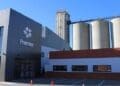
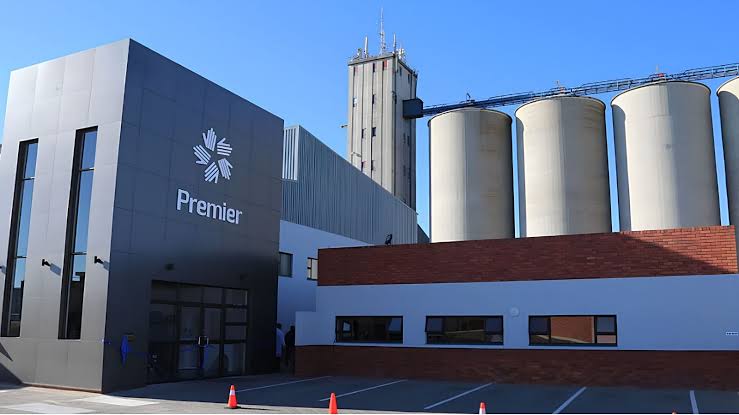
The 72-year-old Tulbagh cannery processes up to 60,000 tonnes of fruit annually and buys R300 million worth of produce from farmers. Its canned-fruit exports generate an estimated R1 billion to R1.2 billion.
The founding affidavit, dated 14 October 2026, was submitted by the producers, who grow peaches and apricots for canning in the Robertson and Montagu districts.
They want the court to order Premier and RFG Foods to receive, grade and pay for their contracted fruit while the dispute is referred to arbitration.
The application comes ahead of the November harvest, with farmers warning that losing the cannery as a buyer could leave them without a viable market for their crops.
Farmers say Premier Group is breaching supply agreements
The five producers had supply agreements originally concluded with RFG Foods. They argue that Premier assumed the contractual obligations when it acquired RFG in a transaction valued at R6.5 billion, completed at the end of March 2026.
According to the founding affidavit, Premier’s attorneys informed the producers in a letter dated 5 October that the companies no longer intended to purchase deciduous fruit for canning and would not accept further deliveries.
The farmers argue that their agreements require written notice of termination covering at least two further harvest seasons. They say Premier has not complied with those provisions.
Hendrik Bruwer Kloppers, director of Agter Die Bos Plaas, told the court that his farm had supplied the Tulbagh factory uninterrupted for 35 years. Other applicants had also supplied the facility for decades.
The producers say they have referred the contractual dispute to arbitration but want Premier to continue accepting their fruit in the meantime.
They warn that the consequences could extend beyond the farms themselves, affecting permanent and seasonal workers and rural communities dependent on the agricultural businesses.
The court papers indicate that potential losses could run into tens of millions of rand, with some farming operations facing the risk of closure. The producers also argue that alternative processing facilities cannot absorb their volumes.
Premier Group defends closure decision
Premier Group has offered Western Cape peach producers R3,250 per tonne to settle their supply agreements, provided they relinquish their contractual rights.
Charl Herbst, chair of the Canning Fruit Producers’ Association negotiations committee, described the proposal as a voluntary commercial settlement.
“Whether it is regarded as adequate or not will differ from producer to producer, and producers are currently evaluating the offer and taking advice before deciding how to respond,” Herbst said in September.
Premier has also said it is engaging with producers and parties interested in repurposing the Tulbagh facility.
In a statement responding to the Competition Commission’s separate application concerning the RFG acquisition, Premier rejected allegations that it had withheld information or misled the competition authorities.
“Premier rejects any suggestion that it acted unlawfully, withheld material information or sought to mislead the Commission or the Tribunal during the merger review process,” the company said.
Premier maintains that the decision to close the cannery followed a deterioration in its commercial outlook after the acquisition. It cited changing global demand, pressure in export markets, rising input costs and lower factory utilisation.
The Competition Commission, meanwhile, has asked the Competition Tribunal to revoke the merger approval, alleging that plans for the cannery closure were not disclosed during the merger review.
The farmers’ court application is separate from that competition proceeding.
The urgent application is to be heard on 9 November 2026, with the court yet to rule on the farmers’ request for interim relief.